Rubber Vine Care (Cryptostegia grandiflora)

Also known as: Palay rubbervine
Rubber Vine

About Rubber Vine

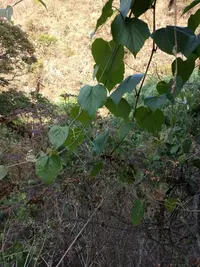
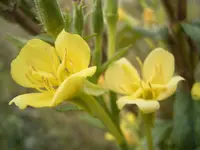
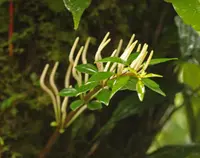
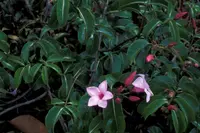
Rubber vine (Cryptostegia grandiflora) is a fast-growing woody vine known for its glossy green leaves and showy, funnel-shaped pale pink to purple flowers. It often climbs over supports or nearby plants, forming dense, tangled growth that can become invasive in warm climates.

This species is native to Madagascar but is now found in many tropical and subtropical regions, sometimes as an aggressive weed. Its rapid growth and tolerance of heat and dry periods make it hardy, but containment and regular pruning are important. Those who want to care for Rubber Vine should provide bright light, well-drained soil, and controlled watering to avoid root problems.

Main Plant Requirements

Care Difficulty

Moderate Care

Light Preference

Full Sun

Water Requirements

Moderate Water

Temperature Preference

Tropical / Frost Sensitive

Hardiness Zone

10–11

Soil Texture

Sandy, Loamy

Soil pH

Slightly acidic (6.5–7.0), Neutral (7.0)

Soil Drainage

Well-drained

Fertilization

Minimal (feed rarely)

Get Personalized Care Plan

Scan your plant to receive care tips personalized for your specific plant

Available on iOS and Android

How to Care for the Rubber Vine

This vigorous vine thrives in strong sun but can adapt to slightly lower light in warm climates.

  • Provide full sun for 6–8 hours daily; in very hot regions, allow light afternoon shade to reduce leaf scorch.
  • Young Rubber Vine plants benefit from morning sun with filtered light after 2–3 p.m. until roots are well established.
  • In prolonged overcast conditions, expect fewer flowers and longer, weaker shoots; prune lightly to manage stretch once light increases.

This species prefers deep, infrequent watering once its root system is established.

  • Outdoors in the ground, water only when the top 5–8 cm of soil are dry, allowing soil to drain freely after each soaking.
  • During hot, dry weather, increase frequency but avoid standing water; roots should never sit in compacted, waterlogged soil.
  • Wilting at midday that recovers by evening is normal in heat, but persistent droop, yellowing leaves, or soft stems suggest overwatering or poor drainage.

This tropical vine favors consistently warm conditions and does poorly in cold climates.

  • Ideal growth occurs around 70–90°F (21–32°C); flowering and vigor decline below 60°F (16°C).
  • Protect plants from temperatures below 40°F (4°C); light frost can damage foliage, and hard frost may kill young vines.
  • The plant tolerates brief heat up to about 100°F (38°C) if soil moisture is adequate, but prolonged extreme heat with dry soil can cause leaf scorch and dieback.

This species tolerates a wide humidity range but prefers moderately dry air.

  • Aim for 30–50% humidity; avoid persistently damp, enclosed spaces that slow leaf drying.
  • Dry air is usually tolerated, but very low humidity with strong sun may cause leaf edge browning and curling.
  • Increase humidity only in extremely dry homes by grouping plants or using a small pebble tray, while keeping foliage well ventilated.

Cryptostegia grandiflora grows best in mineral, fast-draining soil that does not stay wet.

  • Use a sandy or loamy mix with coarse texture, such as 50–60% all-purpose potting mix blended with 40–50% coarse sand or fine gravel for sharp drainage.
  • Aim for slightly acidic to neutral pH, around 6.0–7.0, avoiding strongly acidic or alkaline substrates that can limit nutrient availability.
  • Add a small amount of compost or well-rotted manure to supply organic matter, but keep the mix predominantly mineral to prevent waterlogging.
  • Avoid dense clay, peat-heavy mixes, or compacted garden soil; improve aeration by incorporating perlite or crushed pumice throughout the root zone.

This vine can be grown in containers if the pot and setup control its vigorous, climbing growth.

  • Select a wide, heavy container that resists tipping, since the vine becomes top-heavy as stems lengthen on supports.
  • Provide a tall, rigid trellis or frame fixed securely inside the pot so developing stems do not lever or crack the container rim.
  • Use a slightly deeper pot than typical to allow a stable root mass that anchors the climbing structure and reduces rocking in wind.

This vigorous vine benefits from light, controlled feeding during the warm growing months for balanced growth and flowering.

  • Use a balanced, slow-release fertilizer (around 10-10-10) or well-aged compost mixed into the topsoil in spring.
  • Feed Rubber Vine every 6–8 weeks during active growth, avoiding very high-nitrogen products that push weak, lush foliage.
  • Dilute liquid fertilizers to 1/2 strength and apply to moist soil to reduce root burn risk.
  • Stop feeding in fall and winter so the plant can slow growth naturally and conserve energy.

Thoughtful pruning keeps Cryptostegia grandiflora contained, encourages flowering wood, and maintains safe, manageable growth.

  • Plan main structural pruning for late winter to early spring before strong new growth begins.
  • Remove dead, damaged, or crossing stems first, then thin very congested areas to improve airflow and light penetration.
  • Shorten excessively long vines to guide the plant along its support and limit invasive spread.
  • Use sharp bypass pruners, making clean cuts just above a leaf node, and remove all pruned material from the site.

This fast-growing vine is usually transplanted outdoors rather than kept long term in containers, so focus on giving it enough space early on.

  • Look for roots circling the pot drainage holes, soil drying very fast, or stunted growth as signs it needs a larger planting area.
  • Transplant in late spring when soil is warm and frost risk has passed, typically every 2–3 years if container-grown.
  • Choose a slightly larger pot or ground site with free-draining soil, and disturb roots as little as possible to limit shock.
  • Water thoroughly after planting, shade from harsh sun for 3–5 days, and keep soil evenly moist until new growth resumes.

New plants are most often produced from semi-ripe cuttings or seeds taken from mature Cryptostegia grandiflora specimens.

  • Take 10–15 cm semi-ripe stem cuttings in late spring or summer, removing the lower leaves.
  • Dip cut ends in rooting hormone, then insert into a moist, free-draining mix of perlite and peat or coco coir.
  • Maintain bright, indirect light, 70–80°F warmth, and high humidity to support rooting over several weeks.
  • Sow fresh seeds in warm, sterile seed mix and keep consistently moist until germination, then increase light gradually.

This tropical vine is frost-sensitive and needs protection in climates with cool or freezing winters.

  • In regions below 30–32°F, grow Cryptostegia grandiflora in large containers so it can be moved to a bright, frost-free space for winter.
  • Reduce watering in cool conditions, keeping the root zone just slightly moist to prevent rot in semi-dormant plants.
  • In mild climates, apply a 5–8 cm mulch layer around the base to moderate soil temperature and preserve root health.

Care Tips

Early trellis training

Install a strong trellis or wire system before the vine reaches 60–90 cm, then loosely tie new shoots as they elongate so the plant develops an orderly framework that is easy to prune and inspect.

Shoot direction control

Regularly pinch or reroute vigorous stems away from gutters, fences, and nearby trees to prevent the vine from climbing into unwanted structures, as older woody stems are difficult to remove cleanly.

Root zone containment

In the ground, use deep edging or a root barrier around the planting area, or grow in a large, heavy container, to limit spread and make long-term management of this vigorous species more predictable.

Seasonal hardening-off

If moving a container-grown plant outdoors for the warm season, increase light and wind exposure gradually over 7–10 days to prevent sunscald and torn foliage on tender new growth.

Tool and sap safety

Wear gloves and long sleeves when pruning, avoid skin contact with the milky sap, and disinfect cutting tools after use to reduce disease transmission and improve safety when caring for Rubber Vine.

Common Pests and Diseases

Leaf-chewing caterpillars

This pest commonly feeds on young Rubber Vine foliage and flowers, leaving irregular holes and tattered leaf edges. Symptoms include frass (droppings) on leaves and rapid loss of soft growth.

Solution

Hand-pick visible caterpillars and prune heavily damaged shoots. Encourage or protect natural predators (birds, parasitic wasps), and where damage is persistent apply a biological control such as Bacillus thuringiensis (Bt) to young foliage, following label directions and avoiding drift onto non-target plants.

Leaf-mining larvae

This pest creates winding, pale tunnels between the upper and lower leaf surfaces, often distorting young leaves. Symptoms include thin, serpentine trails that turn brown as tissue dies.

Solution

Remove and dispose of mined leaves to reduce the larval population. For larger plants, focus on maintaining vigor with proper watering and nutrition, and if infestations remain high, consider a systemic insecticide labeled for leaf miners, applied according to local regulations and product instructions.

Powdery mildew

This disease appears as a white to gray powdery coating on upper leaf surfaces and tender shoots, especially in warm, dry conditions with poor air movement. Symptoms include distorted new growth and gradual yellowing or premature leaf drop.

Solution

Improve air circulation around the plant by spacing and light pruning, and avoid overhead watering that keeps foliage damp for long periods. Remove heavily infected leaves and, if needed, apply a fungicide labeled for powdery mildew, alternating products to reduce resistance risk.

Leaf spot

This disease causes scattered brown or dark purple spots on leaves, sometimes with a yellow halo, which can merge into larger dead patches under humid or rainy conditions. Symptoms include premature leaf drop on lower or shaded parts of the vine.

Solution

Prune and discard affected leaves and any fallen debris around the base to reduce inoculum. Water at soil level, not over the foliage, and in persistent cases use a copper-based or other labeled foliar fungicide during wet periods as part of broader Cryptostegia grandiflora plant care.

Scale insects

These insects attach to stems and leaf veins as small, dome-shaped bumps, sucking sap and weakening the plant. Symptoms include sticky honeydew, sooty mold growth, and overall decline of heavily infested shoots.

Solution

Wipe or gently scrub accessible stems and leaves with a cloth or soft brush dipped in mild soapy water, then rinse foliage. For larger or persistent infestations, use horticultural oil or an appropriate systemic insecticide, repeating treatments to target newly emerged crawlers while monitoring natural predators like lady beetles and parasitic wasps.

Interesting Facts

Invasive floodplain climber

This vine is a major declared invasive species in northern Australia, where it aggressively smothers native vegetation and forms dense, impenetrable thickets along rivers and floodplains.

Latex-rich toxic sap

All parts of the plant contain a milky latex rich in cardiac glycosides, which are toxic to livestock and humans if ingested and can irritate skin and eyes.

Rubber potential, low quality

The latex was historically investigated as a natural rubber source during shortages, but commercial production was abandoned because the rubber quality and yield were inferior to Hevea brasiliensis.

Botan icon

Did you know?

In some invaded tropical river systems, dense infestations of this vine have been documented to alter fire regimes by adding large amounts of dry biomass, increasing both the intensity and spread of wildfires compared with uninvaded areas.

FAQs about Rubber Vine

This species is highly invasive in warm climates and spreads aggressively by wind-dispersed seeds and vigorous regrowth from roots. In many regions it is a declared noxious weed and should not be planted outdoors.

Grow Healthy Plants with Botan Care

Keep your plants happy and healthy with plant identification, disease detection, and easy care guidance.

Botan plant care app — identify plants on mobile

Explore More Plants