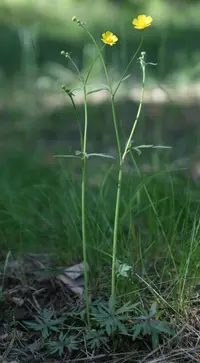
dame's rocket Care (Hesperis matronalis)

Also known as: Dame's-violet, sweet rocket
dame's rocket

About dame's rocket

Dame's rocket (Hesperis matronalis) is a short-lived perennial or biennial flowering plant in the mustard family, grown mainly for its spring and early summer blooms. It forms upright clumps with slender stems, toothed lance-shaped leaves, and loose clusters of purple, pink, or white four-petaled flowers that are fragrant, especially in the evening. Native to Europe and western Asia, it has naturalized widely in North America, often found along roadsides, woodland edges, and disturbed ground. The plant grows easily in many temperate gardens and can self-seed freely, which makes it both low-maintenance and sometimes invasive. Understanding how to care for dame's rocket starts with giving it sun to light shade, moderately moist soil, and room to reseed where allowed.

Main Plant Requirements

Care Difficulty

Easy Care

Light Preference

Partial Sun

Water Requirements

Moderate Water

Temperature Preference

Cold Hardy

Hardiness Zone

3–8

Soil Texture

Sandy, Loamy, Silty

Soil pH

Acidic (5.5–6.5), Slightly acidic (6.5–7.0)

Soil Drainage

Moist but well-drained

Fertilization

Minimal (feed rarely)

Get Personalized Care Plan

Scan your plant to receive care tips personalized for your specific plant

Available on iOS and Android

How to Care for the dame's rocket

This species prefers cool sun exposure with some daily shade for best flowering and foliage health.

  • Provide 4–6 hours of direct morning sun with light or dappled shade after midday; in hot summers, avoid full sun from 12–4 pm to reduce leaf scorch.
  • Hesperis matronalis tolerates partial shade, especially in the afternoon, but dense shade reduces flowering and produces taller, weaker stems.
  • In cooler coastal or northern climates, it can handle near full sun, while in hotter regions a north- or east-facing site offers safer light levels.

This plant prefers evenly moist, well-drained soil rather than extremes of drought or saturation.

  • Check soil before watering; in garden beds, water when the top 3–5 cm feels dry, aiming for deep soaking rather than light, frequent splashes.
  • During hot, dry periods, expect to water every few days in free-draining soil; reduce frequency in cool or rainy weather to prevent root rot.
  • Signs of underwatering include limp, drooping foliage that recovers after moisture; yellowing lower leaves and a sour soil smell indicate overwatering.

This cool-temperate perennial tolerates a wide temperature range, with strongest growth in mild conditions.

  • Optimal growth occurs around 60–75°F (16–24°C); flowering is reliable in cool springs with steady moisture and moderate temperatures.
  • Plants tolerate winter cold down to about -20°F (-29°C) in well-drained soil, especially with light mulch that protects crowns from freeze–thaw cycles.
  • Heat tolerance is moderate; above 85°F (29°C) growth slows, flowering shortens, and plants benefit from partial shade and consistent soil moisture.

This species is flexible about air moisture and usually does not need special humidity management outdoors.

  • Thrives in 40–60% humidity, which matches typical outdoor conditions in most temperate gardens.
  • Tolerates short dry spells without damage, provided soil moisture is kept consistent at the root zone.
  • Humidity stress shows as limp, prematurely yellowing foliage during hot, very dry wind; mulch around plants to buffer swings and reduce moisture loss.

Hesperis matronalis prefers moderately fertile, moist but free-draining ground with a loose, crumbly structure.

  • Use a loamy or sandy-loam texture with at least 30–40% organic matter from compost or well-rotted manure.
  • Aim for slightly acidic to neutral pH around 6.0–7.2 to support nutrient uptake and strong flowering.
  • Improve drainage and aeration by mixing coarse sand or fine grit plus a small amount of perlite into heavy or compacted soils.
  • Avoid waterlogged clay, heavily compacted sites, or pure sand that dries out rapidly and causes shallow, weak rooting.

This species can be grown in containers if the pot is chosen and managed to prevent root stress and instability.

  • Choose a container at least 25–30 cm deep so the taproot can develop without curling or circling tightly.
  • Select a heavier material such as ceramic or thick terracotta to keep tall flowering stems from tipping in wind.
  • Raise the pot slightly on feet or bricks so drainage holes stay clear and excess water can escape quickly after rain or watering.

This plant grows well in average garden soil, so dame's rocket needs only modest fertilization in nutrient-poor sites.

  • Apply a light dressing of compost or well-rotted manure around plants in early spring before strong growth begins.
  • Where soil is very poor, use a balanced, slow-release fertilizer (around 10-10-10) at label rate once in spring.
  • If using liquid feed, dilute to 1/2 strength and apply no more than every 4–6 weeks during active growth.
  • Avoid feeding in late fall or winter to prevent soft, cold-sensitive growth and nutrient waste.

Pruning Hesperis matronalis focuses on tidying plants and supporting strong flowering and reseeding control.

  • In late spring to early summer, deadhead spent flower spikes with clean hand pruners to encourage continued blooming.
  • After peak bloom, cut back tall, leggy stems by up to 1/3 to maintain a compact, upright shape.
  • Remove dead, weak, or storm-damaged stems at the base at any time to improve air flow and reduce disease pressure.
  • If self-seeding is unwanted, shear plants before seed pods ripen, collecting and disposing of cut material.

This species is usually grown in garden beds, so care focuses on transplanting seedlings rather than frequent repotting.

  • Transplant in early spring or early fall when temperatures are mild and soil is moist but not waterlogged.
  • Move plants or seedlings when roots just fill starter cells or small pots, before they begin circling heavily.
  • Choose a site with well-drained soil and similar light; water deeply after planting to settle soil and limit transplant shock.
  • Shade newly transplanted clumps for a few days in hot, sunny weather and keep soil evenly moist while roots re-establish.

Hesperis matronalis is most often propagated by seed, which germinates reliably in typical garden conditions.

  • Sow seeds outdoors in late spring to early summer in a prepared bed with moist, well-drained soil.
  • Gently press seeds into the surface or cover very lightly, as some light exposure supports germination at 60–70°F.
  • Keep the seedbed evenly moist, not waterlogged, until seedlings are established with several true leaves.
  • For clump division, lift mature plants in early spring, separate sections with healthy roots, and replant promptly.

This plant is generally cold hardy in temperate climates and requires minimal winter care in the ground.

  • Tolerates typical winter frosts once established, especially in well-drained soil.
  • Apply a 3–5 cm layer of mulch around, but not against, crowns in late fall to buffer freeze–thaw cycles.
  • For container-grown plants in colder regions, move pots to a sheltered, unheated but frost-sheltered area.

Care Tips

Self‑seeding management

Mark strong first‑year rosettes and leave only selected second‑year plants to set seed, deadheading the rest after peak bloom to prevent unwanted spread while still renewing the planting.


Staggered flowering bands

Sow or transplant in narrow, offset bands rather than a single dense patch so that when older plants decline or are removed, younger bands fill in and maintain an even, naturalistic display.

Targeted staking method

Place low, inconspicuous hoop or grid supports around clumps early in spring so tall stems lean on the structure during wind and rain instead of flopping or snapping at the base.

Disease rotation strategy

Rotate planting areas every 3–4 years and avoid replanting where brassicas or dame’s rocket recently grew, which reduces buildup of soil‑borne diseases and improves long‑term stand vigor when growing dame's rocket.

Wildlife‑friendly buffers

Establish a mown strip or mulch buffer around beds near natural areas and promptly remove seedlings beyond that line to enjoy the flowers while limiting escape into nearby wild habitats.

Common Pests and Diseases

Downy mildew

This disease causes yellow, pale, or angular spots on upper leaf surfaces with a gray to white fluffy growth on the undersides, especially in cool, damp weather.

Solution

Remove and dispose of infected leaves, avoid overhead watering, and increase spacing and airflow around plants; in wet springs, apply a copper-based or phosphorous acid fungicide labeled for ornamental brassicas at the first sign of symptoms if cultural measures are not enough.

Powdery mildew

This disease appears as white, powdery patches on leaves, stems, and sometimes flower stalks, leading to leaf distortion and reduced flowering.

Solution

Improve air circulation, avoid crowding, and water at the base to keep foliage dry; remove heavily infected foliage and, if needed, use a sulfur or potassium bicarbonate fungicide labeled for ornamentals at early stages.

Flea beetles

These insects chew many small round holes in the leaves, giving them a shot‑holed or lace‑like appearance, and are most active in warm, dry weather.

Solution

Use floating row covers early in the season to exclude beetles, keep nearby crucifer weeds under control, and apply horticultural neem oil or spinosad to foliage in the evening if damage becomes severe.

Cabbage aphids

These insects cluster on stems, buds, and leaf undersides, often appearing grayish or whitish due to waxy coating, and cause curling or distortion of young growth.

Solution

Spray plants with a firm stream of water to dislodge colonies, remove heavily infested shoots, and apply insecticidal soap or horticultural oil, ensuring thorough coverage of undersides of leaves.

Clubroot

This disease causes swollen, distorted roots and leads to wilting, stunting, and yellowing foliage, especially in warm conditions and acidic, wet soils.

Solution

Remove and destroy affected plants including as much root as possible, avoid replanting brassica relatives in the same spot for several years, improve drainage, and raise soil pH toward neutral (around 7.0) with lime to reduce future infections.

Interesting Facts

Evening fragrance shift

The flowers release a much stronger, sweeter scent after sunset than in daytime, an adaptation that helps attract nocturnal moth pollinators.

Color change with age

Individual flower clusters often show white, pale pink, and purple blossoms at the same time because flowers tend to fade from deeper purple to lighter shades as they age.

Biennial yet persistent

Although usually a biennial that flowers in its second year and then dies, the species maintains long‑lived colonies through heavy self‑seeding, which can make managing or growing dame's rocket in gardens quite simple.

Botan icon

Did you know?

In several parts of North America, Hesperis matronalis is considered a problematic invasive species because its early spring growth and dense self‑sown stands can outcompete native woodland and roadside wildflowers, especially in moist, partially shaded habitats.

FAQs about dame's rocket

This species self-seeds heavily, forming dense patches if spent flower stalks are not removed. In many regions it is considered invasive and can outcompete native wildflowers. Deadhead regularly and control seedlings if growing dame's rocket in mixed plantings.

Grow Healthy Plants with Botan Care

Keep your plants happy and healthy with plant identification, disease detection, and easy care guidance.

Botan plant care app — identify plants on mobile

Explore More Plants