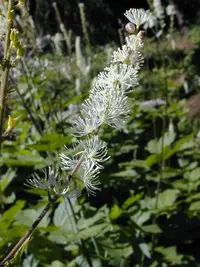
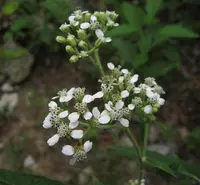
meadow buttercup Care (Ranunculus acris)

Also known as: tall buttercup, giant buttercup, common buttercup
meadow buttercup

About meadow buttercup

Meadow buttercup (Ranunculus acris) is a hardy perennial wildflower from the buttercup family, common in grasslands, meadows, and pastures. It forms clumps of upright stems with deeply divided leaves and bright, glossy yellow flowers. The plant often naturalizes in moist, fertile soils and can spread readily, sometimes becoming a persistent lawn or pasture weed. It prefers full sun to light shade and consistently moist ground. Because it is tough and adaptable, it is generally easy to establish, but its spreading habit means gardeners should plan how to care for meadow buttercup so it does not take over small spaces.

Main Plant Requirements

Care Difficulty

Easy Care

Light Preference

Full Sun

Water Requirements

Regular Water

Temperature Preference

Cold Hardy

Hardiness Zone

3–8

Soil Texture

Loamy, Silty, Organic-rich

Soil pH

Acidic (5.5–6.5), Slightly acidic (6.5–7.0)

Soil Drainage

Moist but well-drained

Fertilization

Minimal (feed rarely)

Get Personalized Care Plan

Scan your plant to receive care tips personalized for your specific plant

Available on iOS and Android

How to Care for the meadow buttercup

This species prefers bright, open conditions that mimic moist meadows and pastures.

  • Provide 6–8 hours of sun daily; full sun in cool climates supports dense flowering, while light afternoon shade suits warmer regions.
  • Meadow buttercup tolerates partial shade (3–4 hours sun) but may grow taller, lean, and produce fewer blooms in low light.
  • Avoid intense, reflected midday sun in hot summers, which can scorch foliage; aim for morning sun with filtered light later in the day.

This plant favors consistently moist soil but not stagnant or waterlogged conditions.

  • Aim for soil that stays evenly damp to 5–8 cm depth; allow only the surface 1–2 cm to dry slightly before the next thorough soak.
  • Increase watering during active spring–early summer growth and flowering, then reduce as temperatures fall and top growth slows or dies back.
  • Watch for yellowing, limp leaves and a sour smell as signs of overwatering, and crisp, wilting foliage with dry soil as signs of underwatering.

This species is a hardy, cool-temperate perennial adapted to outdoor conditions in many regions.

  • Optimal growth occurs around 55–70°F (13–21°C), especially in spring when soil is cool and moisture is high.
  • Mature plants tolerate winter cold down to about 5–15°F (-15 to -9°C) in the ground, provided soil drains well and crowns do not sit in ice.
  • Heat above 85°F (29°C), especially with dry soil, stresses plants; expect slowed growth and consider extra shade and moisture in hot spells.

This species is adapted to moist, open habitats and does not need elevated humidity in gardens.

Ranunculus acris prefers consistently moist, deep, and nutrient-rich mineral soil.

  • Use a loamy soil with moderate clay and plenty of organic matter, such as well-rotted compost or leaf mold, to retain moisture without becoming waterlogged.
  • Ensure steady but not rapid drainage; soil should stay damp after watering yet not remain puddled or anaerobic, which encourages root rot.
  • Aim for slightly acidic to neutral pH, roughly 6.0–7.0, and avoid highly alkaline or saline soils that restrict nutrient availability.
  • On heavy or compacted sites, loosen the top 20–30 cm and incorporate coarse sand or fine grit with compost to improve aeration and structure for Ranunculus acris care.

This species can be grown in containers, but it performs best where pots can stay evenly moist and cool.

  • Choose a deep, heavy container that resists tipping and buffers roots from rapid temperature and moisture swings.
  • Use a moisture-retentive mix, such as garden loam with compost and a small proportion of grit, to keep soil damp yet structured.
  • Stand pots in a shallow tray of water only during hot, dry spells, then let the tray dry out to prevent chronic saturation of the root zone.

This meadow buttercup is a low-maintenance wild perennial that needs only light feeding in poor soils.

  • Use a balanced, slow-release fertilizer (around 10-10-10) or a thin layer of compost in early spring if growth seems weak.
  • Apply once at the start of the growing season; avoid repeated applications to prevent lush, floppy foliage.
  • Dilute liquid feeds to 1/2–1/4 strength if used, and water beforehand to protect roots.
  • Do not fertilize during dormancy or winter; excess nutrients at this stage can stress Ranunculus acris.

Ranunculus acris benefits from simple, seasonal pruning to maintain neat growth and reduce self-seeding.

  • In late spring to early summer, deadhead spent flower stems to limit unwanted self-seeding and encourage a tidier clump.
  • Remove dead, diseased, or storm-damaged foliage whenever noticed, cutting back to healthy tissue with clean hand pruners.
  • If plants become floppy or crowded, lightly shear back the top growth after flowering to restore shape.
  • Disinfect blades between plants to lower the risk of spreading fungal or bacterial problems.

This species is usually grown in the ground; focus on careful transplanting rather than frequent repotting.

  • Transplant in early spring or early fall, when temperatures are mild and soil is moist but not waterlogged.
  • Move clumps only when overcrowded or when flowering declines; container plants needing more space show circling roots and slowed growth.
  • Dig widely around Ranunculus acris, lift with as much rootball and soil as possible, and replant at the same soil level.
  • Water thoroughly after transplanting, then keep evenly moist for 1–2 weeks to limit transplant shock.

Ranunculus acris is commonly propagated by division or seed in garden settings.

  • Divide established clumps in early spring or early fall, lifting and gently pulling sections apart with several buds and roots each.
  • Replant divisions immediately into moist, well-drained soil, spacing them to allow air flow and future spread.
  • Sow fresh seed in fall or very early spring outdoors; natural cold exposure supports germination.
  • Keep soil lightly moist, not waterlogged, until new seedlings or divisions show steady growth.

Ranunculus acris is cold hardy in most temperate climates and generally needs minimal winter care.

  • In zones with very cold, exposed sites, apply a light mulch layer after the ground cools to insulate the root zone.
  • Allow foliage to die back naturally; remove mushy or diseased leaves to reduce overwintering pests and pathogens.
  • Container-grown plants in cold regions can be sunk into the ground or moved to a sheltered, unheated area.

Care Tips

Mowing Management

In mixed lawns or meadows, set the mower higher and delay the first cut until after flowering so the plants can set seed and slowly thicken the colony.


Seed Bank Renewal

Every 2–3 years, lightly disturb the soil surface with a rake in late summer and broadcast fresh seed into the thin patches to keep populations vigorous when growing meadow buttercup.

Moisture Mapping

Observe where water naturally lingers after rain and position plantings in those slightly wetter bands, as even small microhabitats can significantly improve growth and flowering.

Targeted Competition Control

Reduce tall, aggressive grasses or weeds around clumps using hand pulling or spot trimming so the buttercups receive enough light and space without fully clearing the area.

Grazing And Traffic

Protect stands from heavy foot traffic and intensive grazing, as repeated trampling and close grazing can quickly weaken or remove plants from pastures and informal lawns.

Common Pests and Diseases

Powdery mildew

This disease causes a white to gray, powdery coating on leaves, stems, and sometimes flower stalks, often leading to distortion and reduced vigor. Symptoms include increased susceptibility in dense, humid plantings with limited air flow.

Solution

Remove and dispose of heavily infected leaves to reduce spore load, then improve spacing and air circulation around plants and avoid overhead watering late in the day. If needed, apply a sulfur or potassium bicarbonate fungicide labeled for ornamentals at the first sign of infection, following label directions carefully.

Leaf spots

This disease produces small brown or purplish lesions on leaves that may merge into larger dead patches, especially in wet conditions. Symptoms include premature yellowing and drop of the affected foliage.

Solution

Cut off and discard affected leaves to limit spread, and keep foliage as dry as possible by watering at soil level in the morning. In persistent cases, apply a copper-based fungicide labeled for ornamental perennials during wet periods, and rotate plantings or avoid overhead irrigation to reduce recurrence as part of general Ranunculus acris plant care.

Crown and stem rot

This disease causes blackened, water-soaked lesions at the base of stems and around the crown, leading to sudden wilting and collapse. Symptoms include soft, decaying tissue near the soil line, often under prolonged wet or waterlogged conditions.

Solution

Dig up and discard severely affected plants, including nearby contaminated soil, and improve drainage by loosening soil and avoiding overwatering or compacted, poorly drained sites. For remaining plants, keep crowns just above the soil surface, reduce irrigation frequency, and avoid mulching tightly against stems to keep the crown dry.

Aphids

These insects cluster on tender shoots, underside of leaves, and flower stems, sucking sap and excreting sticky honeydew that can lead to sooty mold. This pest can cause curling, yellowing, and distortion of young growth and may transmit viruses.

Solution

Dislodge colonies with a strong stream of water and remove heavily infested shoot tips by hand. If populations persist, apply insecticidal soap or a ready-to-use neem oil product, coating the undersides of leaves and repeat treatments as needed while also encouraging natural predators such as lady beetles by avoiding broad-spectrum insecticides.

Buttercup leaf miner

These insects create winding, pale tunnels within the leaf tissue, which can merge into large blotches and reduce photosynthesis. This pest is usually more noticeable on leaves of wild or mass plantings of meadow buttercup.

Solution

Remove and dispose of mined leaves as soon as damage is seen to physically remove larvae and reduce future generations. For repeated heavy infestations, use sticky traps to monitor adult flies and consider applying a systemic insecticide labeled for ornamental perennials early in the season, focusing on integrated approaches rather than repeated chemical use.

Interesting Facts

Buttercup gloss mechanism

The bright yellow petals have a unique layered structure with a smooth upper epidermis over a starch layer that reflects light, creating the characteristic glossy shine often used in classic “butter under the chin” reflections.

Protoanemonin toxicity

Fresh meadow buttercup tissues contain protoanemonin, a blister-causing compound that can irritate skin and is poisonous to grazing animals when eaten in quantity, but this substance largely breaks down as the plant dries in hay.

Preference for damp grassland

This species shows its highest abundance in moist, nutrient-rich pastures and meadows that are not heavily fertilized or overgrazed, so botanists often use it as an indicator of traditional, moderately managed grassland.

Botan icon

Did you know?

In some European regions, long-term vegetation studies have documented that meadow buttercup populations declined noticeably with the intensification of agriculture and heavier fertilizer use, so conservation surveys often track its presence as part of monitoring semi-natural meadow quality.

FAQs about meadow buttercup

Lack of flowers usually comes from too much shade, nutrient-poor or very dry soil, or heavy cutting before buds form. Allow full sun, maintain moderate moisture, and avoid mowing or trimming until after flowering stems develop.

Grow Healthy Plants with Botan Care

Keep your plants happy and healthy with plant identification, disease detection, and easy care guidance.


Botan plant care app — identify plants on mobile

Explore More Plants