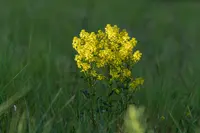
rasp-leaf pelargonium Care (Pelargonium radens)

Also known as: rasp-leaved pelargonium, multifid-leaved pelargonium, Raspleaf Storksbill, Multifid-Leaved Storksbill, Rasp -Leaved Storksbill
rasp-leaf pelargonium

About rasp-leaf pelargonium

Rasp-leaf pelargonium (Pelargonium radens) is a shrubby, scented pelargonium valued for its finely divided, rasped-looking leaves and strong, fresh fragrance. It is an evergreen perennial in mild climates but is often grown as a container plant in cooler regions.

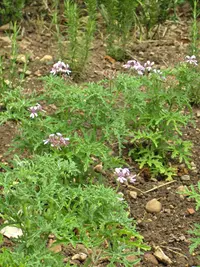
Plants develop a loose, branching habit with soft, slightly woody stems and small clusters of pink to purplish flowers in the warmer months. Pelargonium radens originates from South Africa, where it grows in sunny, well-drained habitats.

Its tolerance of pruning, moderate drought, and container culture makes it relatively straightforward for home gardeners who want to learn how to care for rasp-leaf pelargonium. It generally prefers bright light, moderate watering, and well-drained, slightly lean soil.

Main Plant Requirements

Care Difficulty

Moderate Care

Light Preference

Full Sun

Water Requirements

Moderate Water

Temperature Preference

Tropical / Frost Sensitive

Hardiness Zone

10–11

Soil Texture

Sandy, Loamy, Organic-rich

Soil pH

Slightly acidic (6.5–7.0), Neutral (7.0)

Soil Drainage

Well-drained

Fertilization

Light (every 4–6 weeks)

Get Personalized Care Plan

Scan your plant to receive care tips personalized for your specific plant

Available on iOS and Android

How to Care for the rasp-leaf pelargonium

This scented geranium thrives in bright conditions with several hours of direct light each day.

  • Provide 4–6 hours of direct sun, ideally morning sun with light afternoon shade, especially in hot summer climates.
  • Tolerates light or dappled shade for part of the day, but stems of rasp-leaf pelargonium become leggy and flowering decreases in low light.
  • In regions with strong sun, protect from intense afternoon exposure to reduce leaf scorch and monitor for pale, bleached foliage as a sign of excess light.

Pelargonium radens prefers moderate, measured watering and brief dry periods between soakings.

  • Allow the top 2–4 cm of soil to dry before watering; use your finger to check rather than following a fixed calendar schedule.
  • Use sharply drained soil and a pot or bed that does not stay wet; yellowing, swollen leaves or a musty smell suggest overwatering and possible root rot.
  • In active growth and bloom, water more often, then cut back in cool or low-light seasons, watching for limp, dull leaves as a sign it stayed dry for too long.

This species prefers mild, frost-free conditions and does not tolerate prolonged cold.

  • Aim for 60–75°F (16–24°C) for steady growth; short spikes up to about 85°F (29°C) are usually tolerated if soil does not stay soggy.
  • Protect from temperatures below 40°F (4°C); light frost can damage leaves, and hard frost can kill roots, especially in exposed garden sites.
  • In cooler regions, treat as a tender perennial, giving the plant its warmest outdoor microclimate or moving containers under cover before night temperatures drop in autumn.

This species prefers relatively dry air and usually does not need extra humidity indoors.

  • Aim for 30–50% humidity; typical heated or air-conditioned rooms are suitable for rasp-leaf pelargonium.
  • Brown, crisp leaf edges alongside constantly wet soil suggest rot risk rather than low humidity stress.
  • If air is extremely dry and leaves shrivel while soil dries very fast, group plants together or place near a shallow pebble tray, keeping foliage dry.

Pelargonium radens performs best in light, sharply drained, slightly fertile growing media.

  • Use a loose, sandy or loamy mix, such as 2 parts all-purpose potting mix with 1 part coarse perlite or horticultural grit for fast drainage.
  • Aim for slightly acidic to neutral pH around 6.0–7.0, which supports root function and nutrient uptake without encouraging rot.
  • Improve aeration by including coarse particles (perlite, grit, or fine bark), breaking up any compaction before planting.
  • Avoid heavy clay, peat-heavy mixes that stay wet, or any medium that remains soggy for longer than 1–2 days after watering.

This species adapts very well to container cultivation on patios, balconies, and sunny steps.

  • Choose a pot only 2–4 in wider than the root mass so the mix dries evenly instead of staying wet at the center.
  • Use a heavier terracotta or ceramic container in windy spots to reduce tipping from its bushy, scented foliage canopy.
  • Raise the container slightly on pot feet or bricks so drainage holes clear quickly after rain or watering, preventing waterlogging at the base.

Balanced feeding supports compact growth and scented foliage in rasp-leaf pelargonium.

  • Use a balanced water-soluble fertilizer (around 10-10-10 or 20-20-20) diluted to 1/2 strength for container plants.
  • Feed every 2–3 weeks from spring through early fall when growth is active.
  • Switch to a slow-release fertilizer or light compost top-dressing for outdoor beds in spring.
  • In winter or dormancy, reduce feeding to once every 6–8 weeks or pause if growth is minimal.

Thoughtful pruning keeps Pelargonium radens bushy, leafy, and flowering well.

  • Best time is late winter to early spring, before strong new growth starts.
  • Remove dead, damaged, leggy, or inward-crossing stems to improve airflow and light penetration.
  • Shorten long shoots by 1/3 to shape a dense mound and encourage more flowering tips.
  • Use clean, sharp scissors or pruning shears and cut just above a node where leaves emerge.

Container-grown plants benefit from occasional repotting to maintain healthy roots and foliage.

  • Check for roots circling the pot base, escaping drainage holes, or slowed growth as signs to move Pelargonium radens up a size.
  • Plan repotting or transplanting for early spring, just before vigorous growth begins.
  • Repot every 2–3 years into a slightly larger container with free-draining mix to avoid waterlogging.
  • Loosen circling roots gently, keep the original soil level, water well, then shade lightly for a few days to reduce stress.

New plants are most often raised from stem cuttings for consistent traits and fast establishment.

  • Take 7–10 cm semi-ripe stem cuttings in late spring or summer from non-flowering shoots.
  • Remove lower leaves, keep 2–3 at the tip, and allow cut ends to dry for 1–2 hours to reduce rot risk.
  • Insert cuttings into a free-draining mix, keep slightly moist, and maintain bright, indirect light.
  • Optional rooting hormone and bottom warmth around 70°F can speed root formation and improve success rates.

Cold-sensitive plants need specific winter care in most temperate climates.

  • Pelargonium radens is frost tender and usually damaged below about 30°F.
  • In zones with freezing winters, lift or move containers indoors to a bright, cool room before first frost.
  • Reduce watering in winter, keeping soil barely moist to prevent root rot in low light.
  • For in-ground plants in mild climates, apply a light mulch to buffer short cold spells without burying the crown.

Care Tips

Pinch For Bushiness

Regularly pinch out just the soft shoot tips with clean fingers or scissors every 3–4 weeks in spring and early summer to keep plants compact, delay legginess, and increase the number of flowering stems.

Refresh Woody Plants

If the plant has become woody and sparse, cut back 1/3 of the oldest stems to near the base in late winter, then repeat the next year, which gradually renews the framework without shocking the plant.

Scented Foliage Harvest

Harvest small bundles of leaves for crafts or culinary infusions by cutting non-flowering side shoots, which both provides usable foliage and stimulates fresh, aromatic growth.

Targeted Pest patrol

Inspect the undersides of leaves and stem junctions weekly in warm weather for early signs of aphids, whitefly, or spider mites, and wash these off with a firm stream of water before considering any horticultural soap.

Seasonal Pot Rotation

Rotate containers by 1/4 turn every 1–2 weeks and move them slightly farther from bright windows in midsummer to keep growth even, avoid one-sided stretching, and fine-tune light exposure when caring for rasp-leaf pelargonium.

Common Pests and Diseases

Geranium rust

This disease causes small yellow spots on the upper leaf surface and brown pustules on the undersides, leading to leaf yellowing and drop. Symptoms include patchy defoliation that starts on lower leaves and moves upward in humid, crowded conditions.

Solution

Remove and discard all affected leaves, then improve air circulation by spacing plants and avoiding overhead watering. Keep foliage dry, water at the base, and use a labeled fungicide for rust on geraniums if the problem continues, treating nearby Pelargonium radens as a preventive measure.

Botrytis blight

This disease produces soft brown spots on leaves, stems, and flowers, often covered with a gray, dusty mold, especially in cool, damp conditions. Symptoms include collapsing flower stalks and a general mushy appearance of affected tissue.

Solution

Cut off and discard all infected flowers and foliage, and reduce humidity by increasing airflow and avoiding water on the leaves. Allow the top of the potting mix to dry slightly between waterings and, in persistent cases, use a geranium-safe fungicide labeled for Botrytis, following all label directions.

Aphids

These insects cluster on soft shoot tips and flower stems, sucking sap and causing distorted new growth and sticky honeydew deposits. This pest can also encourage sooty mold on leaves and weaken flowering in growing rasp-leaf pelargonium.

Solution

Spray stems and leaves with a strong stream of water to dislodge colonies, then treat remaining insects with insecticidal soap or a ready-to-use neem oil product, covering all leaf surfaces. Repeat treatment every 5–7 days until no new aphids appear, and regularly pinch or inspect soft tips where they typically congregate.

Whiteflies

These insects are tiny white, moth-like flies that flutter up when the plant is disturbed and feed on leaf undersides, causing yellowing and reduced vigor. This pest also excretes honeydew, which can lead to sticky leaves and sooty mold.

Solution

Use yellow sticky traps near the plant to catch adult insects and regularly inspect the undersides of leaves for immature stages. Treat infested foliage with insecticidal soap or horticultural oil, repeating weekly until populations drop, and avoid moving heavily infested plants near healthy Pelargonium radens specimens.

Bacterial leaf spot

This disease causes small, water-soaked or translucent spots on leaves that may turn dark and sometimes develop a yellow halo. Symptoms include irregular spotting that can join into larger dead patches, leading to leaf drop in warm, wet conditions.

Solution

Promptly remove and discard affected leaves and avoid splashing water on foliage or reusing contaminated tools. Improve air circulation, water at the soil level, and, for valuable collections, isolate affected plants and source new stock from reputable nurseries that monitor for bacterial issues in geraniums and pelargoniums.

Interesting Facts

Raspberry-like scent

The foliage releases a distinct raspberry-like aroma when lightly rubbed, caused by volatile oils stored in specialized glandular hairs on the leaves.

Deeply cut foliage

Its leaves are strongly dissected into narrow lobes, which increases edge surface area and helps reduce water loss in the windy, seasonally dry habitats of its native South African range.

Hybrid parent role

This species has been used as a parent in breeding many scented-leaf cultivars, passing on both its strong fragrance and finely divided leaf shape.

Botan icon

Did you know?

In parts of its native South African range, wild populations of Pelargonium radens are often found on rocky slopes and in fynbos vegetation, where their aromatic leaves may help deter herbivores and protect the plant from intense browsing pressure.

FAQs about rasp-leaf pelargonium

Lack of blooms usually comes from insufficient light, too much nitrogen fertilizer, or old, unpruned stems. Provide bright conditions, use a balanced or low‑nitrogen feed, and trim leggy growth to stimulate new flowering shoots.

Grow Healthy Plants with Botan Care

Keep your plants happy and healthy with plant identification, disease detection, and easy care guidance.

Botan plant care app — identify plants on mobile

Explore More Plants