Encourage Clumping
Cut several mature culms (stems) back to 5–10 cm above soil level in late spring to stimulate dense new basal shoots and maintain a compact, wind-resistant clump.

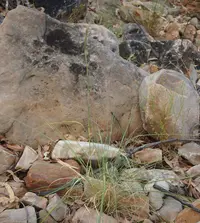
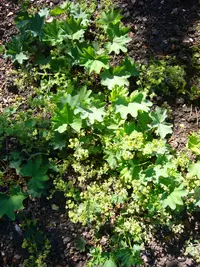
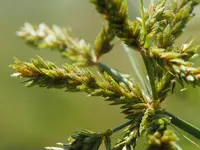
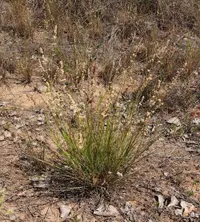
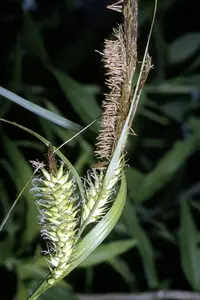
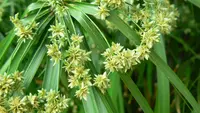
Lemon grass (Cymbopogon ambiguus) is a clumping perennial grass valued for its fresh citrus scent and upright, arching foliage. It forms dense tufts of narrow, bluish to green leaves that move easily in the wind and give a light, airy look to beds or large containers.
This species is native to Australia, where it grows in open, sunny habitats with well-drained soils. It is generally fast growing and responds well to regular trimming, which encourages fresh foliage.
Lemon grass is considered relatively easy to grow if given warmth, strong light, and soil that does not stay waterlogged, so learning how to care for Lemon Grass focuses mainly on meeting these basic conditions.

Care Difficulty
Easy Care

Light Preference
Full Sun

Water Requirements
Moderate Water

Temperature Preference
Warm Climate

Hardiness Zone
8–11

Soil Texture
Sandy, Loamy, Rocky

Soil pH
Acidic (5.5–6.5), Slightly acidic (6.5–7.0)

Soil Drainage
Well-drained

Fertilization
Minimal (feed rarely)
Scan your plant to receive care tips personalized for your specific plant
Available on iOS and Android
This sun-loving Australian lemon scented grass needs strong light to stay dense and flavorful.
This drought-tolerant grass prefers consistent but not excessive moisture once established.
This warm-season grass thrives in mild to hot conditions and dislikes frost.
This species handles a wide humidity range and rarely needs special humidity management indoors or outdoors.
Cymbopogon ambiguus prefers freely draining, moderately fertile soil that mimics sandy, open habitats.
This grass is well suited to container growing when the pot supports its vigorous, clumping root system.
Cymbopogon ambiguus benefits from modest feeding in active growth but tolerates relatively lean soils.
Cymbopogon ambiguus responds well to light pruning that maintains a fresh, tidy clump and encourages new shoots.
This species is usually grown in the ground, so focus on dividing and transplanting overcrowded clumps rather than frequent repotting.
Cymbopogon ambiguus is most reliably propagated by division, with seeds as a slower alternative.
This species is relatively cold tolerant but benefits from simple winter care in cooler regions.

Plant Health Check
Not sure what's wrong with your plant? Check your plant's health inside the app.
After rain or heavy dew, the foliage releases a noticeably stronger lemon-like aroma because water droplets help volatilize the essential oils concentrated in the leaves.
This species is native to inland and arid regions of Australia, where it grows on rocky or sandy soils and tolerates prolonged dry periods compared with many other lemon-scented grasses.
In its native habitat it often experiences grassland fires, and its clumping root system allows it to resprout from the base once conditions improve.
In parts of Australia this species has been traditionally used in smoking and aromatic practices by Indigenous communities, who value its strong lemon scent for cultural and practical purposes.
Yellowing usually comes from nutrient deficiency, root stress, or normal aging of older blades. Check for crowded roots, poor drainage, or lack of nitrogen, then trim old foliage and refresh soil or fertilizer as needed.
Keep your plants happy and healthy with plant identification, disease detection, and easy care guidance.