Umbrella Flat-Sedge Care (Cyperus alterniflorus)

Umbrella Flat-Sedge

About Umbrella Flat-Sedge

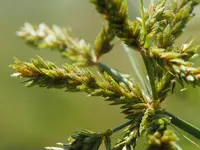
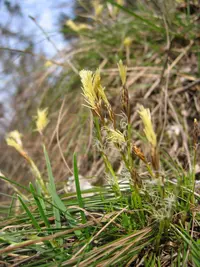
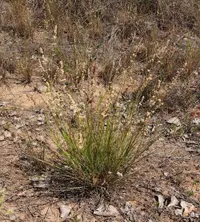
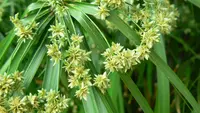
Umbrella flat-sedge (Cyperus alterniflorus) is a moisture-loving, grasslike perennial often grown as a foliage accent near ponds, water features, or in containers. It forms upright, reedlike stems topped with a distinctive umbrella of narrow, radiating leaf-like bracts. Native to Madagascar and parts of Africa, it has adapted well to warm, frost-free climates and indoor pots in many regions. The plant favors consistently wet conditions and does not tolerate drying out, which strongly shapes how to care for Umbrella Flat-Sedge. Its fast growth and tolerance of standing water make it relatively easy for beginners who can provide steady moisture and moderate light.

Main Plant Requirements

Care Difficulty

Moderate Care

Light Preference

Full Sun

Water Requirements

Aquatic

Temperature Preference

Tropical / Frost Sensitive

Hardiness Zone

9–12

Soil Texture

Loamy, Silty, Organic-rich

Soil pH

Acidic (5.5–6.5), Slightly acidic (6.5–7.0)

Soil Drainage

Waterlogged tolerant

Fertilization

Light (every 4–6 weeks)

Get Personalized Care Plan

Scan your plant to receive care tips personalized for your specific plant

Available on iOS and Android

How to Care for the Umbrella Flat-Sedge

This wetland sedge thrives in bright conditions but is sensitive to intense, drying sun.

  • Provide 4–6 hours of bright light daily, ideally morning sun with light afternoon shade, especially in hot climates.
  • Tolerates partial shade (2–4 hours of filtered light) but dense shade reduces vigor and produces weak, floppy stems in Umbrella Flat-Sedge.
  • In summer, protect from harsh midday sun that can scorch leaf tips; in winter, ensure an open, unobstructed position to maximize low-angle light.

This species prefers constantly moist to saturated conditions and does poorly if allowed to dry out.

  • Keep soil consistently wet; in warm weather, the surface should never dry beyond the top 0.5–1 cm, and standing water around the root zone is acceptable for Cyperus alterniflorus.
  • Increase watering in summer so the root area stays cool and damp; in cooler seasons, reduce slightly but prevent the soil from becoming merely damp or patchy-dry.
  • Watch for drooping, browning leaf tips as a sign of underwatering, and yellowing, collapsing stems with sour-smelling soil as an indicator of poor drainage and oxygen-starved roots.

This sedge favors warm, frost-free conditions and slows growth markedly in cooler weather.

  • Optimal growth occurs at 70–85°F (21–29°C), where stems elongate quickly and new shoots emerge steadily from the crown.
  • It tolerates short dips to about 40°F (4–5°C) but foliage may be damaged; prolonged exposure below 35°F (1–2°C) or any hard frost can kill aboveground growth.
  • In hot spells above 90°F (32°C), maintain abundant water and some afternoon shade to prevent stress, while in cooler seasons growth becomes sluggish but rhizomes can persist if not frozen.

This species needs constantly high humidity to stay healthy.

  • Aim for 60–80% humidity; keep air consistently moist around Umbrella Flat-Sedge.
  • Brown, crispy leaf tips or collapsing stems indicate air is too dry.
  • Stand the pot in a shallow tray of water with pebbles and group with other plants to raise local humidity.

Cyperus alterniflorus prefers permanently wet, organic-rich soil that still has some structure.

  • Use a heavy loam-based mix with 50–70% garden loam, 20–30% compost, and the rest coarse sand for structure.
  • Keep drainage slow; the root zone should stay saturated, so use a cache pot or outer tray that holds standing water.
  • Target slightly acidic to neutral pH around 6.0–7.0 for nutrient availability and root function.
  • Avoid peat-perlite mixes that drain quickly or dry out, and do not allow the soil surface to crust and repel water.

This species is well suited to container growing, especially for keeping the root zone constantly wet.

  • Choose a deep, heavy pot to counterbalance the tall, umbrella-like stems and prevent tipping in wind.
  • If the pot has drainage holes, stand it inside a watertight outer container kept filled with several cm of water.
  • Use a wide container to allow dense clump formation, which supports upright growth and reduces stem lodging.

This wetland species responds well to moderate feeding during active growth, especially in containers.

  • Use a balanced water-soluble fertilizer (around 10-10-10 or 20-20-20) at 1/2 strength for Umbrella Flat-Sedge in pots.
  • Feed every 4–6 weeks from spring to early fall when growth is vigorous.
  • Reduce or stop feeding in late fall and winter when growth slows.
  • In ponds or large tubs, occasional top-dressing with slow-release aquatic or general slow-release granules is sufficient.

Pruning Cyperus alterniflorus keeps clumps tidy and encourages fresh, vigorous stems.

  • Best time is late winter to early spring before strong new growth, with light touch-ups anytime in the growing season.
  • Remove yellowing, broken, or thin weak stems at the base using clean, sharp scissors or hand pruners.
  • Thin crowded centers by cutting entire stems to ground level to improve light and air flow.
  • Trim spent or untidy umbels to maintain a neat outline, especially in containers or formal water features.

This plant spreads quickly in wet conditions, so occasional repotting or transplanting maintains health and size control.

  • Repot or divide every 1–2 years when roots circle the pot, growth slows, or containers become overcrowded.
  • Choose late spring to early summer, when temperatures are warm and the plant resumes strong growth.
  • Move into a slightly larger container with heavy, moisture-retentive soil, keeping the root ball consistently wet during and after the move.
  • Handle roots gently, keep them submerged or very moist during work, then shade and shelter the plant for 3–5 days to reduce stress.

Cyperus alterniflorus is commonly multiplied by division and by using stem-top plantlets.

  • Divide mature clumps in late spring or early summer, separating sections with several healthy stems and roots.
  • Replant divisions into shallow water or very wet soil, firming them in and keeping crowns just at soil level.
  • For top plantlets, bend an umbel onto moist soil, secure it, and keep it wet until roots form, then cut from the parent.
  • Seeds can germinate in warm (70–80°F), consistently wet conditions, but division gives faster, more uniform plants.

This species is frost-sensitive and needs protection in regions with cold winters, especially in containers.

  • In USDA zones colder than 9, grow in pots and move indoors to a bright, cool, frost-free room before temperatures drop near 40°F.
  • Keep indoor plants evenly moist, not waterlogged, and allow growth to slow naturally.
  • In mild climates, mulch the root zone 5–8 cm deep to buffer brief cool spells.
  • Remove winter-damaged stems in late winter, once the risk of hard frost has passed.

Care Tips

Container water tray

Stand the pot in a deep, stable tray or cachepot kept 2–5 cm full of water so the root zone never dries while foliage and crown remain above the waterline to avoid rot.

Divide to rejuvenate

Every 1–2 years, lift and divide congested clumps into smaller sections with healthy white roots, then replant them slightly deeper to maintain vigorous new shoot production and prevent center dieback.

Selective stem thinning

Remove the oldest, leaning, or yellowing stems at the base with clean pruners rather than shearing the top, which encourages stronger, upright new growth and keeps the plant looking architectural.

Indoor water feature use

For Umbrella Flat-Sedge indoor care, place the pot inside a decorative watertight container or small indoor pond and top up the water regularly so the substrate stays saturated without soil spilling into the room.

Outdoor pond management

If growing Umbrella Flat-Sedge in a garden pond, keep it in a mesh or solid pond basket with heavy loam, submerge just to soil level, and lift the basket each year to trim back roaming roots before they spread too aggressively.

Common Pests and Diseases

Spider mites

This pest appears in hot, dry indoor air and on stressed plants, causing fine webbing and tiny pale speckles on the leaves and bracts. Symptoms include dull, stippled foliage and gradual yellowing, especially on older leaf blades.

Solution

Rinse foliage thoroughly with a strong but gentle stream of lukewarm water, including the undersides of leaf blades, then maintain higher humidity around the plant and avoid letting it dry out. For persistent infestations, use repeated applications of insecticidal soap or a ready-to-use horticultural oil, applied according to label directions and kept off flowers as much as possible.

Aphids

These insects cluster on tender stems and new umbrella-like leaf whorls, sucking sap and excreting sticky honeydew that can lead to sooty mold growth. Symptoms include distorted new growth and a shiny or sticky film on stems and nearby surfaces.

Solution

Wash off colonies with a firm spray of water, repeating every few days until numbers drop. If needed, apply insecticidal soap or neem oil thoroughly to the affected areas, checking new growth regularly and removing heavily infested shoots to keep populations low when caring for Umbrella Flat-Sedge.

Leaf spot

This disease causes brown, tan, or dark purple spots or streaks on the leaf blades, sometimes with yellow halos and irregular shapes. Symptoms include premature yellowing and drying of affected leaves, especially in crowded, poorly ventilated clumps.

Solution

Remove and discard spotted leaves to reduce the source of infection, and thin dense clumps to improve airflow around the foliage. Avoid wetting the leaves when watering if possible, and if the problem recurs, use a labeled copper or broad-spectrum fungicide on the foliage, following all safety and timing instructions.

Rust

This disease produces small orange, brown, or rust-colored pustules on the undersides of leaves, sometimes matched by pale or yellow areas on the upper surface. Symptoms include gradual leaf weakening, loss of vigor, and premature dieback of older foliage.

Solution

Cut off and dispose of affected leaves as soon as symptoms appear, and reduce crowding so that foliage dries quickly after rain or overhead watering. In persistent cases, apply a rust-labeled fungicide on a schedule recommended on the product label and avoid overhead irrigation that keeps leaves wet for long periods.

Interesting Facts

Umbrella-like leaf whorls

This species produces radiating leaf-like bracts at the top of tall stems, forming umbrella-shaped whorls that increase light capture and help shed water efficiently in wet habitats.

Adapted to standing water

It naturally grows along stream banks, marsh edges, and pond margins, tolerating waterlogged and even shallowly flooded soils that would kill many terrestrial ornamentals.

Wind-dispersed spikelets

The small, clustered spikelets contain numerous tiny fruits that are easily carried by wind and water, allowing the plant to colonize new wet areas quickly.
Botan icon

Did you know?

In frost-free climates this species can flower and set seed almost continuously through the warm season, acting as a near year-round resource for small wetland invertebrates that use its dense stems and bracts for shelter and perching.

FAQs about Umbrella Flat-Sedge

Brown tips usually result from low humidity, hard tap water with salts, or occasional dryness at the roots. Use softer water, keep the root zone consistently moist, increase ambient humidity, and trim damaged tips for appearance only.

Grow Healthy Plants with Botan Care

Keep your plants happy and healthy with plant identification, disease detection, and easy care guidance.

Botan plant care app — identify plants on mobile

Explore More Plants