Shear For Renewal
Shear the clumps back to 5–8 cm in late winter before new shoots emerge to keep the plant compact, encourage dense regrowth, and maintain its airy flower display.

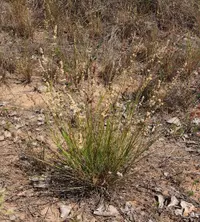
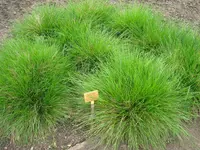
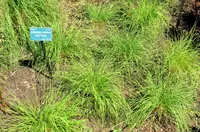
Purple lovegrass, Eragrostis spectabilis, is a warm-season ornamental grass valued for its fine texture and airy flower plumes. It forms low, tufted clumps that send up clouds of pinkish-purple seed heads late in the season, creating a soft haze of color.
This species is native to dry, open sites in North America, including prairies, roadsides, and sandy fields. It is adapted to heat, sun, and relatively poor soils, which makes it resilient and low maintenance in many garden settings.
Once established, it tolerates drought and does not need frequent attention, so it suits beginner gardeners who want to learn how to care for purple lovegrass in simple conditions.

Care Difficulty
Easy Care

Light Preference
Full Sun

Water Requirements
Low Water

Temperature Preference
Cold Hardy

Hardiness Zone
5–9

Soil Texture
Sandy, Loamy, Rocky

Soil pH
Acidic (5.5–6.5), Slightly acidic (6.5–7.0)

Soil Drainage
Well-drained

Fertilization
Minimal (feed rarely)
Scan your plant to receive care tips personalized for your specific plant
Available on iOS and Android
This warm-season grass thrives in open, sunny sites with long daily exposure.
This species prefers dry to moderately dry soil and is highly drought tolerant once established.
This warm-season perennial grass grows best in hot summers and survives typical temperate winters.
Humidity is not a significant factor for Eragrostis spectabilis in typical home or outdoor conditions.
This species prefers lean, well-drained mineral soils that do not stay wet.
This species is suitable for sunny container displays, especially in dry or exposed sites.
This native warm-season grass needs only modest feeding, so focus on supporting soil health rather than heavy fertilizer use when caring for purple lovegrass.
Pruning Eragrostis spectabilis is simple and mainly helps maintain a tidy mound and healthy new growth.
This grass is most often grown in the ground, but young plants in containers or crowded clumps outdoors benefit from occasional transplanting.
Eragrostis spectabilis is commonly propagated by seed and by division of mature clumps.
This warm-season grass is generally cold hardy across much of the US and needs minimal winter care once established.

Plant Health Check
Not sure what's wrong with your plant? Check your plant's health inside the app.
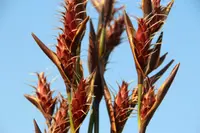
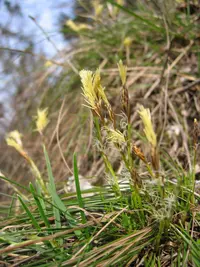
Purple lovegrass produces airy, pink‑purple flower panicles in late summer to fall that form a low, cloud‑like haze above the foliage, making whole patches of roadside or sandy fields appear tinted purple when in full bloom.
This grass is naturally common on dry, sandy, low‑fertility soils, where its finely branched, fibrous root system stabilizes loose substrates and allows it to persist where many other plants struggle.
Mature inflorescences can detach almost as a unit and tumble or blow across open ground, scattering large numbers of tiny seeds over a broad area and helping the species colonize disturbed or open habitats efficiently.

Purple lovegrass is native to a wide range of eastern and central North America, and in some regions it is considered a characteristic species of coastal dune and sandy prairie communities, contributing noticeably to late‑season landscape color and structure despite its small stature.
Lack of flowers usually comes from too much shade, overly rich or wet soil, or plants that are too young. Ensure full sun, lean well-drained soil, and avoid high-nitrogen fertilizer to encourage normal seasonal flowering.
Keep your plants happy and healthy with plant identification, disease detection, and easy care guidance.