Mulch For Moisture
Apply a 3–5 cm layer of fine bark or leaf mulch around the clumps to keep the shallow roots cool, reduce evaporation, and suppress weeds without covering the crown of the plant.

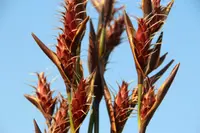
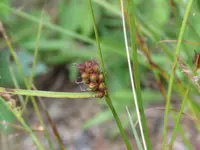
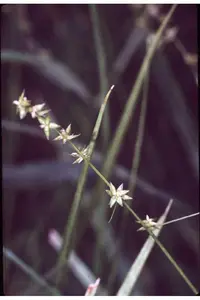
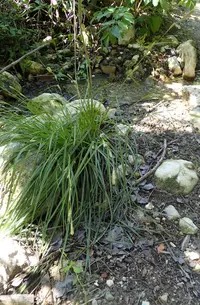
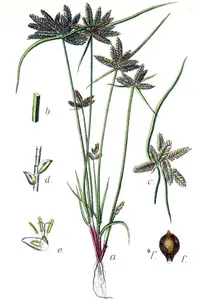
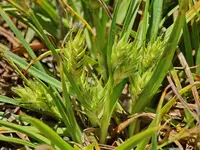
Bristly pineapplereed (Hypodiscus aristatus) is a small, grass-like perennial from the restio family, valued for its fine, tufted foliage and upright habit. It forms dense clumps of slender, bristly stems that give a textured, architectural look in containers or mixed plantings.
This species is native to South Africa, where it typically grows in nutrient-poor, well-drained, often sandy soils. It generally prefers bright light, moderate moisture, and soil that never stays waterlogged.
Its slow to moderate growth, tolerance of lean soils, and relatively low pest pressure make it manageable for growers with some experience. Learning how to care for bristly pineapplereed mainly involves providing sharp drainage and avoiding heavy, compacted substrates.

Care Difficulty
Moderate Care

Light Preference
Partial Shade

Water Requirements
Moderate Water

Temperature Preference
Warm Climate

Hardiness Zone
Unknown

Soil Texture
Loamy

Soil pH
Slightly acidic (6.5–7.0)

Soil Drainage
Well-drained

Fertilization
Minimal (feed rarely)
Scan your plant to receive care tips personalized for your specific plant
Available on iOS and Android
Hypodiscus aristatus performs best in bright, indirect light with some direct sun at cooler times of day.
Hypodiscus aristatus prefers evenly moist but not saturated soil, with brief drying at the surface between waterings.
This species prefers mild, frost-free conditions and reacts poorly to temperature extremes.
Hypodiscus aristatus prefers moderately moist air but usually adapts to typical home humidity.
Hypodiscus aristatus grows best in evenly moist, fast-draining, organic-rich soil.
This species is suitable for container growing when the pot supports its fine, fibrous root system and stable foliage clumps.
Hypodiscus aristatus is a slow-growing plant that benefits from light, controlled feeding rather than heavy fertilization.
Pruning Hypodiscus aristatus is mainly a light maintenance task to keep clumps tidy and healthy.
This species is more often grown in the ground than in pots, so focus on careful transplanting when clumps outgrow their space.
Hypodiscus aristatus is usually propagated in controlled production, and home propagation is possible but not very straightforward.
In suitable climates Hypodiscus aristatus is moderately cold tolerant and often needs only basic winter care.

Plant Health Check
Not sure what's wrong with your plant? Check your plant's health inside the app.
This species is native to the Western Cape fynbos of South Africa, where it grows in nutrient-poor, acidic, sandy soils that experience winter rainfall and dry summers.
Although it belongs to the Restionaceae family, it forms stiff, rush-like clumps with segmented, wiry stems that function as the main photosynthetic organs because true leaves are highly reduced.
In its natural range it occurs in fire-prone shrublands, and its clumping root system is adapted to survive or rapidly re-establish after periodic wildfires that structure the fynbos ecosystem.
This species is generally evergreen in mild, frost-free climates, holding its stiff, rush-like foliage year-round. In colder areas, top growth may be damaged by low temperatures but usually resprouts from the base when conditions improve.
Keep your plants happy and healthy with plant identification, disease detection, and easy care guidance.