Mulch To Stabilize
Apply a 3–5 cm layer of fine, weed-free mulch around the clumps to keep roots cool, reduce soil heaving from freeze–thaw cycles, and limit competition from shallow-rooted weeds when growing inland sedge.

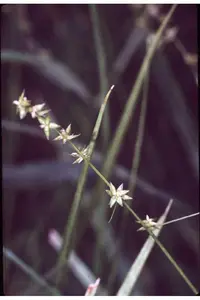
Inland sedge (Carex interior) is a fine-textured, clump-forming sedge native to cool, moist habitats such as wetlands, streambanks, and damp woodlands across northern North America. It has narrow, arching, grass-like leaves and a soft, tufted look that fits in naturalistic plantings and shaded rain gardens.
The plant prefers consistently moist soil, partial shade, and cool conditions, which makes it best suited to gardens that can provide reliable moisture. Once its moisture needs are met, inland sedge is generally low-maintenance and stable, so it is not difficult to care for inland sedge in suitable climates.

Care Difficulty
Easy Care

Light Preference
Partial Shade

Water Requirements
Keep Soil Moist

Temperature Preference
Cold Hardy

Hardiness Zone
2–7

Soil Texture
Loamy, Silty, Organic-rich

Soil pH
Acidic (5.5–6.5), Slightly acidic (6.5–7.0)

Soil Drainage
Moist but well-drained

Fertilization
Minimal (feed rarely)
Scan your plant to receive care tips personalized for your specific plant
Available on iOS and Android
This shade-loving sedge prefers soft, forest-like light rather than direct sun.
This species naturally grows in consistently moist, humus-rich soils near wetlands and stream edges.
This cool-temperate sedge is adapted to climates with cold winters and mild to warm summers.
This sedge prefers moderate humidity but usually adapts well to typical indoor air.
Carex interior prefers consistently moist, loose soil that mimics a woodland or streamside edge.
This species is suitable for container growing outdoors or on shaded patios.
Carex interior has modest nutrient needs but responds well to light feeding in poor soils or containers.
Carex interior benefits from light pruning to keep clumps tidy and healthy.
Carex interior is more often transplanted in the garden than repotted indoors.
Carex interior is commonly propagated by division, with seed used mainly for restoration projects.
Carex interior is cold hardy in much of its native range and usually needs little winter care in the ground.

Plant Health Check
Not sure what's wrong with your plant? Check your plant's health inside the app.
This sedge is strongly associated with cool, moist coniferous and mixed forests in northern North America, where it often grows under spruce, fir, or cedar canopies on shaded, damp soils.
Populations often occur in seepage zones, fens, and wet depressions fed by stable groundwater, so its presence can signal relatively undisturbed hydrology and consistently moist, not flooded, conditions.
The plant produces slender, drooping fruiting spikes with each tiny fruit (perigynium) tapering into a short beak, a combination that helps botanists separate it from similar woodland sedges in the field.
This species forms clumps and spreads slowly by short rhizomes. It usually stays where it is planted, making it suitable for controlled ground cover, rain gardens, or naturalistic plantings without becoming a nuisance in most garden settings.
Keep your plants happy and healthy with plant identification, disease detection, and easy care guidance.