bluestem Care (Andropogon gayanus)

Also known as: Gamba Grass, Tambuki Grass, Blue Grass
bluestem

About bluestem

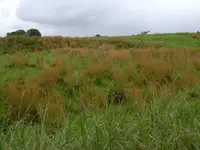
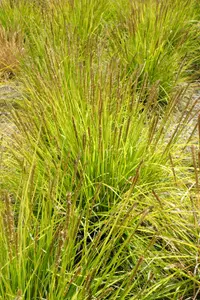
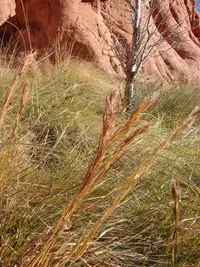
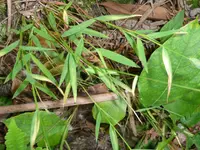
Andropogon gayanus, commonly called gamba grass or bluestem, is a tall, warm-season perennial grass. It forms dense clumps with upright stems and narrow leaves that can reach impressive heights in suitable climates.

This species is native to tropical Africa but has been widely introduced in tropical and subtropical regions for pasture and erosion control. It spreads readily by seed and can become invasive in some areas.

The plant is generally tough and drought tolerant once established, which makes it relatively easy to maintain where the climate fits its needs. Those learning how to care for bluestem mainly need to consider its preference for full sun, well-drained soil, and moderate to low moisture.

Main Plant Requirements

Care Difficulty

Easy Care

Light Preference

Full Sun

Water Requirements

Low Water

Temperature Preference

Tropical / Frost Sensitive

Hardiness Zone

10–13

Soil Texture

Sandy, Loamy, Clay

Soil pH

Acidic (5.5–6.5), Slightly acidic (6.5–7.0)

Soil Drainage

Well-drained

Fertilization

Minimal (feed rarely)

Get Personalized Care Plan

Scan your plant to receive care tips personalized for your specific plant

Available on iOS and Android

How to Care for the bluestem

Andropogon gayanus performs best in bright, open sites with strong direct sun.

  • Provide full sun for 6–10 hours daily; it grows tallest and densest in unobstructed light.
  • Tolerates light partial shade, but stems may elongate and lodging risk increases when daily sun drops below about 5 hours.
  • In hot summers, strong afternoon sun is tolerated if soil moisture is adequate; in cool or cloudy seasons, ensure maximum exposure to prevent weak, floppy bluestem growth.

Andropogon gayanus prefers moderately dry, well-drained conditions once established.

  • Allow the top 5–8 cm of soil to dry between waterings; the soil should feel dry and slightly crumbly at the surface.
  • During the first growing season, water deeply when foliage starts to lose turgor or curl slightly, then reduce frequency once roots are established.
  • Ensure free-draining soil; yellowing, soft basal stems indicate overwatering, while browning leaf tips and persistent curling point to underwatering.

This warm-season grass thrives in consistently warm climates and reacts poorly to frost.

  • Optimal growth occurs around 77–95°F (25–35°C), with active tillering and strong root development in this range.
  • Plants tolerate heat up to about 104°F (40°C) if soil moisture is not limiting, but growth slows below 68°F (20°C).
  • Frost is damaging; expect injury below 32°F (0°C) and likely death of above-ground parts with repeated freezes, so plan for warm-season growth windows in cooler regions.

Andropogon gayanus tolerates a wide humidity range and usually needs no special humidity management outdoors.

For Andropogon gayanus, prioritize a mineral, free-draining soil that mimics dry, open grassland conditions.

  • Use sandy or sandy-loam soil with 20–30% coarse sand or fine gravel to keep pores open and prevent compaction.
  • Aim for slightly acidic to neutral pH around 6.0–7.5, avoiding highly acidic or saline substrates that restrict root function.
  • In heavy native clay, create raised rows or berms and blend in coarse sand and small gravel to improve drainage and aeration.
  • Limit compost to a thin incorporation layer (≤20%) to avoid overly rich, moisture-retentive soil that encourages weak, floppy growth.

This species can be grown in large outdoor containers but needs careful management of stability and drainage.

  • Select a deep, heavy container (concrete, ceramic, thick terracotta) to counter the tall, wind-catching foliage and reduce tipping risk.
  • Fill the pot with a gritty mix, such as 60–70% sandy loam plus 30–40% coarse sand or small gravel, to shed water quickly.
  • Position the container in a spot sheltered from strong, funneling winds so the tall clumps do not lever and crack the pot rim.

Andropogon gayanus is a tough, warm-season grass that benefits from modest feeding on poor soils.

  • Use a balanced slow-release fertilizer (for example 10-10-10) or light compost dressing at the start of spring growth.
  • Apply fertilizer every 6–8 weeks during the active growing season if soil is low in nutrients.
  • Use half-strength doses on established clumps to avoid overly lush, floppy growth.
  • Stop feeding in late summer so plants harden off before cooler weather.

Andropogon gayanus needs only light, timed pruning to maintain tidy clumps and vigorous new growth.

  • Cut back old foliage to 10–20 cm above ground in late winter or very early spring before new shoots emerge.
  • Remove dead, damaged, or lodging stems during the season with clean, sharp shears or a sickle.
  • Thin out congested centers every few years to improve air flow and reduce disease risk.
  • Leave some upright stems over winter if desired for wildlife value and erosion control, then clear them in spring.

This tall grass is usually grown in-ground, so management focuses on dividing and transplanting mature clumps rather than frequent repotting.

  • Plan division or transplanting in late winter or early spring as new shoots start to appear.
  • Lift and split crowded clumps every 3–4 years, especially if centers thin or growth slows.
  • Trim foliage to 20–30 cm before moving to reduce wind rock and water loss from leaves.
  • Replant divisions at the same depth in well-drained soil, water thoroughly, then keep evenly moist until established.

Andropogon gayanus is commonly propagated by seed or by division of established clumps.

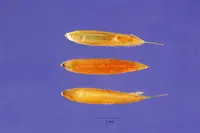
  • Collect ripe seed in late summer–autumn and sow in spring in a warm, bright spot with well-drained substrate.
  • Keep seed trays at 70–80°F with light moisture, avoiding waterlogging during germination.
  • For vegetative increase, divide healthy clumps in late winter–early spring when buds are just swelling.
  • Replant divisions promptly, firming soil around roots and watering well to encourage rapid establishment.

This warm-season grass has limited frost tolerance and needs some attention in regions with cold winters.

  • In mild climates, leave foliage standing over winter to shield the crown, cutting back in late winter.
  • In cooler zones, apply a 5–8 cm mulch around the root zone after the first light frosts.
  • Container plants in cold regions should be moved to a frost-free, bright shelter until spring.

Care Tips

Staggered Establishment Mowing

In the first year, mow young plants lightly to 15–20 cm once or twice during active growth to encourage deeper rooting and a denser clump structure that resists lodging in wind.

Windward Row Orientation

In windy sites, plant in long rows aligned parallel to the prevailing wind so the clumps shelter each other, which reduces stem breakage and moisture loss from the canopy.

Targeted Basal Thinning

Every 2–3 years, remove the oldest, dead basal shoots and small weak tillers at ground level during late dormancy to maintain good air flow and reduce fungal disease pressure in dense stands.

Controlled Burn Substitute

Where burning is not allowed, cut back and remove all dry top growth at the end of winter and lightly rake out thatch to mimic the rejuvenating effect of fire and stimulate vigorous new shoots.

Seed Head Management

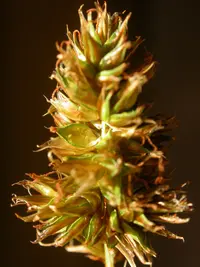
If self-seeding is not desired, cut and dispose of flower heads as they turn from green to straw-colored, which limits unwanted spread while still allowing the plant to store energy in its roots when growing bluestem.

Common Pests and Diseases

Stem rust

This disease causes orange to dark brown pustules on stems and leaves, which can weaken the culms and reduce seed production.

Solution

Remove and destroy heavily infected stems before pustules dry and spread spores, reduce overhead irrigation, and maintain good spacing for airflow; in production settings, apply a grass-appropriate fungicide labeled for rust if the disease is recurring and severe.

Leaf spot

This disease produces small, tan to dark brown spots on leaves that may coalesce, leading to premature leaf drying, especially in dense, humid stands.

Solution

Cut and remove affected foliage to reduce inoculum, avoid prolonged leaf wetness by irrigating early in the day at soil level, and thin crowded clumps to improve ventilation; in high-value plantings, a labeled foliar fungicide can be used preventively when warm, wet conditions persist.

Armyworms

These insects are caterpillars that chew linear holes and ragged edges in blades, and in heavy infestations can rapidly skeletonize large areas of foliage.

Solution

Inspect foliage and thatch at dusk for larvae and hand-pick where practical, encourage natural predators such as birds and parasitic wasps, and if feeding is severe on ornamental or forage stands, use a targeted biological product containing Bacillus thuringiensis (Bt) or a selective grass-safe insecticide according to label directions.

Aphids

These insects cluster on young shoots and the undersides of leaves, sucking sap and excreting sticky honeydew that can attract sooty mold.

Solution

Spray affected foliage with a strong stream of water to dislodge colonies, encourage beneficial insects such as lady beetles, and if populations remain high, apply an insecticidal soap or light horticultural oil, ensuring thorough coverage of leaf undersides and tender growth.

Interesting Facts

Tall tropical bunchgrass

This species can form very tall tussocks in tropical savannas, with flowering stems in ideal field conditions often reaching several meters in height, which makes it a prominent structural grass in many landscapes where it is grown as forage.

Deep, fibrous root system

It develops an extensive fibrous root system that allows it to access moisture deep in the soil profile and maintain growth through dry periods in many warm-climate grazing systems.

High-biomass forage grass

The species is widely used as a tropical forage grass because of its ability to produce large amounts of leafy biomass under warm, high-light conditions, supporting grazing and cut-and-carry feeding systems in parts of Africa, South America, and Asia.

FAQs about bluestem

This warm-season grass spreads by seed and short rhizomes, forming large clumps over time. In mild, frost-free climates it can self-seed heavily and behave aggressively, so monitor seedlings and remove unwanted clumps regularly.

Grow Healthy Plants with Botan Care

Keep your plants happy and healthy with plant identification, disease detection, and easy care guidance.

Botan plant care app — identify plants on mobile

Explore More Plants