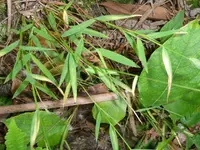
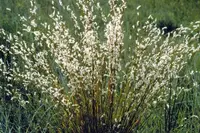
Annual Rush Care (Juncus rechingeri)

About Annual Rush

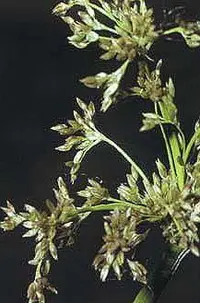
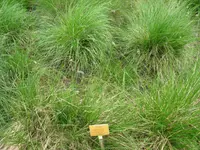
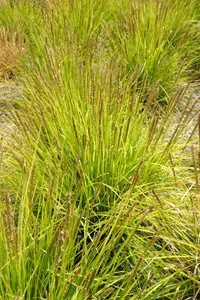
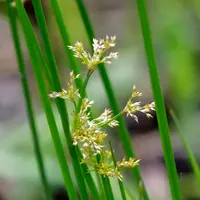
Annual rush (Juncus rechingeri) is a small, clumping rush typically found in wet or seasonally damp habitats. It forms fine, upright green stems with a simple, grass-like look.

This species occurs naturally in parts of the Mediterranean and Middle East, often in temporary pools, ditches, or wet meadows. Its annual life cycle means it completes growth and seed production within one growing season.

Juncus rechingeri is generally considered easy to grow if provided with consistently moist soil and full sun to light shade. Understanding how to care for Annual Rush starts with replicating its naturally damp, open habitat.

Main Plant Requirements

Care Difficulty

Moderate Care

Light Preference

Full Sun

Water Requirements

Aquatic

Temperature Preference

Cool Climate

Hardiness Zone

6–9

Soil Texture

Loamy, Silty, Organic-rich

Soil pH

Slightly acidic (6.5–7.0), Neutral (7.0)

Soil Drainage

Waterlogged tolerant

Fertilization

Minimal (feed rarely)

Get Personalized Care Plan

Scan your plant to receive care tips personalized for your specific plant

Available on iOS and Android

How to Care for the Annual Rush

This rush prefers consistently bright conditions that mimic open, wet meadows.

  • Provide 4–6 hours of direct morning sun with light afternoon shade; in hotter regions, avoid harsh sun after 2–3 p.m. to prevent leaf scorch.
  • Tolerates light partial shade (2–4 hours sun), but stems may elongate and lean if light is too low for many weeks.
  • Monitor seasonal shifts: in winter, remove overhead shade where possible, while in summer, use nearby taller plants to filter the strongest midday sun for Annual Rush.

This species favors constantly moist to wet conditions and does not tolerate drying out.

  • Keep soil consistently saturated or very moist; in garden beds, do not let the top 1–2 cm dry fully, especially during active growth.
  • Increase watering during hot, windy periods so the root zone never dries; in cooler months, maintain moisture but reduce flow if water begins to stagnate or smell anaerobic.
  • Watch foliage: browning, crisp tips indicate underwatering, while yellowing, limp stems and foul, sour-smelling soil suggest prolonged stagnation or poor drainage for Juncus rechingeri.

This rush grows best in cool to mild conditions but handles a fair range of outdoor temperatures.

  • Optimal growth occurs around 60–75°F (16–24°C), especially in spring and early summer when soil remains evenly moist and oxygenated.
  • Tolerates brief drops near 25–28°F (-4 to -2°C), but repeated hard freezes and frozen soil can damage roots and thin clumps; mulch helps buffer cold.
  • Handles summer heat up to about 85–90°F (29–32°C) if soil stays wet; in hotter spells, protect from reflected heat and drying winds to limit stress.

This species prefers consistently moist air but adapts to typical indoor humidity if soil moisture is stable.

  • Aim for 50–70% humidity, especially in warm rooms or near heating vents.
  • Dry air can brown leaf tips and cause wiry stems to yellow along the base.
  • Increase humidity by grouping plants, using a nearby humidifier, or placing the container on a shallow pebble tray kept topped with water.

This rush thrives in constantly moist to wet, rich, fine-textured soil.

  • Use a dense, organic-rich mix such as 2 parts peat or coco coir, 1 part compost, and 1 part fine sand to mimic marshy conditions.
  • Allow very slow drainage; a saucer that holds some water helps keep the lower root zone saturated.
  • A slightly acidic to neutral pH of 6.0–7.0 supports nutrient uptake for Juncus rechingeri.
  • Avoid coarse, fast-draining mixes with a lot of bark or perlite, which dry too quickly and stress this moisture-loving plant.

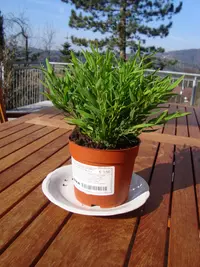
This species grows well in containers when moisture retention and pot stability are prioritized.

  • Choose a deep, heavy pot to anchor the upright, tufted foliage and reduce tipping in wind or on balconies.
  • Select thick plastic or glazed ceramic, which slows evaporation and helps keep the root zone evenly wet.
  • Use only 1–2 small drainage holes and a water-catching saucer so the lower soil layer stays consistently saturated without flooding the crown.

This wetland rush benefits from modest feeding when grown in containers or poor substrates.

  • Use a balanced, dilute liquid fertilizer (around 10-10-10 NPK) at 1/2 strength during active growth in spring–summer.
  • Apply every 4–6 weeks for potted Annual Rush; skip feeding if plants are vigorous in rich soil or ponds.
  • Avoid heavy compost layers that may sour in saturated conditions; use a thin top-dressing only.
  • Stop fertilizing in late fall and avoid feeding during winter dormancy to prevent weak, soft growth.

Pruning for Juncus rechingeri is mainly cosmetic and helps maintain a clean, upright clump.

  • Best time is late winter or early spring before strong new growth starts.
  • Remove dead, brown, damaged, or badly bent stems at the base with clean scissors or hand pruners.
  • Thin a few crowded green stems to open dense clumps and keep an even, fountain-like outline.
  • Avoid cutting all stems to the ground at once, which can temporarily weaken growth and appearance.

Container-grown plants and crowded clumps benefit from occasional division and transplanting.

  • Look for roots circling inside the pot, water running straight through, or declining vigor as signs it needs attention.
  • Plan repotting or transplanting in early spring, every 2–3 years, when new shoots begin to emerge.
  • Lift the clump, gently tease apart or cut sections with healthy roots, and replant at the same depth.
  • Keep roots evenly moist before, during, and after the move, and shade lightly for 3–5 days to limit stress.

This rush is typically propagated by division, which preserves the characteristics of established plants.

  • Divide mature clumps in early spring when new shoots are short and soil is workable.
  • Lift the plant, then split the root mass into sections with 3–5 shoots and a firm root portion.
  • Replant divisions into saturated, organic-rich soil and firm them in to remove air pockets.
  • For seed, sow on the surface of moist substrate, keep at 60–70°F, and do not allow drying during germination.

In many temperate climates this species is fairly hardy but benefits from simple winter management.

  • Tolerates light to moderate frost; in very cold regions, roots need insulation below about 20°F.
  • In-ground clumps can be mulched lightly around the base, keeping mulch off the crown.
  • For containers, move pots to a sheltered, frost-free or minimally heated area while keeping soil just moist.
  • Leave most stems in place until late winter, as they help shield the crown from freezing winds.

Care Tips

Container depth choice

Use a deep, heavy container at least 25–30 cm tall so the fine roots can spread and the clump stays upright in wind or near water features.

Water feature placement

If placing this rush in or at the edge of a pond or water feature, keep the crown just above the waterline and only submerge the lower root zone to prevent rot of the plant base.

Seasonal thinning

In late winter or very early spring, remove the oldest, congested clumps by cutting them out at the base to keep new shoots better ventilated and less prone to fungal spotting.

Edge barrier use

In garden beds, install a 20–25 cm deep root barrier ring or bottomless pot sunk in the soil to keep the clump contained and avoid unwanted spread into nearby planting areas.

Cleaning for airflow

Every few weeks, gently comb through the stems with gloved fingers to pull out dead or broken rush blades, which improves air movement and reduces hiding places for pests when caring for Annual Rush.

Common Pests and Diseases

Aphids

This pest feeds on the soft, green shoots and can cluster along the rush stems, especially on new growth in moist sites. Symptoms include sticky honeydew, distorted tips, and sometimes black sooty mold growing on the excretions.

Solution

Rinse stems thoroughly with a strong but controlled stream of water, repeating every few days until numbers drop. For heavier infestations, use insecticidal soap or a ready-to-use neem oil spray, coating all sides of the stems and repeating according to label directions while also reducing excess nitrogen fertilization that encourages very soft growth.

Spider mites

These insects are tiny sap-feeders that become more common when this wetland rush is grown too dry or in hot, still air. Symptoms include fine webbing between stems, a dull or speckled appearance, and gradual yellowing or browning of the clumps.

Solution

Increase humidity around the plant and avoid letting the root zone dry, since stressed plants are more susceptible. Physically wash stems under water, then apply insecticidal soap or horticultural oil to all surfaces and repeat at 5–7 day intervals until no new webbing or stippling appears.

Rust

This disease is a fungal infection that produces orange to brown pustules or spots on the rush stems and foliage, sometimes leading to premature dieback of affected shoots. Symptoms include discolored streaks, rough patches, and reduced vigor in dense, poorly ventilated plantings.

Solution

Remove and discard affected stems and any heavily infected clumps to reduce the source of spores, and avoid overhead watering if possible. Improve spacing and air movement, keep foliage from staying wet for long periods, and if the problem persists in landscape plantings, apply a labeled fungicide for rust on ornamental grasses or rushes according to instructions.

Leaf spot

This disease causes small, water-soaked lesions that expand into brown or gray spots and streaks on the cylindrical stems, often appearing after prolonged wet, warm weather. Symptoms include scattered dead patches on stems and a generally patchy, uneven look to the clump.

Solution

Cut out and discard affected stems and any dense, shaded inner growth to thin the clump and improve airflow. Avoid prolonged overhead watering, keep standing water clean in container or pond settings, and in persistent cases use a broad-spectrum ornamental fungicide labeled for leaf spots, applied early at the first signs of spotting.

Interesting Facts

Eastern Mediterranean native

This rush is naturally restricted to coastal and near-coastal habitats in the eastern Mediterranean region, where it grows in seasonally wet, often brackish sites influenced by the sea.

Salt-tolerant wetland specialist

The species is adapted to saline or slightly brackish soils and can persist in periodically flooded conditions, which makes it part of specialized wetland plant communities in its native range.

Compact annual life cycle

Unlike many rushes that are perennial, this species completes its entire life cycle within a single growing season, producing seed and then dying back as conditions dry or cool.

FAQs about Annual Rush

This species performs better outdoors in consistently moist soil and open light. It can be kept indoors short term, but low light, dry indoor air, and small pots reduce vigor. Outdoor conditions usually give denser, stronger clumps.

Grow Healthy Plants with Botan Care

Keep your plants happy and healthy with plant identification, disease detection, and easy care guidance.

Botan plant care app — identify plants on mobile

Explore More Plants