Establish mowing strip
When using this grass along paths or borders, maintain a narrow mowed strip or edging barrier to keep rhizomes and self-sown seedlings from creeping into beds, especially in fertile or irrigated sites.

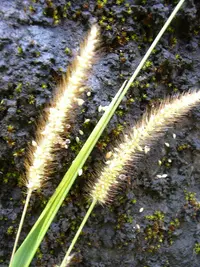
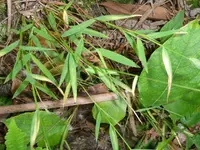
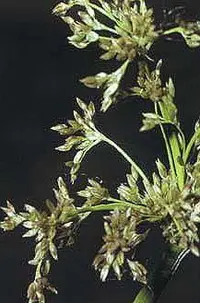
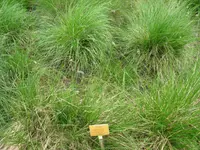
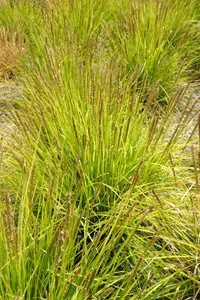
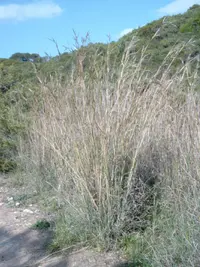
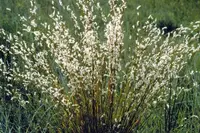
Marsh bristlegrass (Setaria parviflora) is a perennial warm-season grass typically found in wet or seasonally moist habitats such as marsh edges, ditches, and low fields. It forms dense clumps with narrow leaves and bristly flower spikes that give the plant its common name.
This species is native to the Americas and has spread to many subtropical and warm-temperate regions, including parts of the southern United States. It is generally tough and adaptable, which makes it fairly simple to establish but sometimes aggressive in suitable conditions.
Understanding how to care for marsh bristlegrass starts with its preference for full sun, regular moisture, and soils that do not stay completely dry for long periods.

Care Difficulty
Easy Care

Light Preference
Full Sun

Water Requirements
Regular Water

Temperature Preference
Warm Climate

Hardiness Zone
6–11

Soil Texture
Sandy, Loamy, Silty

Soil pH
Acidic (5.5–6.5), Slightly acidic (6.5–7.0)

Soil Drainage
Moist but well-drained

Fertilization
Minimal (feed rarely)
Scan your plant to receive care tips personalized for your specific plant
Available on iOS and Android
Setaria parviflora grows best in open, bright conditions that mimic sunny, moist habitats.
Setaria parviflora prefers consistently moist soil but not prolonged standing water.
This warm-season grass thrives in mild to hot conditions and declines with cold or frost.
Setaria parviflora handles a wide humidity range but grows best with moderate atmospheric moisture.
Setaria parviflora prefers moist, well-structured soil that stays aerated but not waterlogged.
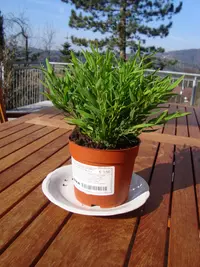
This species can be grown in containers if the pot supports its spreading, clumping habit.
This warm-season grass grows well in average soils and usually needs only light feeding.
Pruning Setaria parviflora is simple and mainly aimed at tidiness and renewing growth.
This species is usually grown in the ground, so focus on dividing and transplanting mature clumps rather than frequent repotting.
Propagation of Setaria parviflora is straightforward through seed and division under suitable conditions.
This warm-season grass is fairly cold hardy in mild to moderate climates and usually needs only minimal winter care.

Plant Health Check
Not sure what's wrong with your plant? Check your plant's health inside the app.
This grass naturally occurs in marshes, ditches, pond margins, and other saturated soils across the Americas, showing a strong adaptation to periodic flooding and waterlogged conditions that many other grasses cannot tolerate.
Its flower spikes bear bristles with tiny, rough surfaces that easily cling to animal fur, clothing, and feathers, helping the seeds disperse long distances along waterways and migration routes.
Populations are common along coastal roadsides and brackish marsh edges because this species tolerates moderate soil salinity and frequent disturbance, allowing it to colonize areas where more sensitive wetland plants decline.

In parts of its introduced range, this species can outcompete native wetland grasses and sedges, and several U.S. states now monitor it as a potentially invasive plant in sensitive marsh and riparian habitats.
This species spreads by both seed and short rhizomes, forming dense clumps and patches over time. In moist, open sites it can naturalize and outcompete low-growing plants, so edging, mowing, or root barriers may be needed to limit spread.
Keep your plants happy and healthy with plant identification, disease detection, and easy care guidance.