Mountain Andropogon Care (Andropogon distachyos)

Mountain Andropogon

About Mountain Andropogon

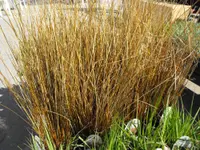
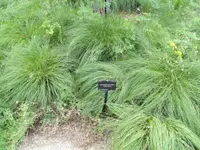
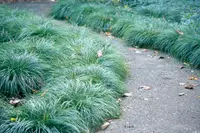
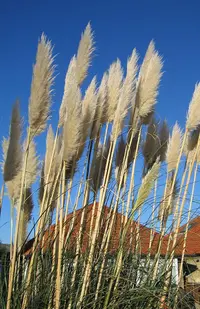
Mountain Andropogon (Andropogon distachyos) is a small, clump-forming ornamental grass valued for its fine texture and tidy growth. It typically forms low mounds with narrow, arching leaves and delicate flowering stems that move easily in the wind.

This species is native to dry, rocky slopes and open areas in parts of the Mediterranean region, so it is naturally adapted to lean soils and seasonal drought. Its tolerance of poor soil and moderate neglect makes it relatively straightforward to care for Mountain Andropogon in low-maintenance gardens.

The plant prefers sunny, open positions, well-drained soil, and moderate watering, especially while establishing. Once settled, it suits rock gardens, borders, and naturalistic plantings where a compact, drought-tolerant grass is desired.

Main Plant Requirements

Care Difficulty

Easy Care

Light Preference

Full Sun

Water Requirements

Low Water

Temperature Preference

Cool Climate

Hardiness Zone

6–9

Soil Texture

Sandy, Loamy, Rocky

Soil pH

Slightly acidic (6.5–7.0), Neutral (7.0)

Soil Drainage

Well-drained

Fertilization

Minimal (feed rarely)

Get Personalized Care Plan

Scan your plant to receive care tips personalized for your specific plant

Available on iOS and Android

How to Care for the Mountain Andropogon

This Mediterranean bunchgrass prefers full sun but accepts light shade in hotter climates.

  • Provide 6–8 hours of direct sun daily; morning and midday sun support dense, upright growth for Mountain Andropogon.
  • Allow light afternoon shade in very hot regions to reduce leaf scorching and premature browning, especially on dry, exposed sites.
  • In partial shade (3–4 hours sun), expect looser growth and fewer flower heads; avoid deep shade, which leads to weak, floppy stems and poor winter structure.

This grass is drought-tolerant once established and prefers infrequent, deep watering.

  • Water only when soil in the root zone feels dry 5–8 cm down; avoid topping up shallowly, which encourages weak, surface roots.
  • Use freely draining, gritty or sandy soil so water does not pool around the crown, which increases risk of root rot and lodging.
  • In the first growing season, water after hot, dry spells; later, watch for rolled or bluish leaves as a cue for watering and yellowing, limp foliage as a sign of excess moisture.

This perennial grass favors warm, dry conditions and tolerates moderate cold once established.

  • Active growth is strongest around 65–80°F (18–27°C); in cooler periods it grows slowly but maintains its clumping form.
  • Mature plants usually tolerate drops to about 10–15°F (-12 to -9°C) with dry soil; prolonged cold in saturated ground greatly increases winter loss.
  • Heat tolerance is high up to 95–100°F (35–38°C) if soil is not waterlogged; foliage may brown in extreme heat or drought but crowns often resprout in cooler seasons.

This grass tolerates a wide humidity range and usually does not need special humidity management.

  • Target 30–60% RH; typical indoor and outdoor air in most homes and gardens is adequate for Mountain Andropogon.
  • Dry indoor air rarely harms the plant, but prolonged heating season conditions can brown leaf tips slightly.
  • If tips brown and leaf edges curl, improve conditions by spacing plants for airflow rather than adding extra humidity.

This species prefers lean, mineral soils with fast drainage and does best when roots never sit in waterlogged conditions.

  • Use a sandy or gritty loam with low to moderate organic matter; a mix of 60% coarse sand, 30% loam, and 10% compost works well.
  • Ensure rapid drainage; in containers, combine standard potting mix with 40–50% coarse sand or fine gravel to prevent water retention.
  • Aim for slightly acidic to neutral pH, around 6.0–7.5, which supports nutrient availability without encouraging excessive lush, floppy growth.
  • Avoid heavy clay, compacted sites, or high-peat mixes that stay wet, and loosen planting areas to improve aeration before setting Andropogon distachyos.

This species can be grown in containers if the pot is prepared to match its dry, free-draining root conditions.

  • Choose a deep, relatively narrow container to accommodate fibrous roots while limiting excessive lateral spread that can destabilize the pot.
  • Select a heavier material such as ceramic or clay when growing Mountain Andropogon outdoors to reduce tipping from wind and tall foliage.
  • Raise the pot on feet or bricks so drainage holes stay clear, allowing water to exit quickly after rain or irrigation and keeping roots aerated.

This drought-tolerant grass needs only light feeding, especially in poor soils, when growing Mountain Andropogon in gardens or containers.

  • Use a balanced, slow-release fertilizer (around 10-10-10) or a thin layer of compost in early spring.
  • Feed once at the start of active growth; a second light dose in midsummer is enough in lean soils.
  • Apply at half the label strength to avoid lush, floppy growth and reduced drought tolerance.
  • Stop feeding in late summer so growth can harden off before winter dormancy.

Pruning Andropogon distachyos is simple and mainly supports a tidy clump and fresh new growth.

  • Cut back old, dried foliage to 5–10 cm above the crown in late winter or very early spring.
  • Remove dead, broken, or diseased stems during the season using clean, sharp shears.
  • Thin out a few crowded stems from the center to maintain air flow and prevent lodging.
  • Avoid cutting into green, actively growing shoots in midsummer to preserve flowering and structure.

This ornamental grass is usually grown in the ground, so care focuses on occasional transplanting or dividing older clumps.

  • Transplant or divide in early spring or early fall when temperatures are mild and soil is workable.
  • Look for dense, woody centers, reduced vigor, or crowded patches as signs a clump needs lifting.
  • Lift the clump with a spade, gently tease or cut into sections, and retain generous root mass to limit stress.
  • Replant divisions at the same depth, water thoroughly, and keep soil evenly moist until new growth is established.

Propagation of Andropogon distachyos is most reliable by division, with seed used mainly for larger-scale or wild-type plantings.

  • Divide mature clumps in early spring, keeping several shoots and healthy roots in each piece.
  • Replant divisions promptly into well-drained soil, water in, and maintain light, even moisture until established.
  • For seed, sow in late winter or early spring on the surface of a free-draining mix and barely cover.
  • Provide bright light, 65–75°F temperatures, and avoid overwatering to reduce damping-off in seedlings.

This grass is generally cold hardy in temperate climates and needs minimal winter care once established.

  • Tolerates light to moderate frost, with foliage browning naturally while roots remain viable.
  • Leave dry stems standing over winter in colder areas to shield the crown and provide wildlife habitat.
  • Apply a light mulch around, but not over, the crown in late fall in regions with freeze–thaw cycles.
  • For container plants in colder zones, move pots to a sheltered, unheated spot to prevent root freezing.

Care Tips

Encourage Dense Clumps

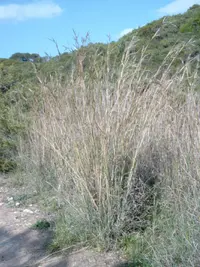
Cut back old, winter-burned foliage to 5–8 cm in late winter before new growth starts to encourage tighter, more upright clumps and reduce lodging in wind and rain.

Strategic Division Timing

Divide mature clumps every 3–5 years in early spring, replanting only the vigorous outer sections at the same depth to maintain vigor and prevent the center from becoming woody and unproductive.

Seed Head Management

If self-seeding is not desired, shear off seed heads as they turn tan but before they fully shatter, which preserves the plant’s ornamental form while limiting volunteer seedlings.

Mulch With Inert Materials

Use a thin, 2–3 cm layer of gravel or coarse sand as surface mulch around the crowns instead of organic mulch to keep the base drier, reduce rot risk, and mimic the plant’s natural, well-drained habitat.

Monitor Winter Wetness

In regions with heavy winter rainfall, plant on a low berm or in a raised strip and ensure runoff is directed away from the crown, since controlling winter wet is one of the most important aspects of caring for Mountain Andropogon in cool, wet climates.

Common Pests and Diseases

Rust

This disease causes small orange, brown, or black powdery pustules on leaves and stems, often leading to early leaf drop in humid or crowded clumps.

Solution

Remove and discard heavily infected foliage, then thin and divide dense plantings to improve airflow and reduce leaf wetness duration; if rust persists in wet seasons, use a labeled sulfur or chlorothalonil fungicide on surrounding ornamental grasses, following all safety directions.

Leaf spot

This disease produces small tan, brown, or purplish spots that may merge into larger lesions, giving foliage a scorched or blotched appearance, especially under warm, wet conditions.

Solution

Cut back and dispose of affected leaves to reduce spore levels, water at soil level rather than overhead, and increase spacing; in high-value plantings, a preventive broad-spectrum fungicide for ornamental grasses can be used at the start of prolonged wet periods.

Aphids

These insects cluster on young stems and leaf bases, sucking sap and sometimes causing yellowing, distortion, and sticky honeydew that can support sooty mold growth.

Solution

Rinse colonies off with a firm stream of water and encourage natural predators such as lady beetles; on persistent infestations, apply an insecticidal soap or neem oil spray in the early morning, making sure to cover leaf sheaths and lower stems for effective Andropogon distachyos plant care.

Grasshoppers

These insects chew irregular holes and notches in leaves, sometimes stripping foliage when populations are high in dry, open sites.

Solution

Hand-pick and remove individuals where practical, mow or clear nearby tall weeds that harbor nymphs, and use floating row covers or fine netting over smaller plantings; in severe regional outbreaks, consider a targeted bait product labeled for grasshoppers in ornamental areas, applied according to local guidance.

Interesting Facts

Mediterranean winter grower

This grass is native to Mediterranean regions and grows mainly in the cooler, wetter months, often becoming semi-dormant or drying back during the hot, dry summer period.

Two-rowed flower spikes

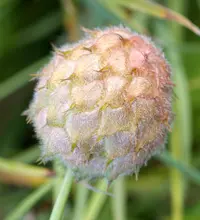
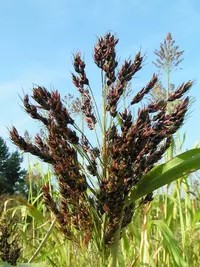
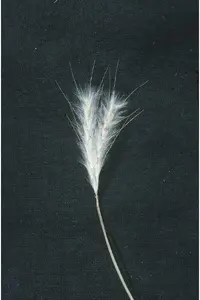
Its Latin name distachyos refers to the characteristic pair of closely set spike-like inflorescences, which give the flowering stems a distinctive two-rowed appearance compared with many tufted grasses.

Rocky habitat specialist

In nature it often colonizes dry, rocky slopes and shallow soils, showing a strong tolerance for low nutrients and high drainage that makes it useful in naturalistic and xeric plantings when you grow Andropogon distachyos.

FAQs about Mountain Andropogon

This species is a short-lived perennial grass. Clumps often persist for several years, renewing from the base each season. In colder climates, top growth dies back in winter, then returns from overwintering buds when conditions improve.

Grow Healthy Plants with Botan Care

Keep your plants happy and healthy with plant identification, disease detection, and easy care guidance.

Botan plant care app — identify plants on mobile

Explore More Plants