Encourage Dense Clumps
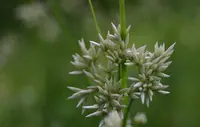
Lightly trim seed heads just as they finish flowering to encourage tighter tufting and reduce self-seeding into nearby beds when growing small fescue.

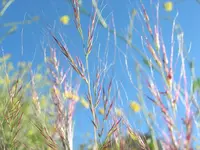
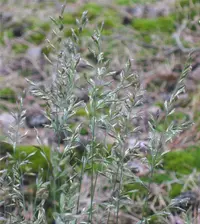
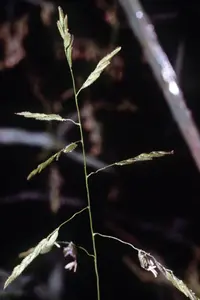
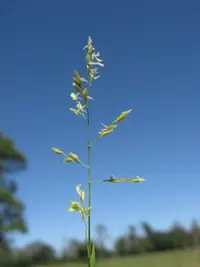
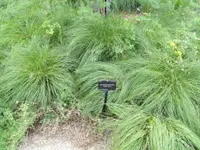
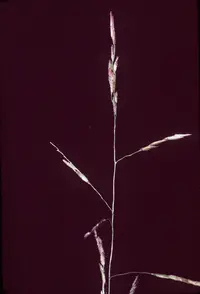
Festuca microstachys, commonly called small fescue, is a cool-season bunchgrass native to western North America. It typically forms fine-textured clumps with narrow, upright leaves and slender flowering stems.
In nature it grows in open grasslands, hillsides, and disturbed soils, showing good tolerance to drought and nutrient-poor substrates. This resilience makes it relatively easy to establish in low-input landscapes and restoration plantings.
Understanding how to care for small fescue starts with its preference for full sun, good drainage, and only occasional moisture once established. Its modest size and adaptable habit suit naturalistic gardens and meadow-style plantings.

Care Difficulty
Easy Care

Light Preference
Full Sun

Water Requirements
Low Water

Temperature Preference
Cold Hardy

Hardiness Zone
6–10

Soil Texture
Sandy, Loamy, Rocky

Soil pH
Slightly acidic (6.5–7.0), Neutral (7.0)

Soil Drainage
Well-drained

Fertilization
Minimal (feed rarely)
Scan your plant to receive care tips personalized for your specific plant
Available on iOS and Android
This cool-season bunchgrass prefers bright, open conditions that mimic its native grassland habitats.
This species prefers dry to moderately dry conditions and is sensitive to prolonged soil saturation.
This grass is adapted to regions with mild, wet winters and warm, dry summers.
This bunchgrass tolerates a wide humidity range and rarely needs special humidity management.
This species thrives in light, well‑drained mineral soils that do not stay wet.
This grass is suitable for container growing outdoors when drainage is strongly prioritized.
Festuca microstachys thrives in lean soils and usually needs only light feeding in managed plantings.
Pruning Festuca microstachys is minimal and mainly keeps the clump tidy and long-lived.
This species is more often grown in the ground, so care focuses on transplanting young clumps rather than frequent repotting.
Festuca microstachys is typically propagated by seed or division to maintain healthy, vigorous stands.
In most mild to cool climates, this small fescue is cold hardy and usually needs little special winter care.

Plant Health Check
Not sure what's wrong with your plant? Check your plant's health inside the app.
This species is an annual bunchgrass native to western North America, especially California, and completes its entire life cycle in a single growing season, unlike many other Festuca grasses that are perennial.
It naturally occurs from lowland valleys to montane slopes in habitats such as chaparral, coastal scrub, and open woodlands, showing strong adaptation to dry, nutrient-poor soils.
Small fescue often appears in early successional (early seral) plant communities, helping stabilize disturbed ground and create conditions that later allow longer-lived perennials to establish.

This species was historically one of the most widespread native annual grasses in parts of California grasslands but has been largely displaced in many areas by introduced Mediterranean grasses such as Bromus and Avena, making intact stands of small fescue a useful indicator of relatively undisturbed native habitat.
This bunchgrass is usually an annual or short-lived perennial, depending on climate and site conditions. In many gardens it behaves as an annual, relying on reseeding to persist rather than forming long-lived clumps.
Keep your plants happy and healthy with plant identification, disease detection, and easy care guidance.