Contain Rhizome Spread
Install a 20–30 cm deep plastic or metal root barrier around the planting area to keep rhizomes from invading nearby beds or lawn while still allowing a dense stand to form.

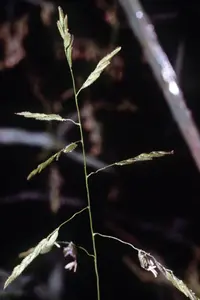
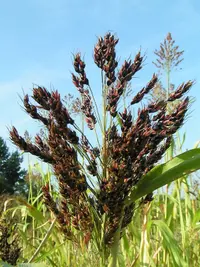
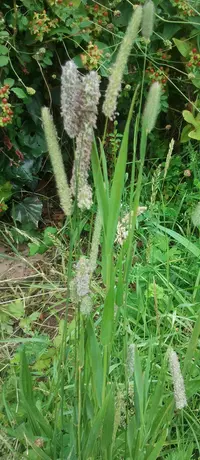
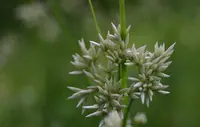
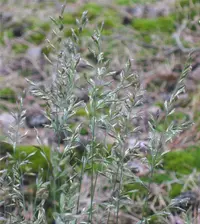
Rice cutgrass (Leersia oryzoides) is a perennial, spreading grass commonly found in wetlands, pond margins, and slow-moving streams. It forms dense colonies through creeping rhizomes. The plant has rough, often sharply edged leaves and stems that can feel abrasive, a key trait that gives it the common name cutgrass. Its airy flower clusters appear late in the growing season and provide cover and food for wildlife. This species thrives in consistently moist to wet soils and full sun to light shade, which guides how to care for rice cutgrass in gardens or restoration sites. Its toughness and tolerance of fluctuating water levels make it relatively easy in suitable conditions but poorly suited to dry locations.

Care Difficulty
Moderate Care

Light Preference
Full Sun

Water Requirements
Aquatic

Temperature Preference
Cold Hardy

Hardiness Zone
4–9

Soil Texture
Loamy, Clay, Silty

Soil pH
Acidic (5.5–6.5), Slightly acidic (6.5–7.0)

Soil Drainage
Waterlogged tolerant

Fertilization
Minimal (feed rarely)
Scan your plant to receive care tips personalized for your specific plant
Available on iOS and Android
This wetland grass prefers consistent brightness with some protection from harsh midday sun.
This species thrives in constantly moist to saturated conditions and handles shallow standing water well.
This hardy grass tolerates a wide temperature range but grows best in moderate warmth.
This wetland grass needs very high humidity and saturated conditions to thrive.
Leersia oryzoides grows best in heavy, water-retentive substrates that stay saturated or shallowly flooded.
This species adapts well to containers when they function as mini-bog or water-garden planters.
This wetland grass usually needs minimal feeding in nutrient-rich soils, but container or nutrient-poor plantings benefit from light fertilization.
Leersia oryzoides responds well to light, timely pruning to keep stands tidy and healthy.
This species is usually grown in the ground or water margins, so focus on dividing and transplanting clumps rather than frequent repotting.
Leersia oryzoides is most often propagated by division, but seed can also be used for larger projects.
This grass is generally cold hardy in much of the US and needs only modest winter care once established.

Plant Health Check
Not sure what's wrong with your plant? Check your plant's health inside the app.
This species is a perennial wetland grass native to much of North America and parts of Europe, often forming dense stands along pond margins, ditches, and slow streams where soils stay saturated or shallowly flooded.
Its seeds and tender shoots are eaten by waterfowl and other wetland birds, and its rhizome-forming growth habit creates cover and nesting habitat in marshes and riparian zones.
The plant spreads by creeping rhizomes that knit together saturated soil, so it is sometimes used in ecological restoration projects to stabilize shorelines and reduce erosion in freshwater wetlands.
This species spreads strongly by rhizomes and seed in wet soils and can form dense colonies. In managed gardens or restoration sites, use edging, containers, or regular digging and thinning to prevent unwanted spread into nearby areas.
Keep your plants happy and healthy with plant identification, disease detection, and easy care guidance.