Controlled Carpet Spread
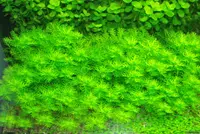
Plant small plugs 2–3 cm apart and periodically trim the tallest fronds to encourage a dense, low carpet rather than tall, sparse growth.

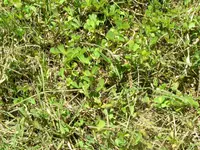
Rough waterclover (Marsilea hirsuta) is a small amphibious fern often used as a low carpet in aquariums and paludariums. It belongs to the Marsileaceae family and resembles a miniature clover when grown emersed. In nature, it occurs in wetlands, marsh edges, and periodically flooded areas, mainly in Australia but also naturalized elsewhere. The plant spreads by creeping rhizomes, forming dense mats that adapt to both submerged and shallow, damp conditions. Its flexible growth habit makes it relatively forgiving once established, though stable water conditions and clean substrates help greatly. Understanding how to care for Rough Waterclover starts with recognizing its preference for consistent moisture, moderate light, and nutrient availability.

Care Difficulty
Moderate Care

Light Preference
Partial Shade

Water Requirements
Aquatic

Temperature Preference
Warm Climate

Hardiness Zone
9–11

Soil Texture
Loamy, Silty, Organic-rich

Soil pH
Acidic (5.5–6.5), Slightly acidic (6.5–7.0)

Soil Drainage
Waterlogged tolerant

Fertilization
Light (every 4–6 weeks)
Scan your plant to receive care tips personalized for your specific plant
Available on iOS and Android
Marsilea hirsuta thrives in bright, indirect light with protection from harsh midday sun.
Marsilea hirsuta is a semi-aquatic plant that prefers consistently moist to submerged conditions rather than drying out.
This species prefers mild, stable temperatures and is sensitive to frost and extreme heat swings.
This semi-aquatic species prefers consistently high humidity around its leaves and substrate.
This plant grows best in a fine, waterlogged substrate that remains saturated but not foul.
This species is well suited to container culture, especially in shallow aquatic or paludarium setups.
This aquatic fern benefits from light, consistent nutrition rather than heavy feeding.
Marsilea hirsuta responds well to light pruning that maintains a low, dense carpet.
This species is usually grown as an aquarium groundcover and benefits from occasional thinning and replanting rather than frequent repotting.
Marsilea hirsuta is most commonly propagated by division of its creeping rhizomes and runners.
In most indoor aquariums, this plant needs minimal specific winter care as long as temperature and light remain stable.

Plant Health Check
Not sure what's wrong with your plant? Check your plant's health inside the app.
This species can produce completely different leaf shapes depending on whether it grows submerged or emersed, from low clover-like leaves above water to small, simple laminae under water. The change is a true heterophyllous response, meaning the plant alters its leaf morphology based on the environment.
Marsilea hirsuta forms a dense creeping mat through thin rhizomes that root at the nodes, which allows it to cover open mud or aquarium substrates efficiently. In aquaria under strong light and stable CO2, it often stays only a few centimeters tall and behaves like a foreground carpet plant.
The species name hirsuta refers to fine hairs on young leaves and petioles, a trait that helps trap a thin layer of air and water on emersed parts. These hairs can make the foliage look slightly velvety when grown above water.

Marsilea hirsuta belongs to a group of aquatic ferns that reproduce with specialized drought-resistant sporocarps, which can remain dormant in dry soil for long periods and then release spores when water returns, allowing the species to persist through seasonal drying of its habitats.
Brown leaves usually result from unstable water conditions, strong currents, or inadequate nutrients. Sudden changes in hardness or pH, low CO2, or excess algae shading can also damage leaf tissue. Remove damaged fronds and stabilize conditions.
Keep your plants happy and healthy with plant identification, disease detection, and easy care guidance.