Distichia muscoides Care

Distichia muscoides

About Distichia muscoides

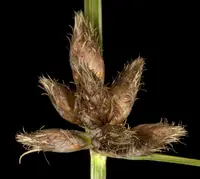
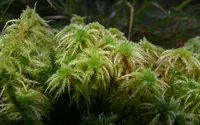
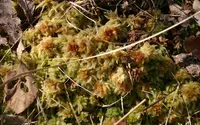
Distichia muscoides is a compact, cushion-forming plant in the rush family, adapted to cold, high-altitude wetlands in the central Andes of South America. It forms dense, moss-like mounds that stabilize saturated soils and create important microhabitats for other organisms.

In nature it grows in shallow, slow-moving water or waterlogged peat, tolerating intense sun, low temperatures, and low nutrient levels. These strong habitat preferences make it challenging to cultivate outside specialized collections or research settings, so how to care for Distichia muscoides is not straightforward for typical home growers.

It generally prefers very bright light, constant moisture, and cool, clean, acidic conditions resembling mountain bogs, rather than standard garden soil or indoor environments.

Main Plant Requirements

Care Difficulty

Hard Care

Light Preference

Full Sun

Water Requirements

Aquatic

Temperature Preference

Cool Climate

Hardiness Zone

Unknown

Soil Texture

Peaty, Organic-rich

Soil pH

Acidic (5.5–6.5)

Soil Drainage

Waterlogged tolerant

Fertilization

Minimal (feed rarely)

Get Personalized Care Plan

Scan your plant to receive care tips personalized for your specific plant

Available on iOS and Android

How to Care for the Distichia muscoides

This high-Andean cushion plant thrives in very bright, cool, open conditions with long daylight exposure.

  • Provide full sun for at least 6–8 hours per day in open, unshaded sites, similar to high-altitude moorlands.
  • Distichia muscoides tolerates light, passing clouds or brief partial shade, but prolonged shade leads to thinning cushions and reduced vigor.
  • Avoid intense lowland heat combined with all-day sun; in such climates, use morning sun with light afternoon filtering to reduce heat stress and desiccation.

This species is adapted to saturated, cold wetlands and depends on constant moisture around its root zone.

  • Maintain permanently wet conditions, ideally with shallow, slow-moving water or saturated, spongy substrate rather than intermittently drying soil.
  • If grown in controlled settings, do not let the surface dry; any browning tips, shrinking cushions, or gaps between clumps indicate insufficient moisture.
  • Yellowing, rotting bases, or foul smell in the substrate indicate stagnant, oxygen-poor conditions; improve water movement or aeration while keeping saturation.

This plant is naturally adapted to cold, high-altitude climates with modest temperature variation.

  • Optimal growth occurs in cool conditions around 40–60°F (4–16°C), with consistently moist, oxygenated water or substrate.
  • It tolerates light frosts and near-freezing temperatures down to about 25°F (-4°C) if not exposed to drying winds or severe ice formation.
  • Extended exposure above 70°F (21°C), especially with strong sun and low humidity, can cause stress, so provide cooler water and some heat moderation in warm seasons.

This high-Andean cushion plant demands very wet, cool, oxygenated conditions rather than typical indoor humidity management.

  • Aim for 80–100% humidity with constant saturation from flowing or frequently refreshed water, mimicking bog or stream-edge habitats.
  • It does not tolerate drying; crispy, shrinking cushions and browning shoot tips indicate humidity and moisture stress.
  • Use trays or basins with continuously moving or frequently changed water, avoiding stagnant, warm, or chlorinated water around the cushions.

Soil for Distichia muscoides should imitate cold, saturated, organic bog or stream-margin substrates.

  • Use a fine, peat- or sphagnum-based mix with added sand to create a dense yet fibrous, organic-rich medium that stays wet.
  • Keep the substrate permanently saturated but not anaerobic by allowing slow water flow or frequent water refresh to maintain oxygen around the roots.
  • Target slightly acidic to neutral conditions, around pH 5.5–7.0, avoiding alkaline mineral substrates that can restrict nutrient availability.
  • Do not use heavy clay, compacted garden soil, or barky, fast-drying mixes that break the cushion structure or allow the base to dry out.

This species is only marginally suitable for container growing and works best in specialized bog or flowing-water setups.

  • Use a wide, shallow, heavy container to support the low, spreading cushion and prevent tipping in outdoor wind exposure.
  • Set the pot inside a larger water reservoir or flow table so water can move slowly across the surface rather than sit stagnant.
  • Choose non-porous materials such as plastic or glazed ceramic to slow evaporation and keep the saturated substrate stable between water changes.

This high-Andean cushion species usually thrives in low-nutrient, waterlogged conditions and needs little to no added fertilizer in cultivation.

Pruning needs for Distichia muscoides are minimal and mostly limited to maintaining plant health and removing decline in cultivated patches.

  • Carry out light tidying in late winter or early spring, before strong new growth begins.
  • Use clean, sharp scissors to clip away dead, decaying, or algae-covered tufts without cutting into healthy cushions.
  • Remove any obviously diseased material and discard it, reducing spread in dense mats.
  • Avoid heavy cutting, which can open the cushion surface, dry inner tissues, and slow regrowth.

This cushion-forming bog plant is rarely grown in traditional pots, so management focuses on careful transplanting of small clumps.

  • Transplant during cool, mild weather, ideally in early spring, when growth is starting but heat stress is low.
  • Move only small, intact cushions, keeping roots and surrounding peat or moss undisturbed and constantly moist.
  • Replant at the same depth in acidic, saturated substrate, pressing gently to ensure close contact with the new medium.
  • Shade lightly and maintain steady water levels for several weeks to limit transplant shock and drying.

Propagation of Distichia muscoides is specialized and usually done by experienced growers or restoration projects, not casual home culture.

This species is naturally adapted to cold, high-elevation climates and usually needs no special winter protection in outdoor bog setups.

  • Ensure the root zone stays saturated, since freezing and thawing cycles are less damaging in consistently wet, peat-rich substrates.
  • Avoid containers that freeze solid; if used, sink them into the ground or an insulated bog bed for winter.
  • In very exposed sites, low windbreaks or surrounding vegetation can reduce desiccating winter winds across the cushions.

Care Tips

Simulate cushion mounds

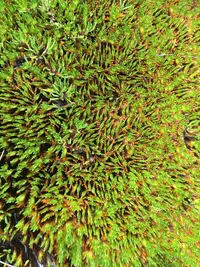
Plant in a wide, shallow, lined tray or basin so the stems can knit into a dense cushion, which stabilizes the root system and reduces drying of the central clumps.

Maintain constant saturation

Use a capillary mat or standing water reservoir just below substrate level to keep the root zone continuously saturated without submerging the foliage, which mimics its natural bog margins.

Use low‑nutrient medium

Prepare a substrate dominated by washed sand and fine gravel with only a small fraction of peat or coir, since high organic content leads to rot and weak growth in this species.

Cool water management

Irrigate with cool, dechlorinated water and avoid letting shallow containers overheat in direct sun, as warm, stagnant water stresses the plant and encourages algae growth.

Periodic substrate flushing

Every 4–6 weeks, flush the tray thoroughly with clean water to remove accumulated salts and fine debris, which supports healthier, longer‑lived cushions when growing Distichia muscoides.

Common Pests and Diseases

Algal overgrowth

Symptoms include dense green, brown, or black slimy mats forming among the cushions in nutrient‑enriched, slow‑moving water. This overgrowth competes strongly for light and can smother the compact shoots.

Solution

Reduce nutrient inputs by limiting fertilizer runoff, keep water moving gently, and if possible manually thin heavy algal mats without tearing the plant cushions. Long term management focuses on lowering dissolved nutrients and improving water circulation rather than using algicides, which can harm this species and associated wetland organisms.

Filamentous fungi

This disease appears as fine whitish or gray fungal growth on old, submerged stems and decaying leaf bases, especially in stagnant or contaminated water. This can weaken cushions and accelerate dieback under stress.

Solution

Improve water quality and flow, remove clearly decomposing or heavily colonized plant material, and avoid organic pollution such as livestock waste or excessive plant debris. In naturalistic or outdoor settings, practical control focuses on sanitation and hydrological improvement rather than fungicide use, which can disrupt the wetland community.

Aquatic invertebrate grazing

These insects and other small invertebrates feed on soft shoot tips and young tissue, leaving uneven nibbling damage and thinning patches. Heavy grazing pressure is most common in shallow, warm water zones with high invertebrate density.

Solution

Maintain slightly deeper or cooler water where feasible and avoid abrupt nutrient enrichment that can boost grazer populations. In managed beds, encourage predators such as aquatic insects and small fish and physically remove dense mats of herbivorous larvae rather than applying broad aquatic insecticides, which would damage the overall wetland balance.

Interesting Facts

High-Andean cushion builder

This species forms dense, compact cushions in high-altitude peatlands of the central Andes, where its growth habit helps stabilize saturated soils and reduces erosion in harsh alpine conditions.

Crucial water regulator

The cushion structure can store and slowly release water, making this plant a key component of Andean bofedales (high-altitude wetlands) that buffer stream flows and support grazing systems for camelids such as alpacas and llamas.

Specialized cold adaptation

Its low, tightly packed growth and small leaves reduce heat loss and wind exposure, allowing it to photosynthesize and persist in environments with intense solar radiation, strong winds, and frequent nighttime frost near or above 4,000 m elevation.

Botan icon

Did you know?

This species is considered an ecosystem engineer in Andean peatlands because its cushions create microhabitats that support a distinct community of mosses, lichens, invertebrates, and other specialized high-altitude plants.

FAQs about Distichia muscoides

This cushion-forming species spreads slowly by compact tuft expansion rather than runners. It forms dense, low mounds over many years and is not considered aggressive, though it can gradually carpet small, consistently wet areas under suitable conditions.

Grow Healthy Plants with Botan Care

Keep your plants happy and healthy with plant identification, disease detection, and easy care guidance.

Botan plant care app — identify plants on mobile

Explore More Plants