Caldwell's Clubrush Care (Bolboschoenus caldwellii)

Also known as: Sea club-rush
Caldwell's Clubrush

About Caldwell's Clubrush

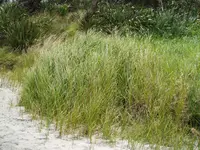
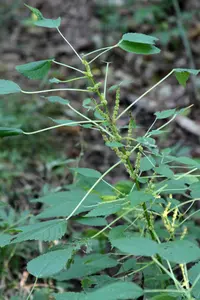
Caldwell's clubrush, Bolboschoenus caldwellii, is a perennial sedge found in wetlands, marshy edges, and shallow water in Australia and nearby regions. It forms dense clumps with upright, triangular stems and clusters of brownish spikelets near the top. The plant spreads by tough rhizomes, which helps it colonize muddy or periodically flooded areas. It is adapted to full sun, consistently wet conditions, and nutrient-rich, heavy soils. These traits make it robust in the right setting but unsuitable for dry gardens or small containers. Gardeners who care for Caldwell's Clubrush should plan for plenty of moisture and space for spreading growth.

Main Plant Requirements

Care Difficulty

Moderate Care

Light Preference

Full Sun

Water Requirements

Aquatic

Temperature Preference

Cool Climate

Hardiness Zone

7–11

Soil Texture

Sandy, Loamy, Silty

Soil pH

Slightly acidic (6.5–7.0), Neutral (7.0)

Soil Drainage

Waterlogged tolerant

Fertilization

Minimal (feed rarely)

Get Personalized Care Plan

Scan your plant to receive care tips personalized for your specific plant

Available on iOS and Android

How to Care for the Caldwell's Clubrush

This wetland sedge prefers bright, open conditions with ample direct light for strong growth.

  • Provide 6–8 hours of direct sun daily; full sun promotes dense stands and sturdy stems in most climates.
  • It tolerates light afternoon shade, especially in hotter regions, but flowering and vigor decline in deep or prolonged shade.
  • In summer, monitor for leaf scorch in exposed, drought-prone sites; in winter, Caldwell's Clubrush copes with low sun angles as long as the site stays unshaded.

This species is adapted to saturated soils and shallow standing water rather than periodic drying.

  • Aim for consistently wet to waterlogged conditions; in naturalistic plantings, allow 2–15 cm of standing water around the base.
  • If grown in soil without permanent flooding, do not let the top 1–2 cm dry out; leaves folding or browning at tips signal underwatering.
  • Limp, yellowing stems with a sour smell suggest low-oxygen, stagnant conditions; improve water movement or soil structure for Bolboschoenus caldwellii in such sites.

This rush-like sedge is hardy and tolerates a broad temperature range typical of temperate wetlands.

  • Active growth is strongest around 60–80°F (16–27°C); warmer conditions speed growth if water remains cool and abundant.
  • Mature plants usually survive brief drops to about 20°F (-6°C); crowns in saturated or muddy soil are better insulated than those in exposed, dry ground.
  • In hot periods above 90°F (32°C), deeper or moving water limits heat stress, while extreme cold below 14°F (-10°C) can damage unprotected rhizomes.

This wetland sedge prefers high humidity close to its natural marsh conditions.

  • Aim for 60–90% humidity, especially in warm weather, to keep foliage turgid and growth steady.
  • Plant Caldwell's Clubrush in or beside shallow water; air can be drier if roots stay constantly saturated.
  • Watch for browning tips, rolled leaves, and slowed growth as signs of low humidity stress, and group plants or use a nearby water tray to raise ambient moisture.

This species thrives in saturated, organic, fine-textured substrates rather than typical potting soil.

  • Use heavy loam or clay-rich soil mixed with 30–50% compost to mimic muddy, nutrient-holding marsh substrates for Bolboschoenus caldwellii.
  • Allow no real drainage in outdoor pond baskets or tubs; the soil should remain waterlogged or even submerged by 5–15 cm.
  • A pH of 6.0–7.5 suits this sedge; avoid strongly acidic or saline soils that impair nutrient uptake and root health.
  • Compact the soil gently to reduce air pockets, since this plant tolerates low aeration but declines in dry, loose, fast-draining mixes.

This marsh sedge can grow in containers if the setup imitates a permanently wet edge or shallow pond.

  • Choose a deep, sturdy tub or pond basket that can safely hold several liters of water without warping or tipping.
  • Place the container inside a larger watertight sleeve or pond so the water level can sit above the soil surface for long periods.
  • Use a solid-sided container rather than porous terracotta if standing outdoors, to slow water loss and maintain a stable flooded zone around the roots.

This wetland sedge usually needs little feeding when grown in nutrient-rich, naturalistic conditions.

  • In poor or artificial substrates, use a balanced, slow-release fertilizer (around 10-10-10) at low label rate in early spring.
  • Apply light supplementary feeding once more in mid-summer if growth is pale or weak, avoiding heavy applications that cause rank, floppy stems.
  • For container-grown Caldwell's Clubrush, use a half-strength balanced liquid feed in the water every 4–6 weeks during active growth only.
  • Stop all fertilization in late fall and winter, when the plant is dormant and nutrient demand is low.

Bolboschoenus caldwellii needs only light pruning to maintain tidy growth and remove spent material.

  • Cut back dead or damaged stems at the base in late winter or very early spring before new shoots emerge.
  • Thin crowded or leaning clumps by removing a few older stems to improve air movement and light penetration.
  • Use clean, sharp hand pruners or shears, disinfected with alcohol, to reduce disease spread in wetland settings.
  • Removing old flowering stems can slightly improve appearance but has limited effect on overall vigor or regrowth.

This species is usually grown in the ground or ponds, so management focuses on dividing and transplanting rather than frequent repotting.

  • Plan division or transplanting in early spring as new growth begins, when soil or pond margins are workable but not hot.
  • Look for dense, congested clumps, reduced shoot size, or rhizomes pushing above the soil as signs that relocation or division is useful.
  • Lift sections with a spade or fork, keeping root masses intact; immediately replant at the same depth into saturated, organic-rich soil.
  • Water newly moved plants thoroughly, keep roots constantly moist, and shade lightly for 1–2 weeks to limit transplant shock.

Bolboschoenus caldwellii is most reliably propagated by division, with seed used mainly in habitat or restoration projects.

  • Divide mature clumps in early spring, lifting a portion of rhizomes with several healthy shoots attached.
  • Trim damaged roots, then replant divisions at original depth in wet, organic soil, keeping them consistently saturated.
  • For seed, collect mature brown seed heads, dry them, and sow in shallow trays of wet, fine-textured substrate.
  • Maintain bright light, cool to mild temperatures, and constant moisture to support steady germination and early growth.

This hardy wetland sedge tolerates typical mild to moderate winters and usually needs minimal intervention.

  • In regions with freezing winters, allow foliage to die back naturally, then cut to near ground level in late winter.
  • Maintain adequate water around the root zone; do not let pond or bog substrates dry out completely during dormancy.
  • In very cold climates, apply a 5–8 cm mulch over crowns in exposed sites or move containers to a sheltered, unfrozen spot.

Care Tips

Rhizome Containment

Plant into a wide, bottomless container or rhizome barrier sunk into the pond margin or wet bed to prevent this vigorous sedge from spreading into unwanted areas while still allowing free water movement.


Water Level Management

Maintain a consistent shallow water layer around the crown (about 2–10 cm above soil level) during active growth, then lower the water level slightly in late autumn to discourage rot and ease access for maintenance.

Nutrient Zonation

Create a richer planting pocket for the root zone and surround it with lower-fertility substrate so the plant remains dense and healthy near its base without encouraging invasive spread into the whole pond or wetland area.

Clump Rejuvenation

Every 2–3 years, lift and divide congested clumps in late winter, discarding old woody centers and replanting only the firm, pale rhizome sections to keep stands vigorous and upright.

Habitat Hygiene

Remove dead culms and matted leaves at the end of the season to reduce overwintering sites for snails, aquatic insect pests, and fungal spores, which supports healthier stands when caring for Caldwell's Clubrush.

Common Pests and Diseases

Rice water weevil

This pest feeds on roots and underground parts of sedges in flooded or very wet soils, causing stunting and yellowing in dense stands. Symptoms include poor growth and thinning patches in managed wetlands or rice-adjacent habitats.

Solution

Reduce standing water depth or duration where possible, allow short drying periods in managed wetlands, and encourage natural predators such as aquatic beetles and spiders. In production or restoration settings, monitor larvae in soil cores and, if damage is high, adjust flooding schedules or rotate with less susceptible vegetation rather than relying on repeated chemical treatments.

Stem-boring moth larvae

This pest tunnels into culms and stems, weakening them and causing lodging, dead tops, or hollow, brittle shoots. Symptoms include small entry holes, frass (insect waste) near nodes, and stems that snap easily in wind or water flow.

Solution

Cut and remove infested stems before larvae complete development, and dispose of them away from the wetland or burn where permitted. Maintain diverse plant cover around stands to support predators and parasitoid wasps, and avoid unnecessary broad-spectrum insecticides that disrupt natural control in Bolboschoenus caldwellii plant care settings near crops or managed wetlands.

Smut fungus

This disease affects developing flower heads and seeds, replacing them with dark, powdery spore masses that reduce viable seed production. Symptoms include distorted spikelets, black or brown sooty masses, and reduced seed set in affected patches.

Solution

Remove and destroy heavily smutted inflorescences before spores disperse, especially in seed-production or restoration beds. Maintain good water movement and avoid overcrowding in managed stands, and use clean, disease-free seed when establishing new plantings to limit introduction of the pathogen.

Leaf spot

This disease causes small brown to dark olive spots on leaves that may coalesce into larger lesions, reducing photosynthetic area and weakening plants under stress. Symptoms include speckled foliage, premature leaf yellowing, and in severe cases partial dieback of above-ground shoots.

Solution

Improve water flow and reduce nutrient pollution, which lowers stress and makes plants less vulnerable to foliar pathogens. In dense or managed stands, periodically thin overcrowded clumps, remove heavily spotted leaf material, and avoid high-nitrogen runoff that favors soft, disease-prone growth when growing Caldwell's Clubrush.

Interesting Facts

Australian wetland specialist

This sedge is native to Australia and is strongly associated with freshwater and brackish wetlands, including seasonal floodplains, lake margins, and drainage lines, where it helps stabilize soft, silty soils.

Key waterbird food plant

The species produces starchy tubers and nut-like seeds that are eaten by a range of native Australian waterbirds, making it an important food resource in natural and constructed wetlands.

Tolerance of mild salinity

It naturally occurs in slightly saline as well as fresh habitats, which indicates a moderate tolerance to salinity that many other wetland sedges lack.

Botan icon

Did you know?

This species is frequently used in Australian wetland rehabilitation and stormwater biofiltration systems because its dense rhizome and root network improves bank stability, traps sediment, and contributes to nutrient removal in shallow water zones.

FAQs about Caldwell's Clubrush

This sedge can spread strongly by rhizomes and tubers in wet soils and may behave invasively outside its native range. Check local regulations, monitor its spread, and remove unwanted clumps before they form dense monocultures.

Grow Healthy Plants with Botan Care

Keep your plants happy and healthy with plant identification, disease detection, and easy care guidance.

Botan plant care app — identify plants on mobile

Explore More Plants