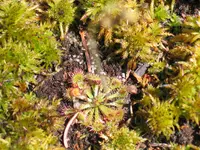
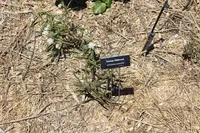
river bulrush Care (Bolboschoenus fluviatilis)

Also known as: marsh clubrush, river bulsedge, Freshwater club-rush
river bulrush

About river bulrush

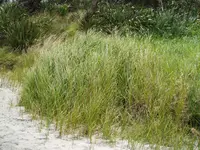
River bulrush, Bolboschoenus fluviatilis, is a perennial wetland sedge commonly found along rivers, lakeshores, and marsh edges in North America. It forms dense clumps of upright, triangular stems with tufted, brownish flower clusters near the top.

This species spreads by rhizomes, creating thick stands that stabilize shorelines and provide habitat for wildlife. It is adapted to saturated or shallowly flooded soils and tolerates fluctuating water levels.

For gardeners and land managers, it is useful in naturalized ponds, rain gardens, and restoration projects. Understanding how to care for river bulrush starts with recognizing its preference for full sun, consistently wet conditions, and nutrient-rich, muddy or silty substrates.

Main Plant Requirements

Care Difficulty

Moderate Care

Light Preference

Full Sun

Water Requirements

Aquatic

Temperature Preference

Cold Hardy

Hardiness Zone

3–9

Soil Texture

Sandy, Loamy, Silty

Soil pH

Acidic (5.5–6.5), Slightly acidic (6.5–7.0)

Soil Drainage

Waterlogged tolerant

Fertilization

Minimal (feed rarely)

Get Personalized Care Plan

Scan your plant to receive care tips personalized for your specific plant

Available on iOS and Android

How to Care for the river bulrush

This wetland species thrives in open, bright sites with long daily sun exposure.

  • River bulrush grows best in full sun with 6–10 hours of direct light, especially strong morning and midday sun.
  • It tolerates light partial shade (3–4 hours sun), but stems may elongate and flop if shaded by taller plants or shrubs.
  • In hot summers, some late-afternoon shade can reduce leaf scorch, while in cloudy, high-latitude climates it benefits from the brightest available exposure.

This emergent aquatic plant prefers soils that stay saturated rather than intermittently dry.

  • In natural or constructed ponds, keep Bolboschoenus fluviatilis with its roots submerged or soil consistently waterlogged, never allowing the substrate to dry out.
  • For bank or marsh plantings, soil should feel wet or mucky at all times; drying, cracked soil and drooping stems indicate underwatering.
  • Yellowing, soft, foul-smelling stems suggest stagnant, oxygen-poor conditions; improve water movement or reduce depth so rhizomes are not buried in deep anaerobic mud.

This species is a cold-hardy wetland sedge that handles a wide temperature range when rooted in stable, wet conditions.

  • Active growth occurs roughly between 60–80°F (16–27°C), with strongest shoot production in late spring and warm summer weather.
  • Plants tolerate winter lows near 5–10°F (-15 to -12°C) once established, dying back above ground while rhizomes overwinter safely under water or saturated soil.
  • Heat tolerance is good up to about 90–95°F (32–35°C) if water remains cool and abundant; combined heat and drying mud increase stress and can cause tip burn.

This wetland sedge requires very high humidity and constant moisture to stay healthy.

  • Aim for 70–100% humidity by keeping the root zone saturated or standing in shallow water.
  • It tolerates short dry-air periods if the soil stays waterlogged, but foliage may brown at tips in prolonged dryness.
  • Crisping leaves, slowed growth, and drooping stems indicate humidity stress; use water trays or small ponds to keep air and soil moist.

This species prefers saturated, organic-rich soil that mimics slow-moving river edges.

  • Use a heavy loam or clay-loam with 40–60% organic matter, such as garden topsoil mixed with compost or leaf mold.
  • Keep drainage extremely slow; the soil should stay waterlogged, suitable for a pond margin or consistently flooded container.
  • A slightly acidic to neutral pH of 6.0–7.0 supports nutrient uptake and healthy rhizome development in Bolboschoenus fluviatilis.
  • Avoid sandy, fast-draining, or highly compacted mixes; maintain a dense, fine-textured substrate that holds water yet allows some root aeration.

This species can be grown in containers if the setup allows constant, stable flooding.

  • Choose a wide, heavy tub-style container to prevent tipping as tall stems and dense clumps develop.
  • Use a liner or seal drainage holes so the container can hold standing water above the soil surface.
  • Position the container inside a larger water feature or basin to buffer temperature swings and keep water levels consistent for river bulrush care instructions.

This wetland native usually needs little feeding when grown in nutrient-rich mud or shallow water.

  • In poor or artificial ponds, apply a balanced slow-release aquatic fertilizer at the start of the growing season.
  • Use a low to moderate rate, at about 1⁄2 the label dose, to avoid excessive, floppy growth in river bulrush plantings.
  • Skip added fertilizer in fall and winter when growth slows or the plant is dormant.

Pruning Bolboschoenus fluviatilis focuses on tidiness and managing spread rather than shaping.

  • Cut back dead or winter-browned stems in late winter or very early spring before strong new growth starts.
  • Remove damaged, diseased, or badly lodged stems during the growing season using clean, sharp shears.
  • Thin crowded clumps at the edges to manage spread and maintain access or sightlines around water features.

Transplanting is mainly done to control spread or move clumps in managed wetlands or pond margins.

  • Plan moves in early spring or early fall when temperatures are mild and growth is slower.
  • Lift and divide congested clumps every 3–5 years, or when growth declines or stems become thin.
  • Replant divisions at the same depth into saturated soil or shallow water, firming soil gently around rhizomes.
  • Keep soil consistently wet after transplanting to limit root stress and support quick reestablishment.

Propagation of Bolboschoenus fluviatilis is most reliable by division, with seed used for larger restoration projects.

  • Divide mature clumps in early spring, cutting sections that include healthy rhizomes and several shoots.
  • Replant divisions into saturated soil or 2–10 cm of water, ensuring rhizomes are just covered.
  • For seed, sow fresh into shallow trays of wet sand or mud and keep constantly moist in bright light.

This cold-hardy wetland species usually needs minimal winter care in its outdoor range.

  • In ground, rhizomes tolerate freezing in most temperate climates without extra insulation.
  • Allow tops to die back naturally, then cut spent stems near the base in late winter or early spring.
  • For containers in very cold regions, move pots to a frost-free but cool, bright area and keep the substrate damp, not frozen.

Care Tips

Manage Water Depth

In ponds or containers, keep the crown just below the water surface and gradually increase water depth to 10–30 cm over several weeks to prevent shock and weak growth.

Contain Rhizome Spread

Plant in large, rimless baskets or fabric pond pots lined with a thin layer of topsoil to confine rhizomes while still allowing strong root development and easy lifting for maintenance.

Seasonal Thinning Routine

Each late winter or very early spring, cut back and remove last year’s dead stems and thin crowded clumps by lifting and dividing older sections to keep stands vigorous and prevent lodging in wind.

Bank Stabilization Planting

For erosion control, install small groups along shorelines on a staggered grid, spacing clumps 30–45 cm apart so roots interlock and form a dense, soil-holding mat over 1–2 seasons.

Nutrient Load Management

In nutrient-rich ponds or ditches, harvest and remove a portion of mature stems and foliage once or twice per season to export excess nutrients and prevent overly dense, top-heavy growth when growing river bulrush.

Common Pests and Diseases

Aphids

This pest feeds on tender shoots and inflorescences, sucking sap and causing distortion and sticky honeydew on stems and leaves. Symptoms include curling growth and sooty mold developing on the honeydew in dense stands.

Solution

For light infestations, spray plants with a strong stream of clean water to dislodge insects and reduce numbers. In larger stands, encourage or introduce natural predators such as lady beetles, and if needed use a low-toxicity insecticidal soap directed at the stems and shoot tips, avoiding overspray into surrounding water bodies.

Stem-boring midges

These insects lay eggs in young stems, and the larvae tunnel inside, causing swollen, weakened, or collapsed culms and poor seed head development. Symptoms include irregular stem bulges, dead shoot tips, and scattered lodging in dense river bulrush patches.

Solution

Remove and destroy visibly swollen, damaged, or prematurely dead stems to interrupt the larval life cycle. In managed wetlands or constructed ponds, reduce plant stress by maintaining stable water levels and avoid excess nitrogen, and only consider selective biological or targeted contact products labeled for aquatic use when damage is severe and consistent over several seasons.

Leaf spot

This disease produces small, water-soaked or tan lesions on leaves that can enlarge, merge, and cause premature browning and thinning of stands. Symptoms include scattered dead patches on older foliage, especially during warm, humid periods with long leaf wetness.

Solution

Remove and dispose of heavily spotted or dead foliage to reduce the amount of infectious material, especially at the end of the growing season. Improve water movement and spacing where possible so leaves dry more quickly, and in high-value plantings follow labeled aquatic-safe fungicide programs only if cultural steps do not limit spread.

Rust

This disease causes orange to brown powdery pustules on both sides of leaves and stems, leading to reduced vigor and early leaf death in dense, slow-moving water habitats. Symptoms include fine orange dust on fingers when leaves are touched and gradual thinning of the stand.

Solution

Cut back and remove infected foliage from the site before overwintering spores develop, and avoid leaving thick plant debris that can harbor the pathogen. Improve air movement across the stand where feasible, and in controlled plantings consider rotating with non-host emergent species if rust becomes a repeated problem.

Interesting Facts

North American specialist

This sedge-like wetland plant is native to North America and is especially common along slow-moving rivers, prairie potholes, and shorelines in the northern Great Plains and upper Mississippi River basin.

Tubers for waterfowl

It produces underground tubers that are an important food source for ducks and geese, particularly migrating waterfowl that forage in shallow wetlands.

Strong river bank stabilizer

Dense stands form tough rhizome and root networks that help stabilize riverbanks and reduce shoreline erosion in flood-prone habitats.

Botan icon

Did you know?

This species often dominates in seasonally flooded wetlands where water levels fluctuate, forming nearly monospecific stands that can significantly influence sediment deposition patterns and local wetland structure.

FAQs about river bulrush

This rhizomatous wetland sedge spreads quickly by underground stems and self-seeding in shallow water or saturated soil. In gardens or small ponds, use physical barriers or containers and remove unwanted shoots regularly to prevent it from becoming dominant.

Grow Healthy Plants with Botan Care

Keep your plants happy and healthy with plant identification, disease detection, and easy care guidance.

Botan plant care app — identify plants on mobile

Explore More Plants