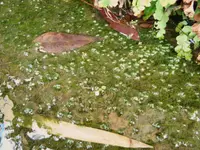
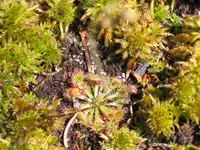
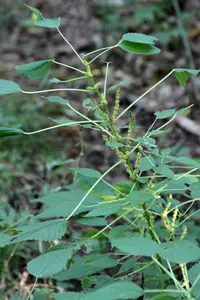
Agardh's red weed Care (Agardhiella subulata)

Agardh's red weed

About Agardh's red weed

Agardh's red weed (Agardhiella subulata) is a marine red alga found in shallow coastal waters, often attached to rocks, shells, or other seaweeds. It forms soft, branching, reddish to purplish clumps that sway with water movement.

This species occurs mainly along the western Atlantic, including parts of the US East Coast and the Gulf of Mexico. It is adaptable to varying water movement and salinity, which generally makes it resilient in stable marine setups.

For hobbyists who want to care for Agardh's red weed, the key traits are its preference for clean, well-oxygenated seawater, moderate light, and secure attachment points rather than soil or substrate.

Main Plant Requirements

Care Difficulty

Moderate Care

Light Preference

Partial Shade

Water Requirements

Aquatic

Temperature Preference

Warm Climate

Hardiness Zone

Unknown

Soil Texture

Loamy

Soil pH

Slightly acidic (6.5–7.0)

Soil Drainage

Waterlogged tolerant

Fertilization

Minimal (feed rarely)

Get Personalized Care Plan

Scan your plant to receive care tips personalized for your specific plant

Available on iOS and Android

How to Care for the Agardh's red weed

This marine red alga requires consistent, bright aquatic light to photosynthesize effectively.

  • Provide 8–12 hours of strong, diffuse light daily, using full-spectrum aquarium lighting or natural bright conditions in shallow, clear water when growing Agardh's red weed.
  • Avoid intense, direct midday sun in very shallow setups, which can cause bleaching; morning sun or filtered afternoon light through water is safer.
  • In winter or overcast periods, extend artificial lighting by 2–4 hours to compensate for shorter days and prevent weak, elongated fronds.

This seaweed depends on stable, well-oxygenated seawater rather than soil-based watering.

  • Maintain constant submersion in clean, gently moving seawater; avoid periods of exposure where fronds dry or are left in stagnant pools.
  • Ensure salinity and water movement are stable, since Agardhiella subulata responds poorly to sudden changes that stress tissue and invite decay.
  • Watch for dark, mushy sections as a sign of poor water quality or low flow; pale, slow-growing fronds may indicate insufficient nutrients or circulation.

This species performs best in cool to warm temperate seawater with stable conditions.

  • Aim for 59–72°F (15–22°C) for steady growth, keeping temperature swings within 3–4°F (2°C) per day to reduce stress.
  • Tolerates short dips to about 50°F (10°C) but prolonged exposure below this slows metabolism and can damage tissue.
  • Avoid sustained temperatures above 77–82°F (25–28°C), which increase respiration, lower dissolved oxygen, and raise the risk of tissue breakdown.

This marine red alga prefers consistently high humidity, similar to coastal or aquarium environments.

  • Aim for 70–100% humidity by submerging or partially submerging fronds in saltwater rather than exposing them to room air.
  • Dry air leads to fading color, brittle texture, and frond tip dieback, indicating dehydration stress.
  • Increase humidity by using closed or semi-closed marine setups, covers, or lids that trap moisture around Agardh's red weed.

As a marine macroalga, this species does not use soil and instead anchors to submerged hard surfaces.

  • Grow Agardhiella subulata attached to rock, shell, or artificial reef structures rather than in any terrestrial potting mix.
  • Provide clean, well-circulated seawater with stable salinity and avoid fine sediments that could settle and smother the algal tissue.
  • Maintain slightly alkaline water conditions, typically pH 8.0–8.4, similar to natural marine habitats.
  • Improve anchorage and water flow by using porous live rock or textured ceramic media that allow water to move freely around the thalli.

This macroalga is suitable for container culture in marine tanks or dedicated seawater tubs.

  • Choose a wide, shallow marine container that allows horizontal spread while keeping all tissue fully submerged for stable hydration.
  • Ensure strong but gentle water movement so fronds do not accumulate debris or stagnate near corners of the container.
  • Use heavier rock or weighted bases in the container so the alga remains stable and does not float into filter intakes or overflows.

This marine red alga absorbs most nutrients directly from the water and usually does not need supplemental fertilization.

Pruning needs for Agardhiella subulata are minimal and mainly hygiene-related.

  • Inspect thalli during active growth and remove any decayed, bleached, or fouled sections by hand.
  • Use clean scissors for thicker branches, making smooth cuts to limit tissue damage and secondary infections.
  • Thin congested clumps slightly if light penetration or water flow is reduced around the algal mass.
  • Discard removed material away from culture tanks to avoid contamination or unwanted spread.

This species is rarely container-grown, so management focuses on repositioning or thinning algal mats rather than true repotting.

  • Transplant or thin clumps when growth slows, mats detach, or dense layers restrict water movement or light.
  • Choose mild, stable conditions for moving material, avoiding strong temperature or salinity shifts on the same day.
  • Gently detach portions, keeping holdfasts or attachment points intact where possible to reduce stress.
  • Re-anchor fragments to clean substrate or culture lines, then maintain stable flow and moderate light while they re-establish.

Agardhiella subulata is commonly propagated by division of existing thalli rather than by spores or sexual reproduction in cultivation.

  • Divide healthy, branching sections during peak growth when water temperature and light are stable.
  • Select firm, unbleached pieces and cut them into manageable fragments using clean scissors or a sharp blade.
  • Attach fragments to rocks, mesh, or culture lines with soft ties or biodegradable thread so they stay in place.
  • Maintain adequate water movement, moderate light, and stable salinity to encourage rapid attachment and new branch formation.

As a marine alga, this species experiences seasonal temperature changes in the water column but usually needs no specific winter protection in natural habitats.

  • In outdoor culture in colder regions, monitor water temperature to avoid extended exposure below local tolerance limits.
  • If grown in tanks, adjust systems gradually as seasons change, avoiding sudden winter temperature or salinity shifts.
  • For Agardh's red weed in controlled culture, maintain stable aeration and clean conditions, as weak winter light can slow recovery from stress.

Care Tips

Anchor To Substrate

Use fine elastic netting or soft plant ties to secure fronds to small pieces of porous rock or shell so the holdfast area can attach and the algae is not lifted or tumbled by water movement.

Optimize Water Flow

Position clumps in moderate, laminar flow rather than in direct pump outflow so fronds sway gently, which improves gas exchange and nutrient contact without tearing the tissue.

Staggered Harvesting

Remove only 20–30% of the biomass at a time from the outer portions of each clump, leaving central growth untouched so the colony can regenerate steadily and maintain stable nutrient uptake.

Light Acclimation Routine

When increasing light intensity, raise the PAR in small steps over 7–10 days and observe for bleaching at frond tips, shifting the algae slightly lower or to shaded rock if pale areas appear.

Quarantine New Stock

Hold any new red algae in a separate, fully cycled tank for 2–3 weeks to observe for nuisance hitchhikers such as filamentous algae or flatworms before adding it to a main display for growing Agardh's red weed.

Common Pests and Diseases

Epiphyte overgrowth

Symptoms include heavy coating of other algae, bryozoans, or small tube worms on the fronds, which reduces light penetration and gas exchange. This condition weakens the thallus and slows growth.

Solution

Limit excessive nutrients in the system, increase gentle water movement, and manually remove heavily fouled portions using soft gloved hands or tweezers. For display aquaria, consider short, controlled exposure to slightly elevated flow or temporary relocation to a lower-fouling tank section while maintaining stable salinity and temperature as part of Agardhiella subulata care.

Grazing by amphipods

These crustaceans can chew on soft tissue, creating ragged edges and thinning of the fronds, especially at night. This pest often proliferates in systems with abundant detritus and hiding spaces.

Solution

Reduce excess organic debris through careful siphoning and moderate feeding, then trap or physically remove amphipods using baited traps or manual capture. Provide alternative algal or prepared foods to divert grazing pressure and maintain stable refuges for natural predators such as small wrasses if compatible with the system.

Marine fungal infection

This disease appears as localized soft, slimy, or discolored patches on the thallus, often following mechanical damage or stress. Symptoms include tissue collapse and sloughing in affected zones.

Solution

Trim out infected or damaged fronds with clean scissors, removing all visibly affected tissue from the system. Improve circulation, avoid abrupt changes in salinity or temperature, and keep the plant free of decaying organic matter to reduce fungal pressure; consider short, carefully controlled antiseptic dips (such as diluted iodine formulated for marine use) on affected sections outside the main tank.

Bacterial thallus decay

This disease causes rapid softening and breakdown of sections of the algae, often starting at injured areas or points of abrasion. Symptoms include a foul odor and cloudy water near decaying tissue in severe cases.

Solution

Promptly remove decaying portions with sterile tools and discard outside the aquarium, then perform a partial water change and increase gentle flow around remaining healthy fronds. Maintain stable parameters, avoid overcrowding macroalgae, and limit nutrient spikes to reduce opportunistic bacterial growth.

Filamentous algae smothering

This pest algae forms fine green or brown filaments that entangle and shade the fronds, restricting light and gas exchange. Symptoms include slowed growth, pale coloration, and trapped detritus around the plant.

Solution

Manually twirl and pull out filamentous strands, ideally during regular maintenance, and reduce excess nutrients by adjusting feeding and improving export methods such as protein skimming or refugium management. Increase moderate water flow around the plant and optimize light intensity and duration so the desired macroalga outcompetes nuisance filaments while avoiding light levels that strongly favor the pest algae.

Interesting Facts

Warm-temperate specialist

This red alga is native to warm-temperate western Atlantic coasts, especially common from the mid-Atlantic United States into the Gulf of Mexico, where it often forms dense subtidal mats on shallow hard substrates.

Epiphytic growth habit

It frequently grows as an epiphyte, attached to other seaweeds such as seagrass blades or larger macroalgae, using their surfaces as a platform rather than anchoring directly to rock or sediment.

Filament structure details

Its fronds are made of repeatedly branched cylindrical filaments only a few cells thick, and the inner medullary cells and outer cortical cells can be distinguished clearly under a microscope, which aids algal taxonomists in identification.

FAQs about Agardh's red weed

This marine red alga can be kept in containers such as marine refugiums or display tanks if salinity, water flow, and nutrients are stable. Provide strong light and moderate water movement to prevent decay and detachment.

Grow Healthy Plants with Botan Care

Keep your plants happy and healthy with plant identification, disease detection, and easy care guidance.

Botan plant care app — identify plants on mobile

Explore More Plants