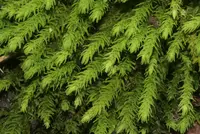
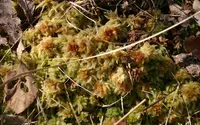
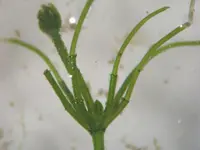
sphagnum Care (Sphagnum squarrosum)

Also known as: Crome Sphagnum, Spiky Bog-moss, Shaggy Peatmoss
sphagnum

About sphagnum

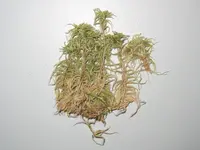
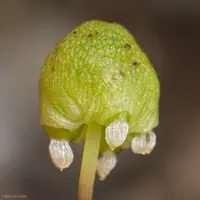
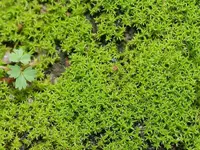
Sphagnum squarrosum is a moss species that forms loose, bright green carpets in consistently wet places. It produces soft, springy mats made of many tiny overlapping stems and leaves.

This moss occurs naturally in cool, moist habitats such as bogs, stream edges, and wet woodland floors across parts of the Northern Hemisphere. It thrives in acidic, nutrient-poor conditions and stays healthy as long as moisture is constant.

Because it has no true roots and dries out quickly, it can be more challenging to keep alive indoors than typical houseplants. Anyone wanting to learn how to care for sphagnum should focus on stable moisture, gentle light, and good air movement.

Main Plant Requirements

Care Difficulty

Moderate Care

Light Preference

Partial Shade

Water Requirements

Aquatic

Temperature Preference

Cool Climate

Hardiness Zone

3–8

Soil Texture

Peaty, Organic-rich, Silty

Soil pH

Strongly acidic (4.5–5.5)

Soil Drainage

Waterlogged tolerant

Fertilization

Minimal (feed rarely)

Get Personalized Care Plan

Scan your plant to receive care tips personalized for your specific plant

Available on iOS and Android

How to Care for the sphagnum

This moss prefers low to moderate light that mimics shaded, boggy habitats.

  • Provide bright shade or dappled light, such as under grasses or low shrubs, with 1–3 hours of gentle morning sun and no harsh afternoon sun.
  • Allow partial shade to full shade outdoors; direct midday sun can scorch sphagnum tips, causing bleaching and crispy, brown patches.
  • In summer, protect from long, intense sun by using taller companion plants; in winter, increased indirect light is acceptable if moisture stays high.

This species thrives in constantly wet, low-oxygen substrates, similar to natural bog conditions.

  • Keep the substrate saturated so it feels spongy and never let the top 1–2 cm dry; pooled, shallow standing water is normal for Sphagnum squarrosum.
  • Watch for underwatering signs such as shrinking, dull, or brittle shoots; healthy moss stays plump, springy, and vividly green or yellow-green.
  • Overly stagnant, foul-smelling water indicates poor conditions; improve gentle water movement or refresh water while avoiding strong flow that physically disturbs the cushions.

This moss favors cool, moist climates but tolerates a fairly wide temperature range in the landscape.

  • Aim for active growth around 50–68°F (10–20°C); it remains stable but slower up to about 72°F (22°C) if moisture and shade are maintained.
  • Tolerates brief drops close to 23°F (-5°C) when well hydrated, but repeated hard freezes with drying winds can damage exposed cushions.
  • In hot spells above 77–82°F (25–28°C), increase shade, humidity, and water depth to avoid overheating and desiccation, especially in shallow bog setups.

This moss needs very high, constant humidity to stay actively growing and green.

  • Maintain 70–95% humidity using misting, covered trays, or a humid terrarium-style setup.
  • It tolerates brief drops to 50–60% but dries quickly in heated indoor air and growth stalls.
  • Crisping tips, fading color, and shrinking cushions indicate humidity stress; use water trays, closer spacing, or partial covering to trap moisture.

This species grows best in saturated, highly organic, low-nutrient substrates that mimic bog conditions.

  • Use a loose, fibrous medium such as live or dried sphagnum over a base of peat and fine bark, avoiding dense garden soil.
  • Aim for very slow-draining but constantly wet conditions, with water sitting just below or at the surface of the substrate.
  • Keep pH on the acidic side, roughly 4.0–5.5, by using peat-based materials and avoiding lime or alkaline amendments.
  • Improve aeration by keeping the moss layer raised on mesh or coarse fibers so water can move underneath without compacting the growing mat.

This moss is well-suited to shallow containers and trays when moisture is carefully controlled.

  • Choose wide, shallow trays so the mat can spread horizontally while water levels stay easy to monitor.
  • Use a watertight outer tray with an inner perforated liner so excess water can be adjusted without disturbing the moss surface.
  • Prefer plastic or glazed ceramic containers, which slow evaporation and help keep a consistently saturated substrate compared with porous clay.

This moss is adapted to nutrient-poor habitats and needs almost no added fertilizer in cultivation.

Sphagnum squarrosum requires only light grooming rather than structured pruning.

  • Best timing is during active growth in spring–summer, when the moss recovers fastest.
  • Pinch or trim off browned, dead, or contaminated patches using small scissors or precision snips.
  • Removing old or shaded stems encourages fresh, upright heads and maintains a compact, even carpet.
  • Discard trimmed material away from water bodies to avoid spreading unwanted fragments.

Transplanting is mainly needed when the colony outgrows its tray or substrate becomes compacted.

  • Check for signs such as slow spread, waterlogging, or a dense, sour-smelling base layer.
  • Transplant in spring or early summer, every 1–3 years, when temperatures are mild and growth is active.
  • Gently lift living green tops, keeping short stem sections attached, and place them onto fresh, acidic, water-retentive medium.
  • Keep the moss evenly moist with low-mineral water after moving to reduce stress and promote quick re-establishment.

New colonies are most often produced by vegetative division of healthy Sphagnum squarrosum mats.

  • Best season is spring–summer, when warmth and steady moisture promote rapid new tip growth.
  • Tear or cut the living green layer into small plugs, each with several growing heads.
  • Press plugs onto clean, saturated, acidic medium and mist thoroughly with low-mineral water.
  • Maintain high humidity, bright indirect light, and stable moisture until plugs knit together into a continuous carpet.

This moss is generally cold hardy and needs minimal winter care outdoors in suitable climates.

  • Tolerates light to moderate frost when kept consistently moist and not exposed to drying winds.
  • In very cold regions, sink trays into the ground or surround containers with insulating mulch.
  • Move small containers into a cool, bright, frost-free area if deep, prolonged freezes below about 15–20°F are expected.

Care Tips

Use Shallow Trays

Grow colonies in wide, shallow trays or basins with 2–4 cm of water at one end so the moss can choose its own moisture level and naturally form dense, healthy cushions.

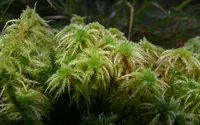
Provide Cool Root Zone

Place trays on a shaded, cool surface (such as a stone slab or unheated tile) to keep the root zone several degrees cooler than the air, which supports compact, vigorous growth.

Segment And Reset

Every 6–12 months, lift the healthiest green tips, discard brown, compacted bases, and re-lay the fresh segments on clean substrate to maintain aeration and prevent gradual decline.

Flowing Water Setup

For advanced growing sphagnum, use a very slow recirculating pump to create gentle water movement across a sloped tray, which reduces stagnation, algae buildup, and anaerobic spots.

Monitor Water Minerals

Rotate between rainwater and low-mineral distilled water and regularly check for white crusts on container edges, replacing all water if buildup appears to avoid mineral stress over time.

Everything About sphagnum

Common Pests and Diseases

Fungus gnat larvae

This pest often appears in constantly wet, organic sphagnum substrates and feeds on decaying material and tender moss tissues. Symptoms include thinning mats, weak new growth, and small black flies hovering above the moss surface.

Solution

Reduce excess nutrient buildup by rinsing the moss with clean, low-mineral water and avoid adding fertilizers or organic debris. Improve air movement, let surface moisture drain well between waterings, and if larvae persist, submerge the moss briefly in water to flush them out or apply a biological control containing Bacillus thuringiensis israelensis according to label directions.

Slugs and snails

These insects graze on lush, wet sphagnum cushions, especially in outdoor or greenhouse culture. Symptoms include irregularly chewed patches, missing tips, and slime trails on or around the moss.

Solution

Hand-pick slugs and snails during the evening or early morning and reduce hiding spots such as dense debris or pots pressed tightly together. For persistent problems, use barriers like copper tape around trays or place iron phosphate bait nearby, keeping it off the moss surface itself.

Algal overgrowth

This disease appears when water is nutrient-rich and light is strong, allowing green or brown algae to form a film over the moss. Symptoms include a slick, shiny coating on stems and leaves, slowed sphagnum growth, and local dieback where algae smother the cushions.

Solution

Rinse the moss thoroughly with soft, low-nutrient water and discard any obviously smothered sections. Reduce dissolved nutrients by avoiding fertilizer, provide moderate instead of intense light, and increase gentle water movement or drainage so water does not stagnate on the surface.

Cyanobacterial slime

This disease occurs in very wet, low-flow conditions and creates dark blue-green to black, gelatinous films that cover and suffocate sphagnum shoots. Symptoms include slippery patches, foul odor, and rapid decline of buried moss tips.

Solution

Care for this issue follows general sphagnum care instructions: physically remove slime-covered tufts, then increase water exchange and aeration while keeping the moss wet but not stagnant. Use only rain, distilled, or reverse-osmosis water with low nutrients, and thin dense mats so more air and light reach the lower layers.

Grey mold (Botrytis)

This disease develops in poorly ventilated, humid setups where dead plant fragments remain on the moss. Symptoms include soft, browning areas that quickly develop a grey, fuzzy mold, especially on shaded, saturated parts of the mat.

Solution

Promptly remove and dispose of affected clumps and any decaying plant material, then increase airflow and reduce prolonged surface wetness by improving drainage and spacing trays. In severe indoor cases, a targeted fungicide labeled for moss or ornamentals may be used sparingly after adjusting humidity and ventilation to prevent recurrence.

Interesting Facts

Distinctive squarrose leaves

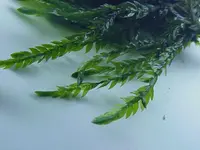
This moss has leaves that bend sharply outward and downward from the stem, a squarrose arrangement that gives cushions a rough, prickly texture compared with many other Sphagnum species.

Preference for mineral-rich sites

Unlike many peat-forming Sphagnum species that dominate very acidic bogs, this species often occurs in moderately acidic to slightly base-rich fens, wet woodlands, and along streams where mineral input from groundwater is higher.

Indicator of groundwater influence

Because it favors damp habitats with moving, mineral-influenced water, its presence can indicate locations where groundwater seeps or slow-flowing stream margins maintain consistently moist and cool conditions.

Botan icon

Did you know?

This species is frequently used in bryological field keys as a textbook example of a squarrose Sphagnum, because its strongly bent leaves and coarse appearance make it one of the more easily recognizable peat mosses even for beginners.

FAQs about sphagnum

Growth is slow to moderate. In consistently moist, cool conditions it may extend 2–5 cm per year. Growth slows sharply if humidity drops, water becomes stagnant, or light and airflow are poor when growing sphagnum in containers.

Grow Healthy Plants with Botan Care

Keep your plants happy and healthy with plant identification, disease detection, and easy care guidance.

Botan plant care app — identify plants on mobile

Explore More Plants