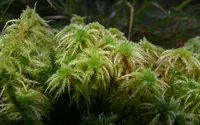





Best Soil for sphagnum (Sphagnum squarrosum)

For healthy growth, Sphagnum squarrosum needs an acidic, moisture-retentive substrate that stays airy enough to support steady root function.

Soil Texture

Peaty, Organic-rich, Silty

Soil pH

Strongly acidic (4.5–5.5)

Soil Drainage

Waterlogged tolerant

Sphagnum squarrosum Soil Guide

Native across cool temperate parts of Europe, Asia, and North America, Sphagnum squarrosum grows in bogs, fens, wet woodland, and seepy ground. Those habitats stay consistently wet, low in nutrients, and strongly acidic, which explains the best soil for sphagnum.

Rather than relying on deep roots, this moss absorbs moisture across its tissues and forms dense, moisture-holding mats. It prefers peaty, organic-rich, slightly silty substrate that stays saturated yet still has some air spaces. That balance supports constant moisture without turning the substrate into dense, stagnant mud.

A custom mix helps keep moisture levels more even around Sphagnum squarrosum while avoiding a flat, sealed surface.

100% total mix = 20 scoops
10%
perlite2 scoops
15%
silica sand3 scoops
25%
composted pine bark fines5 scoops
50%
milled peat moss or fine sphagnum peat10 scoops

The finished blend should feel soft, light, and springy, with slow movement of water rather than a fast, sharp runoff.

Sphagnum squarrosum prefers strongly acidic soil, around 4.5–5.5 pH. In that range, nutrient availability stays closer to what this species is adapted to in naturally acidic wetland substrates.

If pH rises much above that, some minerals can become more available than the plant prefers while others are taken up less efficiently. A consistently acidic root zone usually supports steadier growth than frequent pH swings.

This species is sensitive to shifts in substrate condition, especially when the surface changes texture or chemistry too quickly.

Compaction:

Compaction: If the surface becomes dense, flat, or crusty, gently replace the top layer with a looser medium so air can move through it again.

Mineral buildup:

Mineral buildup: A pale crust or stiffened texture can point to salt accumulation, so flush with suitable low-mineral water and reassess the substrate source.

Alkaline drift:

Alkaline drift: If sphagnum gradually declines in an otherwise stable setup, check whether hard water or lime-containing materials may be raising pH.

Stale mix:

Stale mix: When the medium stays matted and sour-smelling, refresh it with a cleaner, more open blend instead of repeatedly pressing it back down.

Find the Right Soil

Botan helps match this species to a more suitable substrate by combining plant ID with soil guidance that fits its growth habits.

FAQ

Drainage holes are still useful because they let excess water leave when conditions become too saturated or stale. The goal is a consistently moist root zone, not trapped, stagnant water at the container base.

More Plant Soil Guides

Scan for Soil Problems

Use Botan’s photo-based assessment to check whether a visible issue may be linked to substrate condition, not just general care.

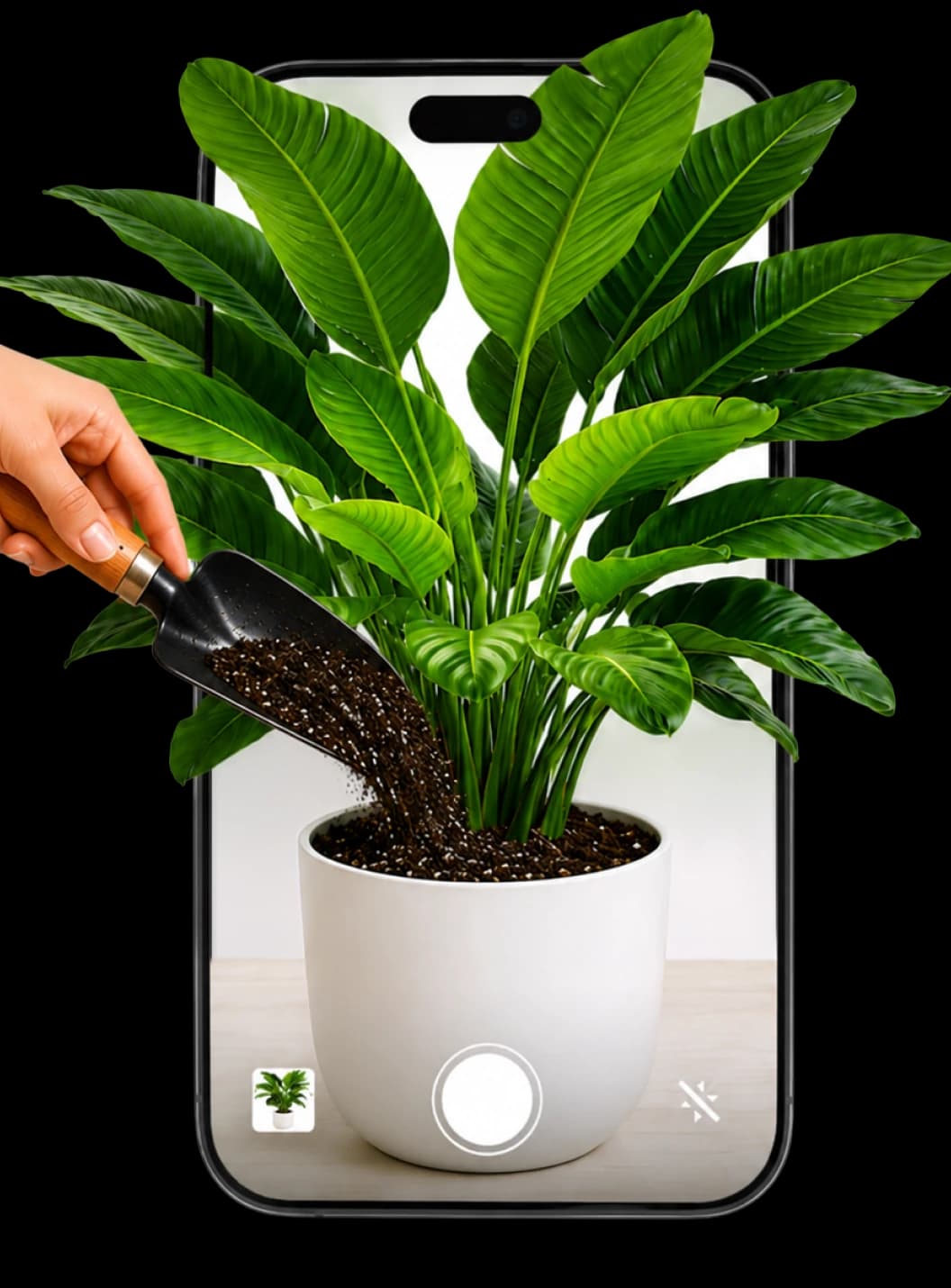
Botan app helping with soil and plant care
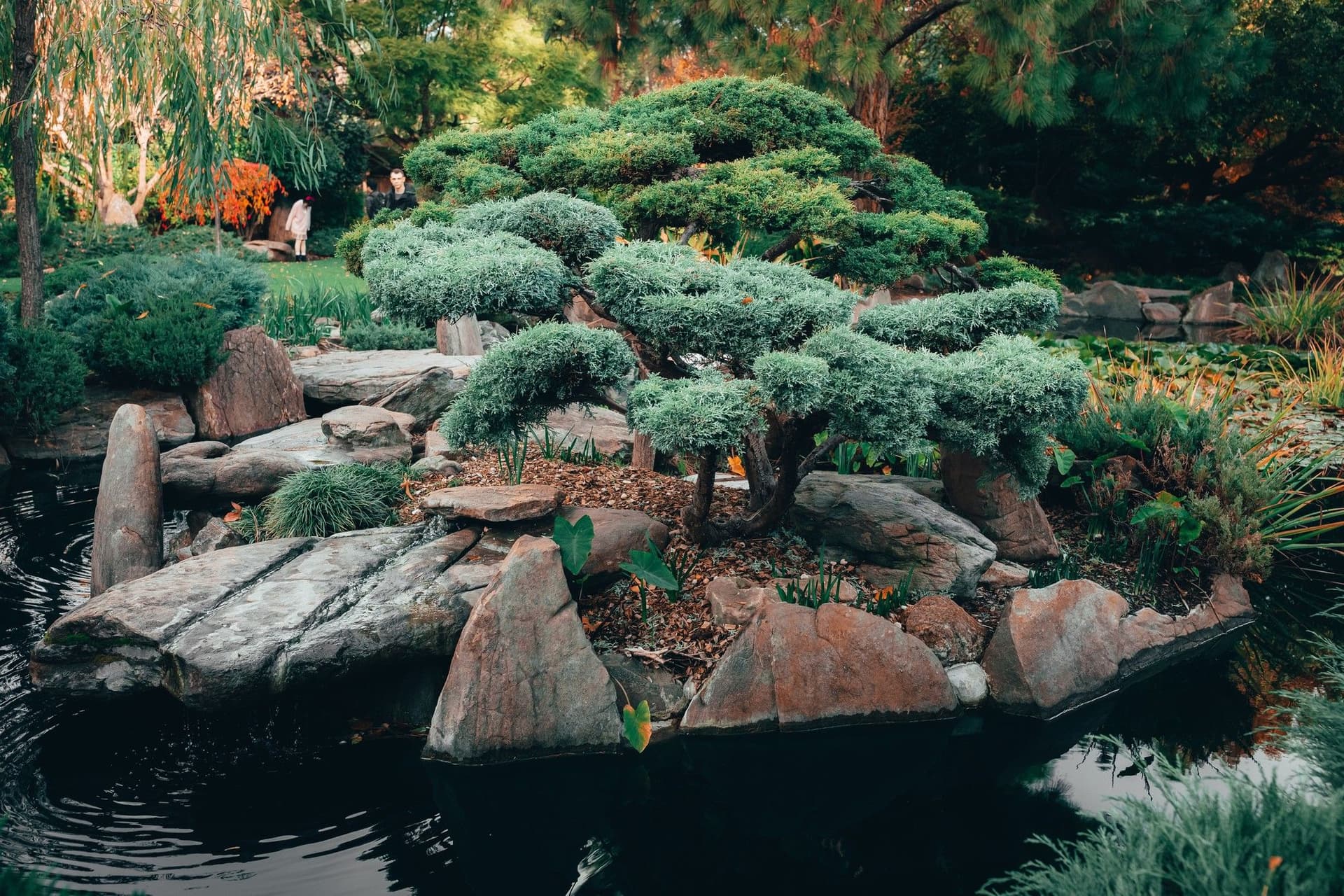
How to Group Plants in Landscaping: A Practical Layout Guide

8 min read · 31 Aug 2026

How to Group Plants in Landscaping: A Practical Layout Guide

Good plant grouping can mean the difference between a well-planned garden and one that looks sloppy. This guide explores layers, spacing, cluster shapes, and the plants that thrive when you group them.

Plant Care
How to Group Plants in Landscaping: A Practical Layout Guide
Frozen vs Fresh Vegetable Nutrients: Which Option Is Healthier?

6 min read · 8 Sept 2026

Frozen vs Fresh Vegetable Nutrients: Which Option Is Healthier?

Frozen and fresh vegetables are nutritionally comparable: frozen produce often retains vitamins just as well as fresh and may sometimes contain more. Here’s how blanching and storage affect nutrients—and when to choose each.

Plant Recommendations
Frozen vs Fresh Vegetable Nutrients: Which Option Is Healthier?
Top 15 Fast-Growing Trees For Your Garden

13 min read · 28 Jul 2026

Top 15 Fast-Growing Trees For Your Garden

Learn which of the 15 fastest-growing trees will suit your area. We’ll share detailed information on each: growth rate, mature spread, key tree demands, and main vulnerabilities. Read on and make the best choice possible.

Plant Recommendations
Top 15 Fast-Growing Trees For Your Garden