


Substrate anchoring
Press a fine mesh, plastic canvas, or nylon net gently over freshly placed moss on rock or wood for 2–4 weeks to keep fragments in contact with the surface until rhizoids anchor firmly.

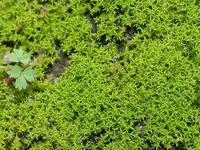
Barbula unguiculata, often called barbula moss, is a small, cushion-forming moss that creates dense green mats on soil, rocks, and cracks in pavement. It has upright, fine shoots with tiny overlapping leaves that give it a soft, velvety texture.
This moss occurs widely in temperate regions, especially in disturbed or open habitats such as sidewalks, garden beds, and roof surfaces. It is considered a hardy, opportunistic species that colonizes quickly where moisture is available.
Barbula unguiculata is generally easy to maintain, which helps anyone learning how to care for barbula moss. It prefers bright, indirect light, consistent surface moisture, and a stable, well-drained substrate with minimal competition from taller plants.

Care Difficulty
Moderate Care

Light Preference
Partial Shade

Water Requirements
Keep Soil Moist

Temperature Preference
Cool Climate

Hardiness Zone
5–9

Soil Texture
Loamy, Silty, Organic-rich

Soil pH
Acidic (5.5–6.5), Slightly acidic (6.5–7.0)

Soil Drainage
Moist but well-drained

Fertilization
Minimal (feed rarely)
Scan your plant to receive care tips personalized for your specific plant
Available on iOS and Android
This moss prefers bright, indirect light with some protection from intense midday sun.
Barbula unguiculata needs consistently moist conditions but suffers if left saturated for long periods.
This moss is fairly hardy and adapts to a broad temperature range when moisture is stable.
This moss prefers steady moisture and moderate humidity to stay dense and green.
Barbula unguiculata grows best on thin, well-drained, mineral-rich substrates rather than deep potting soil.
This species is suitable for shallow container growing, especially in trays, bonsai pots, and terrariums.
This moss needs only light, occasional nutrition when grown in controlled conditions such as terrariums or trays.
Pruning Barbula unguiculata is minimal and mainly used to maintain an even carpet and remove decline.
This species is usually grown as a ground or substrate cover, so care focuses on transplanting patches rather than classic repotting.
Propagation relies on vegetative spread from small fragments rather than complex techniques.
This moss is generally cold hardy and tolerates typical outdoor winters without special measures.

Plant Health Check
Not sure what's wrong with your plant? Check your plant's health inside the app.
This moss is one of the most widespread acrocarpous mosses on Earth, commonly colonizing urban concrete, mortar, roof tiles, and compacted soils that many other bryophytes cannot tolerate.
It shows a strong preference for slightly basic, calcium-rich substrates such as cement, mortar, and calcareous soils, where dissolved lime and nutrients from building materials create a favorable microhabitat.
Spores and tiny fragments allow it to rapidly colonize disturbed, bare, or compacted ground, acting as an early-successional moss that stabilizes the surface and helps trap dust and organic particles.
Growth is moderate. From fresh fragments or spores, a thin green film often appears within a few weeks, thickening into a cushion over several months. Rate depends on constant moisture, light levels, and stable temperatures.
Keep your plants happy and healthy with plant identification, disease detection, and easy care guidance.

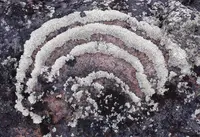
arctoparmelia lichen
Arctoparmelia centrifuga
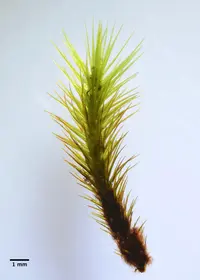
Menzies' anacolia moss
Anacolia menziesii
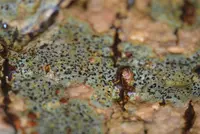
Arthothelium ruanum
Arthothelium ruanum
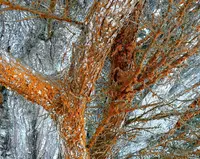
Orange Rock Hair
Trentepohlia aurea
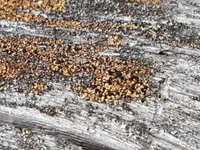
Old-Growth Clam Lichen
Xylopsora friesii
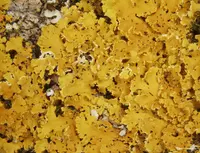
Xanthoria ulophyllodes
Xanthoria ulophyllodes
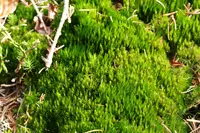
campylopus moss
Campylopus flexuosus
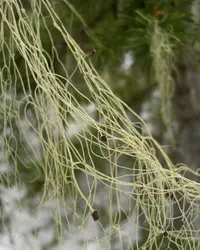
witch's hair lichen
Alectoria sarmentosa