Bearded Pawwort Care (Barbilophozia barbata)

Bearded Pawwort

About Bearded Pawwort

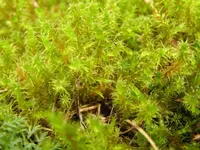
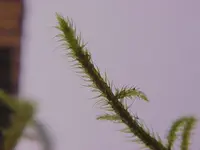
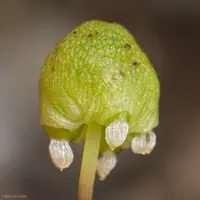
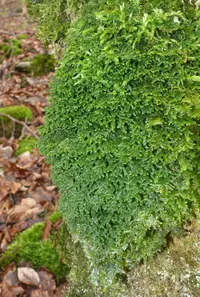
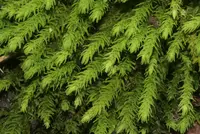
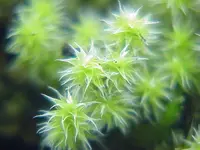
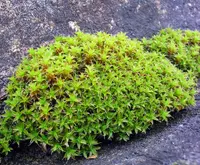
Bearded pawwort (Barbilophozia barbata) is a leafy liverwort, a simple non-vascular plant that forms low, dense carpets or loose mats. It has small, overlapping, beard-like leaves that give it a soft, textured look.

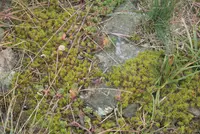
This species occurs mainly in cool, moist regions of the Northern Hemisphere, especially in boreal forests, on decaying wood, peat, and shaded soil. Its shallow, delicate structure makes it sensitive to drying out and physical disturbance, so stable humidity and gentle handling are important.

For those learning how to care for Bearded Pawwort, it is generally considered moderate in difficulty, since it needs consistent moisture, shade, and an undisturbed, slightly acidic substrate.

Main Plant Requirements

Care Difficulty

Hard Care

Light Preference

Shade

Water Requirements

Keep Soil Moist

Temperature Preference

Cold Hardy

Hardiness Zone

3–8

Soil Texture

Peaty, Organic-rich, Loamy

Soil pH

Strongly acidic (4.5–5.5), Acidic (5.5–6.5)

Soil Drainage

Waterlogged tolerant

Fertilization

Minimal (feed rarely)

Get Personalized Care Plan

Scan your plant to receive care tips personalized for your specific plant

Available on iOS and Android

How to Care for the Bearded Pawwort

This liverwort is adapted to cool, dim forest conditions and needs low to moderate light to thrive.

  • Provide bright shade or dappled forest light, such as under shrubs or trees, with 1–3 hours of soft morning sun and no harsh afternoon sun.
  • Allow only filtered light on the colony; direct sun in summer can scorch tissues, dry the substrate quickly, and kill exposed patches within days.
  • In warmer seasons, increase shade or move to deeper woodland light; in low-light winters, ensure some indirect sky light so growth does not stall completely.

This species prefers constantly moist, cool substrates and is sensitive to both drying out and stagnant water.

  • Keep the substrate consistently damp rather than saturated; the surface should feel moist to the touch at all times, never crunchy or dusty.
  • Increase watering or misting during warm, windy, or low-humidity periods so Barbilophozia barbata never fully dries, focusing on gentle soaking instead of heavy torrents.
  • Improve drainage with a loose, fine-textured medium over rocks, logs, or soil; yellowing, mushy fronds suggest overwatering, while curling or brittle tips indicate underwatering.

This cool-climate liverwort grows best in mild conditions and weakens in sustained heat.

  • Aim for an active growth range of 45–65°F (7–18°C), typical of shaded woodland or cool coastal sites with consistently moist air and substrate.
  • Tolerate short drops near 25°F (-4°C) under snow or leaf litter, but repeated freeze–thaw cycles with exposed, dry mats increase damage risk.
  • Protect colonies from prolonged heat above 75°F (24°C), especially in full sun; use deeper shade, thicker mulch, and higher humidity to buffer summer temperature spikes.

This liverwort needs consistently moist, cool, high-humidity air to thrive.

  • Aim for 70–90% humidity, mimicking its natural damp woodland and bog-edge habitats.
  • It declines in prolonged dry indoor air; shoots become dull, brittle, and may curl or brown at the tips.
  • Increase humidity with a covered terrarium, frequent fine misting, or placing the colony above a consistently moist pebble tray without submerging it.

Barbilophozia barbata prefers a cool, constantly moist, highly organic substrate rather than typical potting soil.

  • Use a fine-textured mix of milled sphagnum, leaf litter, and a little sand to mimic decaying forest floor or peat bank conditions.
  • Ensure the substrate stays moist but not waterlogged by using a shallow tray or box with many drainage holes and a thin substrate layer.
  • Slightly acidic conditions around pH 5.0–6.0 suit this species; avoid alkaline mineral soils or mixes high in lime.
  • Improve aeration by lightly fluffing the organic layer and avoiding compaction, which restricts gas exchange and encourages rot.

This species can be grown in containers, especially shallow trays or terraria that maintain constant moisture and humidity.

  • Choose wide, shallow containers to allow creeping mats to spread while keeping the substrate depth thin for better oxygen exchange.
  • Opaque or dark-sided containers reduce light on substrate walls, helping keep the root zone cooler and less prone to algae overgrowth.
  • Use a stable, non-porous material such as glass or glazed ceramic to hold steady moisture levels and prevent rapid edge drying.

This moss-like liverwort is adapted to nutrient-poor habitats and usually needs no additional fertilizer in cultivation.

Barbilophozia barbata needs only minimal pruning to keep mats healthy and compact.

  • Best timing is early spring or after main growth flush when plants are actively recovering.
  • Gently pinch or trim back overlong or tattered shoots to maintain a low, even carpet.
  • Remove dead, discolored, or decaying patches to improve air flow and reduce rot risk.
  • Use fine scissors or tweezers and avoid tearing, which can disturb the substrate.

This species is usually grown on rocks, logs, or shallow trays, so focus on gentle transplanting rather than frequent repotting.

  • Transplant when mats become overcrowded, growth slows, or the substrate breaks down and stays waterlogged.
  • Best timing is in cool, moist conditions of early spring or early autumn to reduce stress.
  • Lift small sections with attached substrate, then place onto fresh, moisture-retentive but well-drained medium.
  • Keep humidity high and light moderate for 1–2 weeks after moving to allow rhizoids to reattach.

Barbilophozia barbata is commonly multiplied by simple division of existing mats rather than by spores.

  • Carry out division in early spring or cool, moist autumn weather for better establishment.
  • Gently tear or cut mats into small sections, each with healthy green shoots and some attached substrate.
  • Press divisions onto a fresh, damp, acidic medium and mist lightly to ensure close contact.
  • Maintain high humidity, soft indirect light, and consistently moist conditions until new spreading growth appears.

This liverwort is quite cold hardy in temperate climates and usually needs little dedicated winter care outdoors.

  • Tolerates light to moderate frost when rooted in a stable, moist substrate.
  • In very exposed sites, a thin mulch around the substrate edges helps buffer freezing–thawing cycles.
  • Container cultures can be overwintered in a cold frame or unheated sheltered area to reduce desiccating wind.

Care Tips

Substrate layering

Create a thin, uneven layer of acid, low-nutrient material such as finely shredded pine bark or dried sphagnum over the main substrate so the thallus can creep and root into fresh surfaces without being buried.

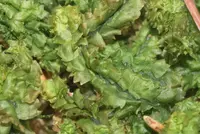
Moisture micro-zones

Arrange small stones or bark pieces around but not on top of the colony to create slightly different moisture pockets, allowing you to observe and expand growth into the micro-zone where the liverwort performs best.

Gentle colony division

When the mat thickens, lift and divide small patches with a flat spatula or plant label, then press them gently onto fresh, pre-moistened substrate to propagate and reduce self-shading.

Algae and moss control

If brighter light or nutrient drift encourages algae or fast moss overgrowth, periodically tease away these competitors with blunt tweezers so the liverwort surface remains exposed to light and air.

Cold rest management

In climates with hot summers, move containers to the coolest shaded outdoor spot or a cool indoor area and slightly reduce watering frequency to mimic the colder, moist conditions that support long-term success when growing Bearded Pawwort.

Common Pests and Diseases

Slime molds

This disease appears as slimy, often dark or brightly colored patches that develop on the mossy mat, especially in very wet, nutrient-enriched spots. Symptoms include localized dieback of shoots smothered under the slime layer.

Solution

Reduce excess moisture and surface nutrients by improving drainage, avoiding fertilizer runoff, and increasing air movement over the patch. Gently lift off slime masses with a soft tool or rinse them away with low-pressure water, then allow the substrate to dry slightly between waterings to limit recurrence when growing Bearded Pawwort in culture trays or terraria.

Fungal leaf spots

This disease causes tiny brown to black specks or irregular spots on the delicate leafy lobes, often coalescing into discolored patches in dense, constantly wet mats. Symptoms include thinning or bleaching of affected cushions over time.

Solution

Improve airflow and reduce constant surface saturation by spacing colonies, using a more free-draining substrate, and watering in the morning so surfaces dry by evening. Remove and discard heavily spotted tufts with sterile tools and, in valuable collections, use a targeted moss-safe fungicide according to label directions while monitoring humidity closely.

Rotting shoot bases

This disease develops where the creeping stems stay buried in saturated, stagnant substrates, leading to soft, darkened bases and collapse of overlying shoots. Symptoms include sections of the mat detaching easily from the substrate and emitting a sour odor.

Solution

Adjust the moisture regime so the substrate is moist but not waterlogged by improving drainage, using a finer mist rather than heavy soaking, and avoiding standing water around culture containers. Carefully trim out decayed portions and re-establish healthy fragments on fresh, clean substrate with better aeration conditions.

Springtail overpopulation

These insects are small, white to gray jumping arthropods that thrive in constantly damp moss cultures; in high numbers they can graze on delicate new growth and biofilm on the shoots. Symptoms include reduced vigor of fresh tips and visible movement of tiny specks when the mat is disturbed.

Solution

Lower excess moisture and organic debris by reducing feeding, flushing culture trays with clean water, and allowing brief drying at the surface while keeping the moss from desiccating. Introduce gentle biological control such as predatory mites where appropriate, or temporarily move cultures to slightly less humid, well-ventilated conditions to bring numbers down.

Mite damage

These insects are tiny arachnids that may colonize cultured mats under warm, enclosed conditions, leading to roughened, pale, or nibbled shoot tips. Symptoms include uneven, stunted new growth and a dusty appearance under magnification rather than a smooth leafy surface.

Solution

Increase air exchange and avoid excessively warm, stagnant terrarium setups, which favor mites more than the moss. Rinse colonies gently under cool water to dislodge mites, discard badly affected patches, and if needed use a targeted, low-toxicity miticide labeled safe for non-vascular plants, applied at reduced strength with careful observation of plant response.

Interesting Facts

Boreal forest specialist

This leafy liverwort is strongly associated with cool, moist boreal and subalpine forests, often forming low mats on rotting logs, humus-rich soil, and rocky ledges under conifers such as spruce and fir.

Distinctive bearded leaf tips

Its downcurved, fringed leaf lobes end in several long, hair-like teeth that give a bearded appearance, which helps bryologists distinguish it from similar Barbilophozia species in the field.

Wide but northern range

The species has a broad circumboreal distribution, occurring across northern Europe, Asia, and North America, yet it remains tied mainly to cool, oceanic or montane climates rather than warmer lowlands.

FAQs about Bearded Pawwort

This liverwort forms low, creeping mats that expand gradually by branching shoots. It usually spreads only where conditions stay consistently cool and moist. In gardens or terraria, it is not considered aggressive and is easy to keep contained.

Grow Healthy Plants with Botan Care

Keep your plants happy and healthy with plant identification, disease detection, and easy care guidance.

Botan plant care app — identify plants on mobile

Explore More Plants