Ciliate Hedwigia Moss Care (Hedwigia ciliata)

Also known as: Hedwig's Fringeleaf Moss, Ciliate Hoarmoss
Ciliate Hedwigia Moss

About Ciliate Hedwigia Moss

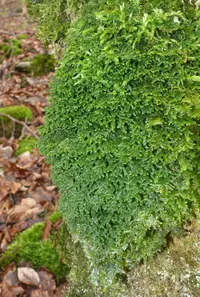
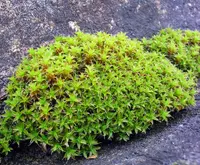
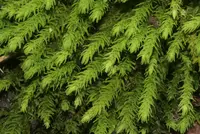
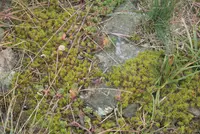
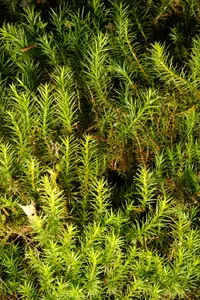
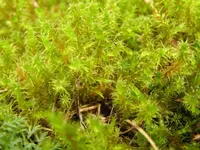
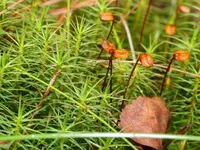
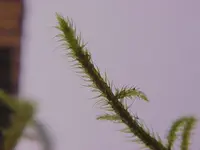
Ciliate Hedwigia Moss, Hedwigia ciliata, is a hardy, clump-forming moss often found on rocks, tree trunks, and old walls. It forms low, cushion-like mats with pale green to grayish shoots that can appear almost silvery when dry.

This species is native to many temperate regions and commonly occurs in exposed, rocky habitats where other plants struggle. It tolerates drying out and then quickly recovers when moisture returns, which makes it relatively resilient in cultivation. In general, it prefers bright indirect light, periodic moisture, and a stable surface to attach to, and these traits influence how to care for Ciliate Hedwigia Moss.

Main Plant Requirements

Care Difficulty

Moderate Care

Light Preference

Partial Shade

Water Requirements

Keep Soil Moist

Temperature Preference

Cold Hardy

Hardiness Zone

3–9

Soil Texture

Rocky, Sandy, Loamy

Soil pH

Acidic (5.5–6.5)

Soil Drainage

Moist but well-drained

Fertilization

Minimal (feed rarely)

Get Personalized Care Plan

Scan your plant to receive care tips personalized for your specific plant

Available on iOS and Android

How to Care for the Ciliate Hedwigia Moss

This moss prefers cool, bright sites with soft, indirect light rather than harsh sun.

  • Provide 2–4 hours of gentle morning sun or bright, dappled light under open shrubs or rocks, similar to a lightly shaded woodland edge.
  • Allow light to filter through branches or overhangs; strong midday and afternoon sun can bleach and dry Ciliate Hedwigia Moss, especially on exposed stone or soil.
  • In summer, increase shade or diffuse light if tips turn pale or crispy; in low winter sun, slightly more exposure helps maintain compact growth.

Hedwigia ciliata prefers steady moisture around its rhizoids but dislikes stagnant water.

  • Outdoors on rock or soil, let the surface just begin to feel dry, then re-wet thoroughly so the moss turns fully green within 10–20 minutes.
  • Use well-drained, gritty or rocky substrate; avoid sites where water pools for more than 1–2 hours, which encourages rot and algae growth.
  • In hot, dry periods, mist or soak lightly once drying is visible or leaves curl inward; reduce soaking in cool, wet seasons to prevent constant saturation.

This moss is cold-hardy and tolerates a broad temperature range when moisture is adequate.

  • Optimal active growth occurs around 50–70°F (10–21°C), especially in cool, moist spring and autumn conditions.
  • It tolerates winter cold down to about 5–10°F (-15 to -12°C) when established on stone or soil, though fronds may desiccate and then rehydrate in milder spells.
  • Short heat waves up to 85–90°F (29–32°C) are tolerated if humidity and shade are provided; prolonged heat with full sun increases stress and drying.

This moss prefers moderately moist air but is quite tolerant of typical indoor humidity.

  • Aim for 50–70% humidity to keep Ciliate Hedwigia Moss evenly hydrated and growing steadily.
  • Crisping, paling, or shrinking of cushions indicates air is too dry or drying too quickly between waterings.
  • Increase humidity by grouping containers, placing them near a humid tray of water and stones, or misting lightly without soaking the substrate.

Hedwigia ciliata grows best on very well-drained, mineral-based substrates that mimic rocky habitats.

  • Use a gritty mix such as 50% fine sand or granite grit, 30% small gravel, and 20% low-organic substrate like sifted compost or akadama fines.
  • Ensure rapid drainage; water should pass through within seconds, leaving the surface just damp rather than soggy.
  • Keep pH slightly acidic to neutral (pH 5.5–7.0), avoiding strongly alkaline or salty substrates that disrupt moss hydration.
  • Improve aeration by using shallow containers with a coarse base layer of gravel or pumice under the main substrate.

This species adapts well to shallow container culture that mimics rock faces or logs.

  • Choose wide, shallow trays so the moss can spread horizontally while excess water evaporates quickly from the surface.
  • Use unglazed terracotta or similarly porous material if higher evaporation is needed to prevent constant wetness.
  • Elevate the container slightly on feet or mesh so drainage holes stay clear and runoff leaves the pot quickly.

This moss usually thrives on nutrient-poor substrates and rarely needs feeding in cultivation.

Pruning needs for Hedwigia ciliata are minimal and mainly cosmetic.

  • Best done in spring or after active growth slows, when new cushions are established.
  • Gently remove dead, discolored, or mechanically damaged patches with fingers or soft tweezers.
  • Thin out overly dense tufts to maintain low, even mats and reduce trapped debris.
  • Avoid cutting deeply into healthy cushions to prevent bare spots and moisture loss.

Transplanting Hedwigia ciliata focuses on moving intact mats rather than disturbing individual roots.

  • Transplant when growth slows, mats lift easily from the substrate, or when colonizing a new rock, log, or shallow tray.
  • Choose cool, moist weather in spring or early fall to limit desiccation stress.
  • Lift moss as sheets with a thin layer of underlying substrate, keeping rhizoids and surface roots intact.
  • Firm gently onto the new surface, then mist frequently for 1–2 weeks until it reattaches.

Hedwigia ciliata is commonly propagated by division of existing mats rather than by spores in home culture.

  • Best time is during cool, moist periods in spring or early fall.
  • Cut or tear small tufts or patches, each with healthy green tips and some substrate attached.
  • Press divisions onto the new rock, bark, or soil surface without burying the shoots.
  • Maintain constant, gentle moisture and bright, indirect light to encourage firm reattachment and new growth.

This moss is naturally cold hardy and usually needs no special winter care outdoors.

Care Tips

Rocky substrate choice

Mount the moss on porous, slightly acidic stone such as sandstone or weathered granite rather than dense, smooth rock so rhizoids can anchor securely and form an even mat.

Thin, even layering

Apply only a very thin, single layer of fragments when establishing a patch, pressing them gently onto the surface so air can move between shoots and reduce rot or algae growth.

Use rain or RO water

Collect rainwater or use reverse-osmosis (RO) water in hard-water areas to prevent carbonate buildup that can slowly whiten and stress cushions on rocks.

Seasonal moisture adjustment

In outdoor culture, allow longer dry intervals and more air movement in cool seasons and provide more frequent light misting during hot, windy periods to mimic its natural exposure on rocky outcrops when growing Ciliate Hedwigia Moss.

Algae and weed control

Periodically lift and gently tease out invading algae films and tiny vascular seedlings with tweezers so the moss canopy stays open and light reaches the shoot tips.

Common Pests and Diseases

Desiccation stress

Symptoms include bleaching from green to gray-white, crisp, brittle shoots, and poor regrowth after drying. This condition develops when the moss experiences prolonged, intense sun and wind without periodic rehydration.

Solution

Provide partial shade, especially during the hottest midday hours, and shelter from strong, drying winds while still keeping good air circulation. Mist or gently soak the moss during extended dry spells, then allow excess water to drain so surfaces are moist but not submerged for long periods.

Algal overgrowth

This disease appears as a slick green film or patches on the moss surface, often in persistently wet, nutrient-enriched spots. Growth becomes patchy and weak as the algae shade and smother the moss shoots.

Solution

Reduce standing water and improve drainage so the substrate is moist but not waterlogged, and decrease fertilizer or nutrient runoff nearby. Gently rinse the moss with clean water to remove surface algae and increase light and airflow without exposing the moss to direct, scorching sun.

Fungal leaf spot

This disease causes small, dark, water-soaked or necrotic patches on moss leaves and stems, usually under very humid, stagnant-air conditions. Affected cushions can thin out and lose their dense, healthy texture.

Solution

Increase airflow around the moss by reducing overcrowding and avoiding fully enclosed, stagnant setups, and let the surface dry slightly between mistings. Remove heavily affected patches with sterilized tools and, in valuable collections, consider a targeted moss-safe fungicide used strictly according to label directions.

Slugs and snails

These pests chew irregular holes, tear out patches of shoots, and leave slime trails across cushions, especially in damp, shaded outdoor locations. Damage is often worst at night or after rain.

Solution

Hand-pick slugs and snails during evening or early morning, and use physical barriers such as copper tape or rough mineral mulches around the moss area. Reduce hiding sites like dense debris and, if needed, place iron phosphate bait stations nearby, avoiding direct contact with the moss.

Moss mites

These insects are tiny arachnids that feed on moss tissues, sometimes causing a dull, patchy appearance and slow thinning of cushions in long-established plantings or terraria. Infestations may go unnoticed until growth becomes uneven and fine debris accumulates among the shoots.

Solution

Rinse the moss gently with clean water to dislodge mites, and improve ventilation and cleanliness in terraria or display areas. In more serious infestations, introduce biological controls such as predatory mites or use a mild, moss-safe acaricide, testing on a small area first and avoiding repeated, harsh treatments when following Hedwigia ciliata care instructions.

Interesting Facts

Silvery leaf tips

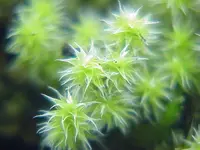
The leaves of this moss have long, transparent hair points that catch the light and give colonies a distinct silvery or hoary appearance, especially when dry.

Rock outcrop specialist

It commonly forms dense mats on exposed, often acidic rocks such as granite or sandstone, where it helps trap dust and organic particles that slowly contribute to soil formation.

Drought survival strategy

This species tolerates repeated drying by entering a dormant, desiccated state and then rapidly reactivating photosynthesis when moistened again.

Botan icon

Did you know?

In some European and North American bryology guides, this moss is used as a textbook example for teaching leaf anatomy in acrocarpous mosses, because its hair-pointed leaves and distinct costa (midrib) are unusually easy to see under a basic light microscope.

FAQs about Ciliate Hedwigia Moss

This species spreads slowly to moderately by spores and short creeping stems, forming small mats over rocks, soil, or wood. It is not considered aggressive and is usually easy to confine to a chosen area.

Grow Healthy Plants with Botan Care

Keep your plants happy and healthy with plant identification, disease detection, and easy care guidance.

Botan plant care app — identify plants on mobile

Explore More Plants