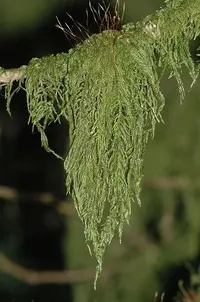
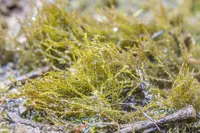
Common Haircap Moss Care (Polytrichum commune)

Also known as: polytrichum moss, Common Haircap
Common Haircap Moss

About Common Haircap Moss

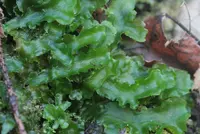
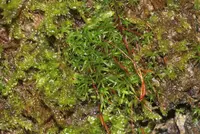
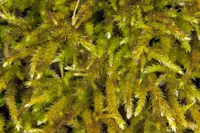
Common haircap moss (Polytrichum commune) is a large, upright moss often forming dense, bright to dark green carpets. It is a bryophyte, a group of simple, non-vascular plants that absorb water over their surfaces.

Individual shoots are typically stiff and hair-like, with star-shaped leaf tips when moist and tighter, slimmer foliage when dry. It often colonizes acidic, moist soils in forests, bogs, and along stream banks across temperate regions.

This moss is generally hardy and adaptable but needs consistent moisture and protection from strong disturbance to thrive. Light shade, high humidity, and low-nutrient, slightly acidic substrates make it easier to care for Common Haircap Moss.

Main Plant Requirements

Care Difficulty

Moderate Care

Light Preference

Partial Shade

Water Requirements

Keep Soil Moist

Temperature Preference

Cold Hardy

Hardiness Zone

2–9

Soil Texture

Sandy, Loamy, Peaty

Soil pH

Strongly acidic (4.5–5.5), Acidic (5.5–6.5)

Soil Drainage

Moist but well-drained

Fertilization

Minimal (feed rarely)

Get Personalized Care Plan

Scan your plant to receive care tips personalized for your specific plant

Available on iOS and Android

How to Care for the Common Haircap Moss

This moss prefers cool, consistently moist, low to moderate light conditions similar to a shaded forest floor.

  • Provide bright, dappled shade or full shade with only brief morning sun (1–2 hours); avoid strong midday and afternoon sun that can dry and bleach the shoots.
  • In open sites, give filtered light under shrubs or trees; in very dark spots, growth becomes sparse and stems elongate toward even weak light sources.
  • Common Haircap Moss benefits from seasonal shade: more overhead cover in summer, with slightly more indirect light in low-angle winter sun.

This species needs consistently moist conditions and does not tolerate prolonged drying.

  • Keep the substrate evenly moist; allow only the top 0.5–1 cm to begin to dry before rewetting, mimicking a damp woodland floor rather than saturated boggy ground.
  • Use soft, low-mineral water when possible and ensure excess water can drain or run off so the rhizoids are not submerged for long periods.
  • Watch for dull, crisp, curling leaves as a sign of underwatering, and for slimy, discolored patches or a sour smell as warning signs of overwatering in Polytrichum commune.

This moss is quite cold hardy but grows best in cool to mild conditions.

  • Optimal growth occurs around 50–68°F (10–20°C), especially in shaded, moist habitats with stable humidity and limited direct sun exposure.
  • It tolerates winter lows well below 32°F (0°C) once established, often surviving freezing and snow cover, then resuming growth in spring.
  • Heat above 80°F (27°C) is tolerated only if shade and high moisture are maintained; in hot, dry spells, growth slows and fronds may brown at the tips.

This moss prefers consistently moist, high-humidity conditions to stay green and actively growing.

  • Aim for 70–90% humidity, mimicking a damp forest floor for Common Haircap Moss.
  • Dry air causes paling, crispy tips, and shriveling cushions, especially at exposed edges.
  • Increase humidity with frequent fine misting, a covered terrarium-style container, or a pebble tray kept wet beneath the moss.

This species thrives in moist, acidic, airy substrates that mimic forest or boggy soils.

  • Use a loose mix of sphagnum peat or coco coir with fine sand and leaf mold to create soft, organic-rich structure.
  • Ensure steady moisture but fast drainage; water should not pool on the surface or in the container base.
  • Aim for acidic conditions around pH 4.0–5.5, which supports healthy Polytrichum commune growth and color.
  • Avoid heavy mineral soils, added fertilizer, lime, and compacted substrates that limit aeration and trap stagnant water.

This moss can be grown in shallow containers if moisture and stability are carefully managed.

  • Choose a broad, shallow tray that allows even spreading while keeping the entire moss cushion within a consistently damp zone.
  • Use a container material like glazed ceramic or plastic that slows evaporation and helps maintain steady moisture levels.
  • Elevate the container and use drainage holes so excess water drains quickly, preventing waterlogging of the lower moss layer.

Polytrichum commune, or Common Haircap Moss, usually grows well without added fertilizer in low-nutrient substrates.

Polytrichum commune needs almost no true pruning, only light grooming to maintain a clean, healthy patch.

Transplanting Polytrichum commune is more relevant than repotting, since it is most often grown on outdoor substrates or terrarium surfaces.

  • Transplant in cool, moist weather in spring or early fall to limit desiccation stress.
  • Move clumps when growth slows, patches thin, or the substrate becomes unstable or compacted.
  • Lift moss mats gently with a thin spatula, keeping rhizoids and attached substrate intact.
  • Press onto the new moist, acidic substrate, mist thoroughly, and shade lightly until reanchored.

Polytrichum commune is commonly propagated vegetatively by division rather than from spores in home settings.

  • Divide healthy, dense moss cushions in early spring or fall when moisture is reliable.
  • Gently tear or cut mats into smaller sections, keeping rhizoids and some attached substrate.
  • Lay divisions on a clean, acidic, consistently moist surface with bright, indirect light.
  • Mist with soft, low-mineral water and avoid waterlogging to encourage steady reattachment and spread.

Polytrichum commune is cold hardy and generally needs no special winter care in temperate climates.

  • In-ground patches tolerate freezing and thawing, entering a temporary dormant state.
  • Keep outdoor containers moist but not waterlogged; avoid complete drying in winter winds.
  • If grown in shallow dishes, move to a sheltered, frost-free but cool spot during severe cold.

Care Tips

Shallow Substrate Layer

Use a very thin (0.5–1 cm) layer of clean, low-nutrient sand or finely screened acidic loam over your base material to anchor the rhizoids while still allowing the moss to carpet and spread evenly.

Rainwater Rinsing

Every 4–6 weeks, gently pour or mist with rainwater or distilled water until it runs through the planting surface to flush out accumulated minerals and dust that can inhibit upright growth.

Spore Capsule Management

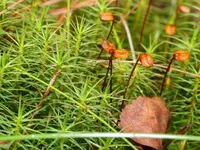
If you want dense, low cushions, trim off mature sporophyte stems with capsules before they fully dry and release spores, but leave a few intact if you aim to expand the colony naturally.

Microclimate Wind Shield

Create a low windbreak using stones, driftwood, or edging around the moss patch to reduce air movement at the surface, which helps maintain the moist boundary layer this species relies on for efficient photosynthesis.

Careful Foot Traffic Control

Install stepping stones or clear access paths beside outdoor patches so any necessary access does not compress or shear the tall shoots, which are slower to recover than many other mosses when caring for Common Haircap Moss.

Common Pests and Diseases

Slugs and snails

This pest feeds on young moss shoots and sporophytes, leaving ragged, grazed patches and thinning cushions. Symptoms include missing tips, slimy trails on and around the moss, and irregular bare spots in dense mats.

Solution

Hand-pick slugs and snails in the evening or early morning, use beer traps or copper barriers around trays or beds, and keep surrounding debris and leaf litter minimal so they have fewer hiding places. In outdoor culture, encourage natural predators like ground beetles and, if needed, use iron-phosphate slug baits placed away from the main moss cushions.

Springtails

These insects live in constantly moist moss carpets and can graze on delicate new growth, especially in closed terrariums or culture trays. Symptoms include fine surface pitting, slowed spread of the colony, and small white or gray jumping insects visible when the moss is disturbed.

Solution

Reduce excess moisture by allowing more air exchange, avoid overwatering, and remove standing water from trays. Rinse the moss gently under cool water to dislodge springtails and, in severe indoor cases, use yellow sticky traps nearby and temporarily lower humidity to the minimum the moss tolerates to break the population cycle.

Fungal damping-off

This disease is caused by soilborne fungi that attack germinating spores and tiny protonema (early moss filaments) in propagation setups. Symptoms include sudden collapse and browning of new green film-like growth, patchy dieback in newly sown areas, and a water-soaked look at the base of young shoots.

Solution

Use clean, low-organic, well-rinsed substrates and avoid over-sterilized but nutrient-rich potting mixes that favor damping-off pathogens. Improve air circulation, avoid constant saturation, remove affected patches with a clean tool, and let the surface dry slightly between mistings while maintaining overall humidity around the colony.

Algal overgrowth

This problem occurs when green algae colonize wet, nutrient-enriched surfaces, forming a slick, bright green film over the moss. Symptoms include reduced texture detail, dull or suffocated-looking shoots, and slippery surfaces on rocks, substrates, or container walls.

Solution

Reduce nutrient input by avoiding fertilizer, limit direct runoff from richer soils, and increase light and airflow so the moss dries slightly between waterings. Gently rinse or brush off heavy algal films with cool water and a soft brush, and if growing Common Haircap Moss in containers, refresh the top layer of inert substrate to lower available nutrients.

Interesting Facts

Remarkable shoot height

Among mosses, this species is notable for its tall, rigid shoots, which in favorable conditions can reach 20–30 cm, forming dense, bristly carpets that stand well above most neighboring mosses.

Leaf edge water channels

Each narrow leaf has specialized inrolled margins and tiny plates of cells on the upper surface that create capillary channels, helping the plant lift and distribute water efficiently through the cushion.

Natural acid soil specialist

This moss is strongly associated with acidic, nutrient-poor habitats such as heathlands and bog edges, where it tolerates conditions that limit many vascular plants and helps stabilize and build organic soil layers over time.

Botan icon

Did you know?

The sporophytes of this species produce unusually large, boxy capsules with a complex, fringed peristome (tooth-like ring) that regulates spore release in response to humidity changes, allowing spores to disperse gradually under conditions that favor successful colonization.

FAQs about Common Haircap Moss

This moss does not produce showy flowers. Instead, it forms tiny, capsule-bearing stalks for spore production, usually only under ideal outdoor conditions. Indoors or in disturbed sites, it may never form visible reproductive structures.

Grow Healthy Plants with Botan Care

Keep your plants happy and healthy with plant identification, disease detection, and easy care guidance.

Botan plant care app — identify plants on mobile

Explore More Plants