


Substrate anchoring
Press small pieces of this moss gently but firmly onto rough, stable surfaces such as bark, stone, or coarse cork so the rhizoids can attach quickly and resist being dislodged by wind or irrigation.

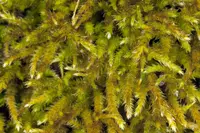
California antitrichia moss (Antitrichia californica) is a robust, evergreen moss that forms loose, somewhat glossy mats or tufts. Its branching stems and overlapping leaves give it a softly textured, feathery look.
This species is typically found on coastal rocks, cliffs, and tree trunks in western North America, especially in mild, humid areas. It is relatively tolerant of exposure and periods of drying, which makes it more forgiving than many delicate mosses.
Those traits can make it suitable for enthusiasts who want to care for California antitrichia moss in specialized moss gardens or terraria. It generally prefers cool, moist air, stable moisture around its substrate, and bright but indirect light.

Care Difficulty
Moderate Care

Light Preference
Partial Shade

Water Requirements
Moderate Water

Temperature Preference
Warm Climate

Hardiness Zone
8–10

Soil Texture
Loamy, Rocky, Organic-rich

Soil pH
Acidic (5.5–6.5)

Soil Drainage
Moist but well-drained

Fertilization
Minimal (feed rarely)
Scan your plant to receive care tips personalized for your specific plant
Available on iOS and Android
This moss favors bright, filtered woodland light rather than direct, exposed sun.
This moss prefers consistently moist conditions but not stagnant water.
This species is adapted to mild, seasonal climates with cool, moist conditions.
This moss prefers consistently moist, cool air and reacts quickly to drying conditions.
Antitrichia californica anchors to substrates rather than feeding deeply from them, but surface conditions strongly affect its performance.
This species can adapt to container culture when grown in shallow, well-drained trays or pots that mimic a moist rock or bark surface.
This moss usually grows well without extra feeding, so fertilization should stay very light and infrequent.
Pruning needs for Antitrichia californica are minimal and focus on maintaining a clean, healthy mat.
This moss is more often transplanted than repotted, especially from wild or nursery patches onto new substrates.
Propagation of Antitrichia californica relies mainly on vegetative fragments rather than spore culture for practical use.
This moss is generally cold hardy in its native range and needs little dedicated winter care outdoors.

Plant Health Check
Not sure what's wrong with your plant? Check your plant's health inside the app.
This moss commonly carpets shaded, humid rock outcrops and cliff faces along the Pacific coast, especially in fog-influenced forests where air moisture stays high even in the dry season.
Its dense, interwoven shoots trap fog and airborne water droplets, allowing colonies to stay hydrated and photosynthetically active during periods when rainfall is low.
Populations are often associated with relatively undisturbed, long-lived forest and rock habitats, so their presence can indicate stable microclimates and low levels of physical disturbance.
Growth is slow to moderate. In suitable, consistently moist conditions it usually extends only a few millimeters to about 1 cm per year, forming thicker mats over time rather than rapidly spreading long distances.
Keep your plants happy and healthy with plant identification, disease detection, and easy care guidance.

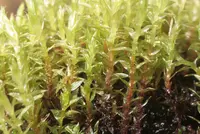
common green bryum moss
Bryum pseudotriquetrum
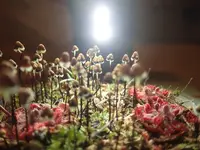
Asterella drummondii
Asterella drummondii
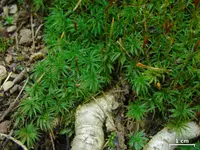
atrichum moss
Atrichum altecristatum
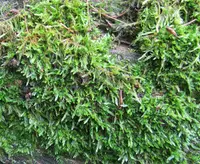
callicladium moss
Callicladium haldanianum
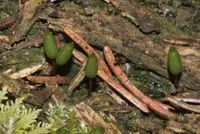
buxbaumia moss
Buxbaumia viridis
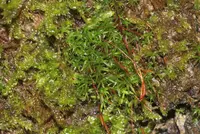
Red Beard-moss
Bryoerythrophyllum recurvirostrum
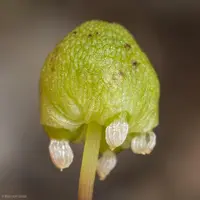
Palmer's asterella
Asterella palmeri
California asterella
Asterella californica