Selwyn's atrichum moss Care (Atrichum selwynii)

Also known as: Selwyn's Smoothcap, Selwyn's Smoothcap Moss
Selwyn's atrichum moss

About Selwyn's atrichum moss

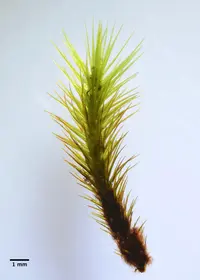
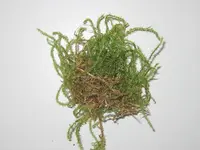
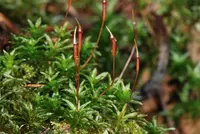
Selwyn's atrichum moss (Atrichum selwynii) is a small, upright moss forming loose green tufts rather than dense carpets. Its stems are lined with narrow, ribbed leaves that give a slightly starry look when viewed from above.

This species is typically found in cool, humid habitats such as forest floors, stream banks, and shaded soil in parts of North America. It is generally considered moderately easy to grow if its need for consistent moisture and shade is met.

Gardeners who want to care for Selwyn's atrichum moss should provide stable humidity, gentle airflow, and low to medium light on an acidic, well-drained substrate.

Main Plant Requirements

Care Difficulty

Moderate Care

Light Preference

Partial Shade

Water Requirements

Keep Soil Moist

Temperature Preference

Cool Climate

Hardiness Zone

Unknown

Soil Texture

Loamy, Silty, Organic-rich

Soil pH

Strongly acidic (4.5–5.5), Acidic (5.5–6.5)

Soil Drainage

Moist but well-drained

Fertilization

Minimal (feed rarely)

Get Personalized Care Plan

Scan your plant to receive care tips personalized for your specific plant

Available on iOS and Android

How to Care for the Selwyn's atrichum moss

This woodland moss prefers soft, filtered light that mimics a forest floor understory.

  • Provide 2–4 hours of gentle morning sun with bright, dappled or filtered light for the rest of the day; avoid direct midday summer sun.
  • Tolerates partial to full shade, but dense, deep shade reduces growth density and color; move slightly closer to light if tufts become elongated and pale.
  • Protect Selwyn's atrichum moss from strong afternoon sun, which can dry and bleach fronds, especially in summer or during low-humidity, windy periods.

This moss needs steady surface moisture but suffers if left waterlogged for long periods.

  • Keep the substrate consistently moist to the touch; do not allow the top 0.5–1 cm to become completely dry for more than a day, especially in sun or wind.
  • Use soft, low-mineral water and apply gently (fine rose or mister) so Atrichum selwynii is dampened without disturbing clumps or compacting the substrate.
  • In hot, dry weather, increase misting frequency and monitor for crisp, curling leaves (too dry); watch for slimy, dark, foul-smelling patches as a sign of prolonged saturation.

This species is adapted to cool, temperate conditions and handles moderate seasonal swings well.

  • Aim for 50–70°F (10–21°C) for strongest growth, with steady moisture and protection from drying winds in this range.
  • Tolerates light frosts down to about 20–25°F (-6 to -4°C) once established, but repeated freeze–thaw on exposed sites can lift and damage mats.
  • In summer, growth slows above 80°F (27°C); provide extra shade and humidity during hot spells, and avoid locating it near reflective rock or metal surfaces that overheat.

This moss needs consistently moist air to stay healthy and green.

  • Aim for 60–90% humidity, as prolonged exposure below 50% causes browning and thinning.
  • Low humidity stress shows as curled, crisped leaves and pale, patchy cushions.
  • Increase humidity with frequent fine misting, pebble trays under shallow dishes, or placement near other moisture-loving plants.

Atrichum selwynii prefers moist, loose, acidic, organic-rich substrates that never become stagnant.

  • Use a fine, fibrous mix of sphagnum peat or leaf mold with sand or fine grit to keep the structure open.
  • Maintain slightly acidic conditions, around pH 5.0–6.0, avoiding limed or alkaline substrates that inhibit growth.
  • Ensure slow but steady drainage so the surface stays damp while excess water can escape from below.
  • Avoid compacted, clay-heavy, or heavily fertilized mixes, which reduce aeration and promote rot.

This species can grow in shallow containers if moisture and stability are carefully controlled.

  • Select a wide, shallow tray that allows the moss to spread while keeping the entire surface evenly moist.
  • Use a rigid, non-porous container to slow evaporation and reduce daily moisture fluctuations in thin substrates.
  • Raise the container slightly so drainage holes never sit in standing water, preventing the lower layer from becoming anaerobic.

This moss thrives in low-nutrient conditions and usually needs no added fertilizer in naturalistic plantings.

Atrichum selwynii needs very little pruning, mainly for cleanliness and appearance rather than growth control.

  • Trim away brown, dead, or damaged tufts with fine scissors during active growth in spring or early fall.
  • Remove small patches crowded by algae or weeds to keep the colony dense and even.
  • Lift and discard any decaying material to reduce mold and maintain airflow between shoots.

Transplanting is more relevant than repotting for this ground moss, which dislikes frequent disturbance.

  • Transplant when mats become too dense, compete with neighbors, or need relocation from construction areas.
  • Choose cool, moist weather in spring or early fall to limit stress and drying.
  • Lift thin moss sheets with attached soil, keeping the rhizoids and substrate as intact as possible.
  • Press gently onto the new moist, shaded site, water lightly, and keep evenly damp for several weeks.

Expansion of Atrichum selwynii is usually done by division of existing colonies rather than from spores at home.

  • Propagate in spring or early fall when temperatures are mild and moisture is reliable.
  • Cut small plugs or patches, keeping some underlying soil attached to protect fine rhizoids.
  • Place fragments firmly on a clean, stable, slightly acidic, moist substrate with dappled light.
  • Maintain high humidity and consistent moisture, avoiding standing water that can cause rot.

This hardy moss endures normal outdoor winter conditions in most temperate climates and usually needs no special care.

Care Tips

Shallow Substrate Layer

Use a very shallow layer (0.5–1 cm) of fine, low-nutrient substrate over a firm base so the rhizoids can anchor well without burying the moss tips.

Gentle Surface Rinsing

Every few weeks, lightly rinse the moss surface with dechlorinated water to wash away dust and fine debris that can smother the leaf tips and reduce photosynthesis.

Spore Patch Rotation

If grown in trays, rotate or shift patches every few months so different areas receive slightly varied airflow and light, which helps maintain even, dense growth.

Avoid Leaf Compaction

Regularly remove fallen tree leaves or larger debris with soft tweezers or a gentle puff of air so the moss cushions are not compressed or shaded out.

Cool Rest Period

Provide a slightly cooler, shorter-day period in winter (if indoors, move to a cooler room and reduce daylength to 8–10 hours) to mimic natural dormancy cues that support long-term vigor when growing Selwyn's atrichum moss.

Common Pests and Diseases

Bryophyte leaf blight

This disease causes bleaching, browning, and collapse of moss leaves and shoots, often in patchy areas of a colony. Symptoms include thinning cushions and a straw-colored, dry appearance despite adequate moisture.

Solution

Remove and discard affected tufts to reduce inoculum, then maintain steadier moisture without waterlogging and avoid heavy nutrient or soil contamination. Improve air movement around patches and, if the problem persists in cultivated settings, replace severely affected substrate and reintroduce healthy Atrichum from a clean source.

Fungal stem dieback

This disease affects the lower portions of moss stems, which turn dark, soften, and disintegrate, leading to isolated dead patches within the mat. Symptoms include weakened anchorage and easy detachment of entire shoots from the substrate.

Solution

Gently lift and discard diseased clumps, then reduce overcrowding by thinning dense mats so moisture can evaporate between watering events. Use clean, low-organic, well-drained substrate and water early in the day, keeping surface moisture even but not continuously saturated to limit fungal growth in any Atrichum selwynii care setting.

Slugs and snails

These pests graze on tender moss shoots, leaving irregular bare patches, slime trails, and ragged edges on remaining cushions. Damage is often most visible after cool, damp nights or along the margins of cultivated patches.

Solution

Hand-pick slugs and snails during the evening or early morning and use physical barriers such as copper tape or rough grit around containers or beds. Reduce hiding places like dense debris and stones, and if pressure is high, use iron phosphate bait placed away from the main moss area to protect non-target organisms while controlling feeding.

Springtails

These insects are small, jumping soil arthropods that can appear in high numbers in very moist moss cultures. Symptoms include minor surface disturbance and a dusty, moving layer on or between shoots, usually where decaying organic matter is present.

Solution

Allow the surface to dry slightly between waterings while keeping the moss from desiccating, and improve ventilation around culture trays or terraria. Rinse the colony gently with clean water to flush excess springtails, and reduce decaying organic debris so their population declines without harming the moss.

Mite grazing

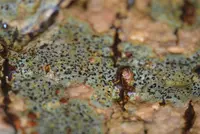
These insects are microscopic arthropods that feed on moss tissues, causing a roughened texture, faded color, and very fine speckling or pitting on leaves under magnification. Symptoms include slow thinning of cushions even when light and moisture appear suitable.

Solution

Increase humidity stability and avoid prolonged stress from drought or intense direct sun, which can favor some problematic mite species. Rinse the moss with a gentle but thorough stream of water to dislodge mites, and in persistent cases, renew the culture by transferring only healthy, rinsed tips to a fresh, clean substrate to restart growing Selwyn's atrichum moss under controlled conditions.

Interesting Facts

Distinctive star-like rosettes

This moss forms loose, star-shaped leaf rosettes with narrowly lanceolate leaves that twist when dry and spread when moist, a useful field clue separating it from closely related Atrichum species.

Coarse leaf ornamentation

Under a hand lens, its leaves show a strong midrib (costa) with paired teeth along the back and conspicuous, rectangular cells at the base, features used by bryologists to distinguish it from similar North American species in the genus.

Specialized acidic habitats

It typically grows on moist, acidic, often sandy or silty soils along stream banks, cut slopes, and exposed mineral soil in forests, making it a good indicator of disturbed but still relatively undisturbed, low-nutrient microsites.

FAQs about Selwyn's atrichum moss

This species can slowly form loose patches through creeping rhizoids and spore dispersal but is not considered aggressive. It usually coexists well with other shade plants and is simple to control by lifting or dividing clumps.

Grow Healthy Plants with Botan Care

Keep your plants happy and healthy with plant identification, disease detection, and easy care guidance.

Botan plant care app — identify plants on mobile

Explore More Plants