andreaea moss Care (Andreaea rupestris)

Also known as: Black Rock Moss
andreaea moss

About andreaea moss

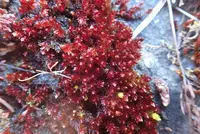
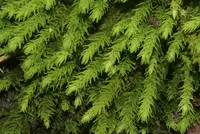
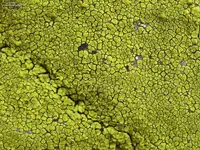
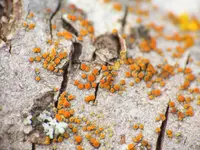
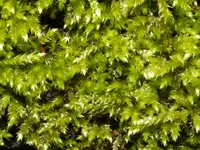
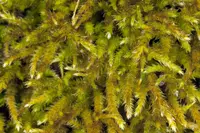
Andreaea moss (Andreaea rupestris) is a small, rock-dwelling moss that forms dark green to almost black tufts on exposed, often harsh mountain surfaces. Its fine, upright stems and tightly packed leaves give it a cushion-like appearance that clings closely to stone.

This species is native to cool, rocky regions of the Northern Hemisphere, especially in alpine and subalpine zones. It is adapted to strong light, frequent moisture from rain or fog, and very thin, mineral-rich substrates rather than typical soil.

Because it is specialized for these conditions, it can be challenging to care for andreaea moss in typical home environments. It generally prefers bright, cool, moist conditions with excellent air movement and clean, low-nutrient surfaces.

Main Plant Requirements

Care Difficulty

Hard Care

Light Preference

Partial Shade

Water Requirements

Keep Soil Moist

Temperature Preference

Cold Hardy

Hardiness Zone

3–7

Soil Texture

Rocky, Sandy

Soil pH

Strongly acidic (4.5–5.5)

Soil Drainage

Moist but well-drained

Fertilization

Minimal (feed rarely)

Get Personalized Care Plan

Scan your plant to receive care tips personalized for your specific plant

Available on iOS and Android

How to Care for the andreaea moss

This rock-dwelling moss prefers cool, soft light rather than harsh, direct sun.

  • Provide bright, indirect light or light dappled shade, with 2–4 hours of gentle morning sun and no strong afternoon sun to avoid bleaching and drying.
  • In open, rocky sites, give some protection from midday sun using nearby stones, low plants, or partial overhangs to create filtered light pockets.
  • In darker seasons or shaded exposures, andreaea moss may grow more slowly; ensure at least 6 hours of ambient daylight, even if indirect.

This species prefers consistently moist conditions without prolonged saturation.

  • On natural rock or thin substrates, mist lightly whenever the surface feels almost dry, often every 1–3 days in warm, breezy weather, less often in cool, damp periods.
  • Aim for a surface that feels damp but not dripping; prolonged standing water encourages decay and algae that can smother Andreaea rupestris.
  • Watch the moss tips: crisp, pale tips suggest it is drying out, while limp, dark, or slimy patches point to overwatering or poor drainage around the colony.

This moss is adapted to cool, rocky habitats and dislikes prolonged heat or severe drying.

  • Optimal growth occurs around 45–65°F (7–18°C), with steady moisture and good air movement around the rock surface.
  • It tolerates cold down to about 20°F (-6°C) when naturally acclimated, but sudden hard freezes with drying winds can cause desiccation damage.
  • Sustained temperatures above 80°F (27°C), especially with strong sun, increase stress; provide shade, extra humidity, and more frequent misting during hot, dry spells.

This moss prefers consistently moist air similar to cool, rocky stream or cliff habitats.

  • Aim for 50–80% humidity; it tolerates brief dips lower if kept evenly moist at the base.
  • Dry indoor air causes pale, brittle shoots and slower tuft expansion in andreaea moss.
  • Increase humidity with a nearby tray of wet gravel, grouped pots, or a loose humidity dome with vents for air exchange.

For cultivation, this species grows best on a rocky, sharply drained yet constantly moist substrate rather than typical potting soil.

  • Mimic natural rock crevices using a very coarse, mineral-based mix such as 60–70% fine gravel or grit with 30–40% inert sand.
  • Ensure extremely fast drainage; water should run through in seconds, leaving the mix damp but never waterlogged or muddy.
  • Keep pH slightly acidic to neutral by avoiding limestone chips and using inert materials like quartz grit or granite chips.
  • Improve aeration by using shallow trays or crevice-style containers that spread the thin substrate in a narrow, well-ventilated layer suitable for Andreaea rupestris.

This species can be grown in shallow containers if the setup accurately mimics a moist rock-face environment.

  • Use a wide, low, heavy container to stabilize the shallow rocky substrate and prevent tipping in outdoor wind exposure.
  • Drill or use multiple small drainage holes so water exits quickly while thin rock-filled layers remain just damp.
  • Leave some rock surfaces exposed above the substrate to create elevated, better-aerated pads where moss can anchor and avoid standing water at the base.

This rock-dwelling moss has very low nutrient needs and usually thrives without added fertilizer in naturalistic setups.

Andreaea rupestris needs only minimal grooming to keep cushions tidy and healthy.

  • Best timing is during active growth in spring or early summer, when recovery is fastest.
  • Gently remove dead, discolored, or detached shoots with tweezers or fingers to maintain clean mats.
  • Thin out overly dense patches by lifting small tufts, which improves airflow and reduces moisture-related issues.
  • Avoid cutting deeply into healthy cushions, as heavy pruning can weaken the colony structure.

This moss is more often transplanted on hardscape than repotted in traditional containers.

  • Transplant when growth becomes patchy, when clumps detach from rock, or when the substrate surface dries too fast.
  • Best season is cool, moist weather in spring or early fall, which limits desiccation stress.
  • Typical intervals are 2–4 years, moving small cushions to fresh, clean rock or inert substrate with good texture.
  • Handle clumps gently, press onto the new surface, mist thoroughly, and keep humidity high until attachment resumes.

Spreading Andreaea rupestris is possible but slower than with many common mosses.

  • Division of small cushions in cool, moist spring conditions is the most practical method.
  • Lift tufts carefully, split into tiny plugs, and press firmly onto rough, clean stone or similar hardscape.
  • Maintain constant high humidity, low to moderate light, and gentle air movement to encourage new rhizoid anchoring.
  • Spore propagation is mainly for specialists and requires sterile tools, stable moisture, and controlled light levels.

This species is naturally cold hardy on exposed rocks and usually needs no special winter care in temperate climates.

Care Tips

Use stone slabs

Establish the moss on rough, unglazed stone slabs or lava rock and then place these on top of your substrate, which improves drainage, mimics natural rock faces, and allows easy repositioning if conditions change.


Create cool microclimates

Site the moss in naturally cooler spots such as the north side of rocks, near shaded water features, or at the base of walls to maintain a more stable, low temperature range through summer heat.

Avoid physical disturbance

Protect colonies from foot traffic, pets, and overhead watering splashes by using edging stones or low mesh barriers, since even light abrasion can break cushions and slow regrowth.

Control competing growth

Regularly hand-pick tiny seedlings, algae patches, and liverworts from the moss surface using tweezers, so the cushions are not shaded or overgrown by faster competitors.

Seasonal moisture buffering

In exposed outdoor sites, tuck flat stones or gravel around moss cushions to reduce wind exposure and surface drying, which stabilizes moisture levels during seasonal weather shifts when growing andreaea moss.

Common Pests and Diseases

Desiccation damage

Symptoms include browning, crisping, and loss of cushions on exposed rock surfaces during extended dry or hot periods. This condition results from excessive drying of shoots beyond their natural tolerance, especially in artificial or indoor settings.

Solution

Provide consistently cool, moist air and maintain regular but gentle misting so the moss can rehydrate slowly, avoiding sudden soaking in very warm water. Reduce heat, protect from direct sun, and, for andreaea moss indoor care, use a humidity tray or enclosed terrarium setup to stabilize moisture levels around the colony.

Algal overgrowth

This disease-like condition appears as green, slimy films or patches smothering the moss surface in constantly wet and nutrient-enriched conditions. This growth competes with the moss for light and can cause yellowing and thinning of shoots.

Solution

Reduce nutrient input by avoiding fertilizer, improve air movement, and allow brief periods of surface drying between mistings while keeping the substrate just moist. Manually remove algal films with gentle rinsing or a soft brush under cool water, then adjust watering and light to maintain bright, cool, low-nutrient conditions.

Fungal mold

This disease shows as white, gray, or slightly fuzzy patches at the base of dense cushions in poorly ventilated, very humid setups. Over time it can cause localized dieback, softening, and decay of affected shoots.

Solution

Increase ventilation, slightly reduce overall humidity, and thin overly dense clumps so air can move through the cushions. Remove and discard affected portions, gently rinse the remaining moss with cool water, and, if needed, apply a mild, moss-safe fungicidal drench at low concentration while monitoring for regrowth.

Springtail overpopulation

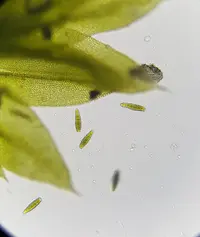
These insects are tiny, pale or dark jumping arthropods that can build up in enclosed, constantly wet moss environments. While usually scavengers, very high numbers can stress delicate new growth and indicate excessive organic buildup.

Solution

Reduce constantly saturated conditions by allowing short drying intervals at the surface and remove decaying organic debris trapped in the moss. Manually flush the colony with cool water to lower numbers, introduce better airflow, and, if necessary in a terrarium, use yellow sticky traps nearby to catch excess individuals without directly treating the moss with chemicals.

Mite infestation

This pest issue may present as very fine webbing, dull or bleached patches, and slow thinning of cushions, especially in warm, dry indoor air. These mites feed on delicate moss tissues and can spread in closed containers or dry, stagnant conditions.

Solution

Increase ambient humidity while enhancing airflow, then gently rinse the moss under a cool, fine spray to dislodge mites and webs. For persistent problems, place the moss in a cooler, more humid and shaded environment and use a moss-safe miticidal soap at very low strength, followed by thorough rinsing after the recommended contact time.

Interesting Facts

Slate rock specialist

This species is strongly associated with hard, acidic rocks such as slate and schist in cold, high-elevation environments, where it forms dark cushions in rock crevices and fissures.

Unusual spore capsules

Its spore capsules split open by several longitudinal slits rather than a typical circular lid, a characteristic feature of the family Andreaeaceae that allows gradual spore release in dry conditions.

Cold-tolerant distribution

Andreaea rupestris is widely distributed across boreal and arctic-alpine regions of the Northern Hemisphere, where it endures long periods of freezing temperatures and short growing seasons.

Botan icon

Did you know?

Andreaea rupestris belongs to one of the most ancient moss lineages, and its combination of dark, almost black pigmentation and slit-opening capsules has made it an important reference taxon in studies on early moss evolution and diversification in harsh rocky habitats.

FAQs about andreaea moss

This species grows very slowly, often adding only a few millimeters per year. Growth is faster on consistently cool, moist rock surfaces. Limited nutrients and dry air commonly slow it further, so patience is essential when growing andreaea moss.

Grow Healthy Plants with Botan Care

Keep your plants happy and healthy with plant identification, disease detection, and easy care guidance.

Botan plant care app — identify plants on mobile

Explore More Plants