


Use Acidic Topdressing
Sprinkle a very thin layer of fine pine bark mulch or milled sphagnum over the moss surface 1–2 times per year to maintain a slightly acidic micro-layer that supports healthy growth and discourages algae dominance.

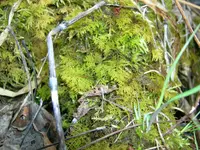
Delicate thuidium moss, Thuidium delicatulum, is a creeping, carpet-forming moss often called fern moss because of its finely divided, fern-like fronds. It creates soft, dense mats that follow the contours of soil, rocks, or rotting wood, giving a natural, forest-floor look in terrariums and shaded gardens.
In nature it occurs across much of North America in moist woodlands, stream banks, and shaded slopes. It is generally easy to maintain if kept consistently damp and protected from direct, drying sun. Stable moisture and gentle, indirect light are the main factors that influence how to care for delicate thuidium moss.

Care Difficulty
Moderate Care

Light Preference
Partial Shade

Water Requirements
Keep Soil Moist

Temperature Preference
Cold Hardy

Hardiness Zone
3–9

Soil Texture
Loamy, Peaty, Organic-rich

Soil pH
Strongly acidic (4.5–5.5), Acidic (5.5–6.5)

Soil Drainage
Moist but well-drained

Fertilization
Minimal (feed rarely)
Scan your plant to receive care tips personalized for your specific plant
Available on iOS and Android
This moss prefers soft, forest-style light that avoids harsh midday sun.
This species prefers constantly moist, never soggy, conditions around its shallow root-like structures.
This forest moss prefers cool to mild conditions and tolerates a wide outdoor temperature range.
This moss needs consistently high humidity to stay dense and bright green.
This moss prefers a consistently moist, loose, organic-rich substrate that mimics a forest floor.
This species adapts well to shallow container culture for terrariums or outdoor dish gardens.
Thuidium delicatulum is adapted to low-nutrient habitats and usually needs only minimal feeding in cultivation.
Pruning Thuidium delicatulum focuses on light grooming rather than structural shaping.
This moss is more often transplanted as mats than repotted, since it naturally forms surface carpets.
Thuidium delicatulum spreads primarily by division of existing mats rather than from spores in home settings.
This moss is generally cold hardy in temperate climates and usually needs little special winter care.

Plant Health Check
Not sure what's wrong with your plant? Check your plant's health inside the app.
This moss forms flattened, tripinnate shoots that closely resemble miniature fern fronds, which is why it is often called fern moss or common fern moss in field guides.
It frequently colonizes compacted or disturbed forest soils and rotting wood, helping trap leaf litter and fine particles that gradually improve soil structure and moisture retention.
Populations of this species are often more abundant and vigorous in cool, humid, shaded forests, so bryologists and foresters sometimes use its presence and condition as a rough indicator of stable, moist microclimates.

In some eastern North American forests, this species can form extensive, continuous carpets across the forest floor, effectively creating a living green layer that influences seedling establishment by altering temperature, moisture, and light at the soil surface.
Growth is moderate. In suitable shade and moisture, it usually spreads several cm per year, forming a dense mat over 1–3 years. Disturbance, low humidity, or irregular moisture can slow growth significantly. Growing delicate thuidium moss requires patience.
Keep your plants happy and healthy with plant identification, disease detection, and easy care guidance.

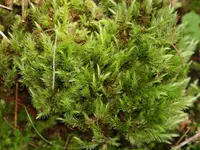
aulacomnium moss
Aulacomnium palustre
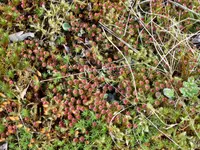
atrichum moss
Atrichum angustatum
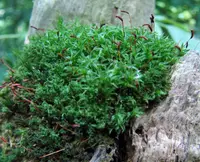
undulate atrichum moss
Atrichum undulatum

andreaea moss
Andreaea rupestris
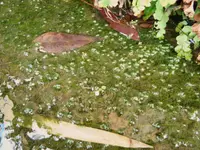
streamside leptodictyum moss
Leptodictyum riparium
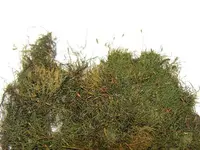
Creeping Feather Moss
Amblystegium serpens
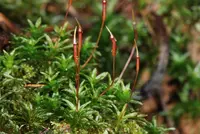
Selwyn's atrichum moss
Atrichum selwynii
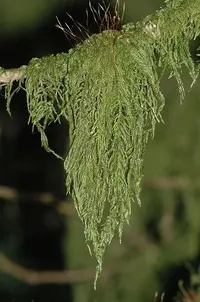
antitrichia moss
Antitrichia curtipendula