Wall Scalewort Care (Porella platyphylla)

Wall Scalewort

About Wall Scalewort

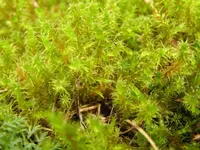
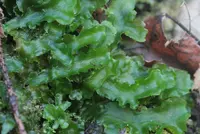
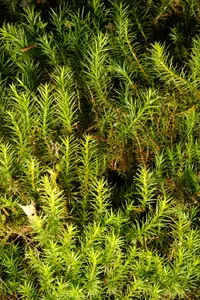
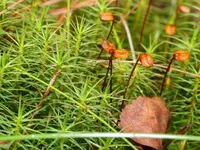
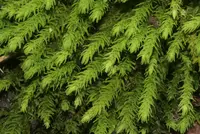
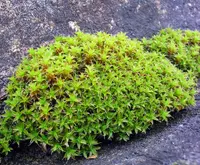
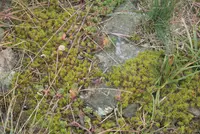
Wall scalewort, Porella platyphylla, is a leafy liverwort, a simple non-vascular plant that spreads as flat, overlapping shoots. It forms dense green to olive mats that cling tightly to shaded rock faces, old walls, and damp bark. In nature it is common in cool, humid woodlands across parts of Europe and North America. The plant absorbs water and nutrients directly through its leaves, so it depends on consistent moisture and clean air. It is sensitive to drying winds and pollution, which makes it more suited to specialized terrariums or shaded outdoor stonework than to typical houseplant conditions. Anyone who wants to learn how to care for Wall Scalewort benefits from mimicking its cool, moist, low-light habitat.

Main Plant Requirements

Care Difficulty

Hard Care

Light Preference

Shade

Water Requirements

Keep Soil Moist

Temperature Preference

Cool Climate

Hardiness Zone

5–8

Soil Texture

Rocky, Organic-rich

Soil pH

Acidic (5.5–6.5)

Soil Drainage

Moist but well-drained

Fertilization

Minimal (feed rarely)

Get Personalized Care Plan

Scan your plant to receive care tips personalized for your specific plant

Available on iOS and Android

How to Care for the Wall Scalewort

This shade-loving liverwort prefers cool, low-light conditions similar to moist rock faces or forest walls in nature.

  • Provide bright shade or dappled light with no more than 1–2 hours of very soft morning sun; avoid direct midday or afternoon sun to prevent bleaching and drying of Wall Scalewort mats.
  • Allow only filtered light under trees, on north- or east-facing walls, or in rock crevices where surrounding structures block harsh rays for most of the day.
  • In summer, protect from strong sun with extra shade or leaf litter; in winter, slightly higher light through bare branches is acceptable but still not full direct sun.

This moss-like liverwort needs consistently moist surroundings rather than intermittent soaking and drying.

  • Keep the substrate constantly damp to the touch but not waterlogged; surfaces should glisten slightly without standing water pooling around the Porella platyphylla colonies.
  • Increase moisture checks during warm or windy weather and mist or gently rinse when fronds start to curl, feel less pliable, or lose their glossy appearance.
  • Reduce direct overhead watering in cool seasons to prevent stagnant moisture; pale, mushy, or foul-smelling patches indicate chronic overwatering and poor air movement.

This species prefers cool, humid conditions and is naturally adapted to sheltered, temperate microclimates.

  • Aim for 45–65°F (7–18°C) for steady growth; mild fluctuations are fine if the substrate stays moist and the air remains humid.
  • Tolerates short dips to about 25°F (-4°C) when attached to protected rock or wall surfaces, but repeated hard freezes with drying winds can cause dieback.
  • Above 75°F (24°C), increase humidity and shade and prevent drying airflow, since hot, exposed conditions quickly desiccate delicate shoots.

This species needs consistently high humidity to stay dense and healthy on surfaces.

  • Aim for 70–90% humidity, as Wall Scalewort naturally grows on damp, shaded rock or bark.
  • Dry indoor air below 50% causes crisping edges, pale patches, and thinning mats.
  • Increase humidity by using covered terrariums, placing near constantly moist hardscape, or misting surfaces lightly without saturating the plant.

In cultivation this species behaves more like a moss on a substrate surface than a classic soil-rooted plant.

  • Use a thin layer of fine, stable, organic-rich medium such as milled sphagnum mixed with crushed bark or leaf mold over rock or inert gravel.
  • Ensure the substrate stays evenly moist but never waterlogged, with excess water draining away freely from below the substrate layer.
  • Maintain slightly acidic conditions around pH 5.0–6.5 to match typical habitats of Porella platyphylla on shaded rock and tree bases.
  • Avoid dense potting mixes, peat-only plugs, or compacted garden soil that hold stagnant water and reduce aeration around the rhizoids.

This species can be grown in shallow containers or terrariums when humidity and moisture are carefully controlled.

  • Select broad, shallow trays that allow the mat to spread horizontally rather than deep pots that trap excess moisture below unused substrate.
  • Use inert hardscape pieces (rock, cork, or bark) set above a drainage layer so water can collect below without soaking the entire substrate surface.
  • Choose glass or plastic containers with limited airflow if extra humidity retention is needed, but keep a small vent to prevent persistent condensation on the plant.

Porella platyphylla, often called Wall Scalewort, generally thrives on nutrient-poor substrates and needs little or no fertilization in cultivation.

Porella platyphylla needs only minimal pruning to keep mats healthy and tidy.

  • Trim small sections in early to mid spring, before active growth is strongest.
  • Pinch or snip away dead, discolored, or detached shoots to limit decay and fungal issues.
  • Remove overcrowded patches to improve air movement and maintain an even, low mat.
  • Use fine scissors or small snips, cutting lightly above the substrate without tearing rhizoids.

This liverwort is rarely grown in traditional pots, so care focuses on transplanting mats rather than repotting.

  • Transplant when growth becomes patchy, the substrate breaks down, or the mat lifts and dries at the edges.
  • Choose mild, moist weather in spring or early fall to minimize stress and desiccation.
  • Lift thin sections with a blunt tool, keeping attached substrate under the rhizoids as much as possible.
  • Re-seat fragments on fresh, cool, shaded stone or bark, then mist thoroughly and keep evenly moist until reestablished.

Porella platyphylla is commonly multiplied by vegetative division rather than by spores in home or educational settings.

  • Best season for division is spring or early fall, when moisture is reliable and temperatures are cool.
  • Gently tear or cut small mat fragments, each with healthy green shoots and some attached substrate.
  • Press sections onto clean, rough stone or bark so rhizoids can anchor securely.
  • Maintain high, steady humidity and soft, frequent misting until new growth indicates firm attachment.

Established Porella platyphylla colonies in temperate climates are generally cold hardy and need little specific winter care outdoors.

  • In exposed sites, ensure substrate does not dry out completely during freeze–thaw cycles.
  • Avoid de-icing salts and splashing road runoff, which can burn delicate tissues.
  • Move any container-grown cultures to a shaded, frost-free but cool area with high humidity.

Care Tips

Choose stable substrate

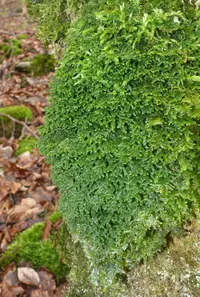
Attach the liverwort to firm, non-crumbly stone, old brick, or compact mortar rather than loose rock so the mats can anchor securely and are not dislodged by rain splash or handling.

Limit competitive mosses

Periodically lift and gently tease away invading moss or algae mats with blunt tweezers or a soft brush so the shoots receive light and air instead of being smothered over time.

Use rain or stream water

Collect soft rainwater or use dechlorinated, low-mineral water in a fine mist to hydrate colonies, since hard, lime-rich water can leave deposits that gradually stress the delicate thalli.

Protect from abrasion

Site colonies away from foot traffic, hose spray, and brushing tools, and if necessary use a simple barrier or marker stones so the fragile layered shoots are not scraped or crushed during other garden work.

Seasonal moisture checks

In late summer and during dry, windy periods, check rock faces more often and lightly mist only when the surface feels nearly dry, which helps balance desiccation tolerance with steady vigor when growing Wall Scalewort.

Common Pests and Diseases

Fungal overgrowth

This disease shows as a dense, gray‑white or dark fungal film covering the shoots and leaf lobes in persistently wet, shaded sites with poor air movement. Symptoms include a matted look, loss of the crisp leaf outline, and gradual thinning of the colony.

Solution

Improve air circulation, avoid continuous water dripping on the same patch, and gently thin surrounding vegetation to reduce shade without letting the substrate dry completely. Rinse colonies with clean, low‑pressure water to remove surface growth and organic debris, and in outdoor collections avoid fungicides unless the moss is part of a high‑value display that a bryophyte specialist supervises.

Algal colonization

This disease appears as a slimy, bright green film forming on top of the moss, especially on walls and rocks that stay constantly wet and receive some light. Symptoms include a slippery surface and patches of Porella turning dull and receding under the algal layer.

Solution

Reduce constant surface wetting by adjusting irrigation or splash from nearby sources and slightly increase shade or diffuse light to favor the liverwort over the algae. Rinse the surface gently with water to remove algal films and organic deposits, and in small cultivated patches carefully scrape heavy algal crusts from adjacent hard surfaces without disturbing the rhizoids that attach the plant.

Slugs and snails

These pests graze on the soft leafy shoots, leaving irregular bare patches, shredded edges, and slime trails on and around the colony. Damage is usually worse in cool, damp conditions and in shaded corners of rock gardens or wall plantings.

Solution

Hand‑remove slugs and snails during damp evenings, and use physical barriers such as copper tape or rough mineral mulches around cultivated patches. Reduce nearby hiding places like dense ground litter, and if damage remains severe, place species‑appropriate traps just outside the moss area rather than using broad chemical baits near the colony while focusing on Porella platyphylla care as a moisture‑sensitive bryophyte.

Springtail infestation

These insects are tiny, pale to dark jumping arthropods that thrive in constantly wet substrates rich in decaying organic matter around the moss. Symptoms include a fine peppering of moving dots on the surface and occasional minor nibbling damage on tender new growth in heavily stocked terraria or troughs.

Solution

Improve drainage so that the substrate is moist but not waterlogged and reduce excess organic debris, such as decaying leaves, around the colony. In enclosed displays, increase ventilation slightly and, if numbers stay high, briefly flood‑rinse the surface with clean water and siphon away dislodged springtails rather than using insecticides.

Interesting Facts

Calcicole rock specialist

This liverwort tends to colonize shaded, base-rich rock, especially old mortar, limestone walls, and calcareous boulders, making it a characteristic species of long-established stonework in Europe and parts of North America.

Distinctive three‑ranked leaves

Its shoots show strongly flattened, overlapping leaf lobes arranged in three clear rows, a growth form that helps shed water efficiently over rock surfaces while maintaining a humid boundary layer close to the plant.

Indicator of stable shade

This species often indicates long-term, cool, and humid microclimates, since it is slow to colonize new sites and is sensitive to strong light and repeated drying on exposed rock or masonry.

Botan icon

Did you know?

Historical records show that this species was among the early liverworts described from European man-made stone structures, where it helped bryologists document how mosses and liverworts gradually assemble cryptogamic communities on old walls and buildings.

FAQs about Wall Scalewort

This liverwort spreads slowly to moderately by creeping stems and fragmentation. It usually forms low, patchy mats rather than thick carpets. In gardens or terraria, regular trimming and physical removal keep it within the desired area.

Grow Healthy Plants with Botan Care

Keep your plants happy and healthy with plant identification, disease detection, and easy care guidance.

Botan plant care app — identify plants on mobile

Explore More Plants