Bank Haircap Moss Care (Polytrichum formosum)

Bank Haircap Moss

About Bank Haircap Moss

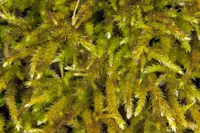
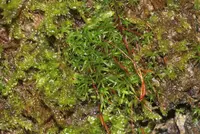
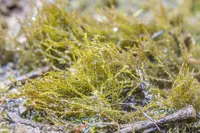
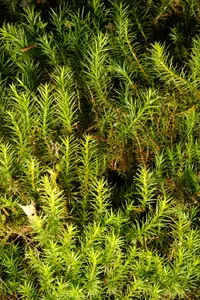
Bank haircap moss (Polytrichum formosum) is a robust, upright moss that forms dense, cushion-like clumps with stiff, bristle-tipped shoots. Its leaves overlap in tight spirals, giving each stem a starry, bottlebrush look when moist and a slender, darker profile when dry.

In nature it typically grows on banks, woodland floors, and acidic soils across cooler regions of the Northern Hemisphere. It adapts well to consistently moist, shaded or semi-shaded spots, which makes it useful in terrariums, moss gardens, and naturalistic landscaping.

Its hardiness and slow, steady growth make it relatively simple to care for Bank Haircap Moss once light and moisture are stable and the substrate stays low in nutrients and undisturbed.

Main Plant Requirements

Care Difficulty

Moderate Care

Light Preference

Partial Shade

Water Requirements

Keep Soil Moist

Temperature Preference

Cold Hardy

Hardiness Zone

3–8

Soil Texture

Loamy, Peaty, Organic-rich

Soil pH

Strongly acidic (4.5–5.5), Acidic (5.5–6.5)

Soil Drainage

Moist but well-drained

Fertilization

Minimal (feed rarely)

Get Personalized Care Plan

Scan your plant to receive care tips personalized for your specific plant

Available on iOS and Android

How to Care for the Bank Haircap Moss

This moss thrives in cool, shaded woodland-style light rather than strong, direct sun.

  • Provide bright shade or dappled light, such as beneath shrubs or open trees, with 1–3 hours of soft morning sun and no harsh afternoon sun.
  • Bank Haircap Moss tolerates deep shade but grows denser with filtered light; excessive shade can slow growth and reduce its rich green color.
  • Protect from more than 2–3 hours of direct midday summer sun, which can scorch shoots and dry the substrate; in winter, slightly more sun is usually safe.

This species needs consistently moist conditions that mimic its natural forest floor habitat.

  • Keep the substrate evenly moist, never waterlogged; surface should feel damp but not soupy when touched.
  • Increase watering when the top 0.5–1 cm begins to feel slightly less moist; reduce frequency in cool, wet seasons while ensuring the moss never fully dries.
  • Watch for pale, crisp tips as a sign of underwatering, and blackened, slimy patches or a sour smell as signs of overwatering and poor drainage.

This moss is naturally adapted to cool, temperate climates and tolerates a wide range of outdoor temperatures.

  • Optimal growth occurs around 45–65°F (7–18°C), typical of shaded woodland conditions with steady moisture.
  • Polytrichum formosum survives light to moderate frosts down to about 10–15°F (-12 to -9°C) if the substrate stays moist and not exposed to drying winds.
  • Heat above 80°F (27°C), especially combined with strong sun, can stress the plant; provide extra shade and moisture during hot, dry periods.

This moss prefers consistently moist, humid conditions and reacts quickly to dry air.

  • Aim for 60–90% humidity, keeping the substrate damp but not waterlogged at all times.
  • Tolerates brief dips to 40–50%, but fronds curl, brown at the tips, and feel crisp when humidity is too low.
  • Increase humidity with a closed terrarium, covered tray with wet sphagnum, or frequent fine misting in caring for Bank Haircap Moss.

This moss grows best in moist, acidic, organic-rich substrates that stay airy yet never fully dry.

  • Use a mix of fine pine bark, leaf mold or peat, and a little sand to mimic a loose forest floor.
  • Target acidic conditions around pH 4.5–5.5, avoiding alkaline materials like lime or crushed shells.
  • Ensure slow but steady drainage by using a shallow layer of coarse sand or fine grit beneath the main mix.
  • Avoid compacted, clay-heavy, or constantly waterlogged substrates, which suffocate rhizoids and invite rot in Polytrichum formosum.

This species can be grown in shallow containers if moisture and stability are managed carefully.

  • Choose a broad, shallow container to allow dense mat formation while keeping the moist substrate evenly oxygenated.
  • Use a heavier ceramic or stone pot to stabilize the upright shoots and reduce rapid moisture loss from sidewalls.
  • Raise the container on feet or spacers so drainage holes clear freely, preventing stagnant water from pooling at the base.

Polytrichum formosum usually grows well without added fertilizer when planted in suitable, low-nutrient substrates.

Polytrichum formosum needs almost no true pruning, only light grooming to keep colonies healthy and neat.

  • Trim away browned or decaying patches year-round using fine scissors to maintain an even cushion.
  • Lift and remove debris, fallen leaves, or algae mats that shade or smother the moss.
  • Avoid cutting deeply into green, active shoots, which slows spreading and weakens the colony.
  • Use clean, sharp tools and avoid stepping on cushions to prevent compaction and mechanical damage.

This moss is usually transplanted rather than repotted, as it is most often grown on soil, rock, or wood surfaces.

  • Plan transplanting in cool, moist weather, ideally in fall or early spring for lower stress.
  • Move mats when growth slows or when colonies outgrow the display area or substrate breaks down.
  • Lift sheets with a thin layer of underlying substrate, keeping rhizoids and clumps intact.
  • Lay moss onto the new damp, acidic substrate, press gently for contact, then keep evenly moist for several weeks.

Polytrichum formosum is most often propagated vegetatively by dividing or relocating patches rather than by spores at home.

  • Divide healthy mats in early spring or fall, cutting them into small sections with attached substrate.
  • Press sections onto fresh, moist, acidic medium such as peat-based mixes or rotting wood pieces.
  • Maintain high, even moisture and bright, indirect light to encourage new rhizoid anchoring and shoot extension.
  • Spore-based propagation is possible but slow, requiring consistently moist, sterile conditions and patience.

This moss is naturally cold hardy and usually needs no special winter care outdoors in typical temperate climates.

Care Tips

Use acidic substrate

When setting up a moss bed or terrarium, mix fine pine bark, peat, and clean sand in a shallow layer over mineral soil to maintain the slightly acidic, low-nutrient conditions this species needs for long-term health.

Anchor on slopes

On banks or terrarium mounds, press clumps firmly into roughened soil and secure them with short U-shaped wire pins or small twigs so the rhizoids can attach before heavy rain or watering loosens the carpet.

Control competing growth

Inspect the moss every few weeks and carefully tease out invading grasses, seedlings, and liverworts with tweezers so they do not shade or outcompete the shoots.

Manage leaf litter

In outdoor or open-top setups, gently lift off fallen leaves and needles with chopsticks or soft tongs rather than brushing, which can crush the upright shoots and damage the leaf tips.

Encourage spore set

If the goal is growing Bank Haircap Moss as a spreading groundcover, allow some patches to grow undisturbed so sporophytes (spore stalks) can mature and release spores, then keep the area evenly moist to support new colony establishment.

Common Pests and Diseases

Bryophyte rust fungi

This disease causes scattered yellow to orange spots or patches on moss shoots and can reduce vigor in dense patches. Symptoms include discolored, weakened tufts that thin out over time in persistently damp, low-airflow sites.

Solution

Remove and discard affected cushions, then reduce constant surface wetness by improving drainage and gentle air movement around the colony. Keep irrigation light and intermittent, avoid overhead watering where possible, and if growing Bank Haircap Moss in a controlled setup, thin very dense carpets so they dry slightly between mistings.

Saprolegniales damping

This disease arises in waterlogged or saturated substrates and leads to pale, collapsing shoots that brown rapidly at the base. Symptoms include a soft, slimy feel in the lower parts of the moss carpet, especially in containers or terraria with poor drainage.

Solution

Lower the water level or improve drainage so the substrate stays moist but not submerged or soupy. Remove and discard affected sections, then maintain high humidity with fine misting rather than standing water, and provide gentle airflow to limit stagnant, anaerobic conditions.

Slugs and snails

These pests feed on tender moss shoots, leaving irregular, grazed patches and ragged edges in outdoor cushions. This pest is most active at night and in very damp, shaded spots.

Solution

Hand-pick slugs and snails during evening or early morning, and use physical barriers such as copper tape or coarse grit around containers or defined moss beds. Reduce nearby hiding places such as dense ground litter, and use iron phosphate bait products if manual control is not sufficient.

Springtail overpopulation

These insects usually coexist harmlessly with moss but can become problematic in closed containers, where extremely high numbers disturb fine shoots and create a constantly wet microfilm that encourages decay. Symptoms include visible swarms of tiny jumping insects on the moss surface when disturbed.

Solution

Increase ventilation in terraria or propagation boxes, and let the substrate surface dry slightly between mistings while keeping overall humidity high. If numbers remain high, temporarily reduce organic debris, rinse removable moss cushions in clean, cool water, and re-establish them on a well-rinsed, low-nutrient substrate.

Green algal overgrowth

This issue occurs on constantly wet, nutrient-enriched surfaces, forming a slick, bright green film that smothers the moss. Symptoms include reduced shoot definition and a flat, shiny green layer that does not show the typical upright structure of Polytrichum formosum.

Solution

Rinse affected surfaces gently with clean water to physically remove algal films, then correct underlying causes by reducing fertilizer, limiting direct runoff from richer soils, and increasing light and airflow without letting the moss dry out completely. In containers, replace heavily contaminated top substrate and re-establish smaller, spaced patches to allow better surface drying between waterings.

Interesting Facts

Specialized leaf lamellae

This moss has tall parallel ridges of photosynthetic cells, called lamellae, on its leaf surfaces that increase light capture and reduce water loss, an adaptation to brighter and drier habitats than many other mosses tolerate.

Acidic woodland specialist

It naturally forms dense carpets on acidic, well-drained soils in coniferous and mixed forests, where it helps stabilize the soil surface and influences moisture and temperature at the forest floor.

Distinct male splash cups

Male plants develop conspicuous star‑shaped splash cups at the shoot tips, which use raindrop impact to disperse sperm over short distances to nearby female shoots.

Botan icon

Did you know?

This species often acts as an early colonizer on disturbed forest soils and track edges in Europe, creating a stable moss layer that facilitates the later establishment of heather, grasses, and tree seedlings by improving surface moisture retention and microsite conditions.

FAQs about Bank Haircap Moss

This species performs best outdoors in cool, humid, shaded sites with stable moisture. Indoors it is short‑lived unless humidity, airflow, and substrate moisture closely mimic woodland conditions, so outdoor culture is generally more reliable than Bank Haircap Moss indoor care.

Grow Healthy Plants with Botan Care

Keep your plants happy and healthy with plant identification, disease detection, and easy care guidance.

Botan plant care app — identify plants on mobile

Explore More Plants