fat duckweed Care (Lemna gibba)

Also known as: swollen duckweed, gibbous duckwee, thick duckweed, Duck's Meat, Frog-Buttons, inflated duckweed
fat duckweed

About fat duckweed

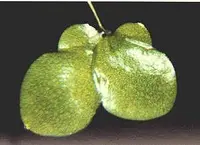
Fat duckweed, Lemna gibba, is a tiny free-floating aquatic plant commonly found on still or slow-moving freshwater such as ponds, ditches, and quiet lake edges. It forms dense green mats on the water surface, with small rounded fronds and fine roots hanging below. This simple structure allows very rapid spreading in nutrient-rich water, which makes it useful for water polishing and as a food source for some aquatic animals. The plant is generally easy to grow if it has calm, shallow, nutrient-rich water and good light. Understanding how to care for fat duckweed mainly involves managing nutrients, light, and water movement rather than soil or substrate.

Main Plant Requirements

Care Difficulty

Easy Care

Light Preference

Partial Sun

Water Requirements

Aquatic

Temperature Preference

Tropical / Frost Sensitive

Hardiness Zone

6–11

Soil Texture

Silty, Peaty, Organic-rich

Soil pH

Slightly acidic (6.5–7.0), Neutral (7.0)

Soil Drainage

Waterlogged tolerant

Fertilization

Minimal (feed rarely)

Get Personalized Care Plan

Scan your plant to receive care tips personalized for your specific plant

Available on iOS and Android

How to Care for the fat duckweed

Lemna gibba grows best on calm, shallow water with moderate, consistent light exposure.

  • Provide 4–6 hours of gentle sun daily, ideally morning sun with light afternoon shade, to support dense, green growth.
  • Allow partial shade for the rest of the day; filtered light under taller aquatic plants or pond edges suits fat duckweed well and limits overheating.
  • Limit intense midday summer sun, which can overheat shallow water and cause bleaching; in winter, choose the brightest, wind-sheltered pond areas.

Lemna gibba is a floating aquatic plant that depends on stable, clean, still or slow-moving water rather than soil moisture.

  • Maintain a consistent water depth of at least 10–15 cm so fronds stay fully afloat and roots hang freely without drying.
  • Watch plant color and spread: pale, shrinking mats or exposed roots signal low water level or poor quality, while foul odor or slimy surfaces often indicate excess nutrients and stagnation.
  • Change or top up pond or tub water as needed to keep it clear, low in pollutants, and free of strong surface agitation that can push plants aside.

This species prefers mild, stable water temperatures and is sensitive to both frost and extreme heat.

  • Aim for water temperatures around 68–82°F (20–28°C) for fastest Lemna gibba growth and healthy green fronds.
  • Avoid drops below about 41°F (5°C); growth slows sharply near this point and hard frost can kill exposed fronds at the surface.
  • Limit exposure to sustained heat above 90°F (32°C), which can overheat shallow ponds; increase shade and water depth during midsummer heat waves.

This floating aquatic species requires constantly saturated air right above the water surface, which naturally provides near-100% humidity.

  • Target 70–100% humidity in the growing area by maintaining open water surfaces and avoiding strong air currents over the tank or pond.
  • Fat duckweed tolerates brief exposure to drier room air, but persistent low humidity dries fronds at the edges and slows spread.
  • If fronds curl, yellow at tips, or feel papery, increase humidity by adding a cover, reducing surface agitation, and topping up water levels.

Lemna gibba does not need soil in the usual sense and grows best floating freely on still or slow-moving water.

  • Use a shallow container of dechlorinated water enriched with dissolved nutrients rather than any solid substrate under the plants.
  • If a substrate is desired, place a thin layer of fine, organic-rich pond mud or composted aquatic soil under at least 5–8 cm of water so fronds remain free-floating.
  • Keep water slightly acidic to neutral (pH 6.0–7.5) and avoid alkaline conditions, which reduce nutrient availability and slow vegetative growth.
  • Do not use dense garden soil, coarse sand, or gravel alone, as these trap debris, limit oxygen, and encourage anaerobic, foul-smelling zones under the water column.

This species is very suitable for container growing as a floating aquatic in tubs, bowls, or ponds.

  • Choose wide, shallow containers so fronds can spread laterally and light penetrates evenly across the surface.
  • Use rigid, tip-resistant containers, since a full surface mat becomes surprisingly heavy and can shift water if bumped.
  • Avoid porous clay containers that lose water quickly; smooth plastic or glazed tubs better stabilize water level and temperature.

Lemna gibba is a very low-demand floating aquatic plant that only needs light feeding in contained systems.

  • Use a dilute balanced aquatic fertilizer (for example 10-10-10) at 1/4 strength in ponds or tanks with low fish load.
  • Feed every 4–6 weeks during active warm-season growth if water tests show low nitrogen.
  • Avoid fertilizing during winter or dormancy periods when growth slows, to prevent algal blooms.
  • For fat duckweed indoor care, rely mainly on fish waste or organic load and add fertilizer only if growth stalls.

Lemna gibba maintenance focuses on thinning excess fronds rather than traditional pruning.

  • Skim off crowded surface mats year-round when they cover more than 70–80% of the water to maintain gas exchange and light penetration.
  • Remove discolored, decaying, or fouled fronds with a fine net to limit nutrient spikes and rot.
  • Harvest surplus plants to influence spread and density, keeping a thin, even layer for stable growth.
  • Use a soft aquarium net or small sieve, working gently to avoid driving fronds underwater or damaging other aquatic life.

This free-floating species is not repotted but can be transplanted between water bodies with basic care.

  • Move clumps to new ponds or containers in late spring or summer once water reaches 65–75°F for faster establishment.
  • Transplant when growth becomes too dense or when nutrient levels decline, using a clean net or cup to lift fronds.
  • Acclimate plants by floating them in the new water for 15–30 minutes so temperature and chemistry differences do not shock tissues.
  • Keep water calm and avoid strong surface agitation for a few days after transfer to reduce mechanical stress on tiny roots.

Lemna gibba multiplies mainly by vegetative division of fronds in suitable water conditions.

  • For Lemna gibba plant care, maintain clean, nutrient-moderate water and 6–8 hours of bright light to support rapid natural division.
  • In late spring through early fall, scoop a small starter portion and place it on the surface of the target pond or container.
  • Keep water still to gently moving, avoiding strong filtration that could trap or sink young fronds.
  • Seed propagation is rarely used; focus on division-based spread, monitoring to prevent unwanted over-colonization.

Lemna gibba in outdoor ponds tolerates cool conditions but is sensitive to hard freezing of the water surface.

  • In regions with mild winters, allow a reduced mat to overwinter in deeper, unfrozen pond zones.
  • Where ponds freeze solid, culture a backup indoors in an aquarium or tub under bright light at 60–70°F.
  • For container water gardens, bring tubs into a frost-free garage or basement before repeated nights below 32°F.

Care Tips

Containment strategy

Use a dedicated tub or tank with a physical rim barrier or floating ring so the plant mass is easy to harvest and does not escape into ponds, streams, or filters where it can become invasive or clog equipment.

Regular biomass harvest

Skim off 25–50% of the surface mat every few days using a fine net or sieve to prevent self-shading, maintain fast growth, and keep water quality stable.

Nutrient monitoring

Test water for nitrate and phosphate weekly in recirculating systems and top up with a balanced aquatic nutrient solution whenever levels drop, as deficiencies quickly slow growth and reduce leaf size.

Avoid strong agitation

Use gentle aeration such as an airstone placed at one side of the tank so water is oxygenated without breaking up the surface layer, since strong splashing disperses plants and can damage fronds.

Quarantine new stock

Keep new duckweed in a separate container for 1–2 weeks and observe for snails, algae, or disease before introducing it to established cultures, which greatly reduces pest transfer when growing fat duckweed.

Common Pests and Diseases

Watermeal competition

Symptoms include slowed spread of the duckweed mat, smaller fronds, and patches where duckweed is displaced by much finer green specks on the water surface. This issue comes from aggressive overgrowth of tiny Wolffia (watermeal) species competing for the same nutrients and light.

Solution

Skim the surface frequently with a fine net to remove watermeal, then manually thin and discard dense mixed mats so Lemna gibba can regrow from cleaner stock. Maintain slightly lower nutrient levels and moderate water movement so the larger duckweed has a light advantage, and periodically restart culture from a small, visually clean portion of the population in fresh water.

Algal overgrowth

This disease-like condition appears as cloudy green water or filamentous strands that tangle around the floating fronds, shading and smothering them. This problem is driven by excess nutrients and intense light that favor fast-growing algae over the duckweed.

Solution

Reduce nutrient loading by smaller or less frequent fertilizer additions, partial water changes, and careful control of fish waste if present. Shade the water slightly, increase gentle water movement, and manually remove filamentous algae; in culture tanks, a short dark period of 2–3 days can suppress algae while duckweed recovers more quickly afterward.

Snail grazing

These insects are absent; instead, aquatic snails feed directly on fronds, causing ragged edges, holes, and rapid thinning of the mat. This pest pressure is common in outdoor ponds and mixed aquaria where snails reproduce quickly.

Solution

Physically remove visible snails and egg masses from tank walls, equipment, and plants, and use snail traps or baited lettuce leaves removed after a few hours. For sensitive cultures, maintain Lemna gibba in dedicated snail-free containers and rinse any new plant material thoroughly before introduction to prevent re‑infestation; for aquaria, some fish species that consume snails can help keep populations in check.

Bacterial soft rot

This disease causes fronds to become water-soaked, translucent, and slimy, often breaking apart and sinking. Symptoms include a foul or sour odor from the culture water and rapid collapse of once‑healthy mats, especially in warm, nutrient-rich, stagnant conditions.

Solution

Discard heavily affected cultures, rinse any salvageable fronds under clean water, and restart in a sanitized container with fresh, low‑organic water. Improve hygiene by avoiding overfeeding fish, removing dead organic debris promptly, maintaining moderate water circulation, and lowering water temperature within the recommended range for Lemna gibba plant care.

Fungal frond blight

This disease starts as tiny pale or brown pinpoints on fronds that expand into irregular dead patches, causing fronds to yellow, curl, and sink. It is favored by overcrowded mats, stagnant water, and accumulation of decomposing plant material on the surface.

Solution

Thin the duckweed mat regularly to improve water contact and gas exchange, and remove all discolored or decaying fronds so they do not serve as a source of spores. Clean containers, nets, and tools, refresh part of the water frequently, and if growing fat duckweed in controlled culture, keep a separate, clean starter population to re‑establish healthy stock if blight recurs.

Interesting Facts

Morphological plasticity

This species can alter its form depending on nutrient and light conditions, often becoming more swollen and gibbous in nutrient-rich, still waters, which is the origin of its species name gibba (humped).

High growth potential

Under optimal conditions in calm, eutrophic ponds, this duckweed can form dense surface mats that substantially reduce light penetration and can strongly influence the temperature and oxygen levels in the upper water layer.

Bioindicator for pollution

Lemna gibba is widely used in standardized ecotoxicology tests (such as OECD Test Guideline 221) because its rapid clonal growth and sensitivity to chemicals make it a reliable indicator of nutrient enrichment and certain pollutants in freshwater systems.

Botan icon

Did you know?

This species has specialized gas-filled spaces in its tissues that increase buoyancy, allowing the fronds to float efficiently at the water surface and maintain optimal access to light for photosynthesis.

FAQs about fat duckweed

This species can become invasive in still or slow-moving water, especially where nutrients are high. It can form dense mats that block light, reduce oxygen, and outcompete native aquatic plants, so regular removal is often needed.

Grow Healthy Plants with Botan Care

Keep your plants happy and healthy with plant identification, disease detection, and easy care guidance.

Botan plant care app — identify plants on mobile

Explore More Plants