Secure Marginal Edges
Plant in baskets or fabric aquatic pots lined with burlap or fine mesh so the saturated soil stays in place and roots are contained at the pond or bog edge.

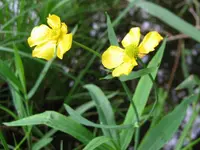
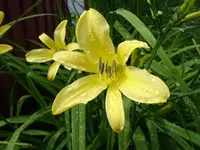
Greater spearwort, Ranunculus lingua, is a tall, moisture-loving perennial usually found along pond edges, slow streams, and wet meadows. It forms upright clumps with lance-shaped leaves and bright yellow, buttercup-like flowers.
In the wild it occurs across much of Europe and parts of Asia, favoring consistently damp or shallowly flooded soils. In gardens it suits naturalistic ponds and rain gardens where its strong vertical stems add structure.
This species is relatively easy to grow if given constant moisture and full sun to light shade. Gardeners who understand how to care for Greater Spearwort mainly need to provide stable water levels and avoid dry sites.

Care Difficulty
Moderate Care

Light Preference
Full Sun

Water Requirements
Aquatic

Temperature Preference
Cold Hardy

Hardiness Zone
4–9

Soil Texture
Loamy, Silty, Organic-rich

Soil pH
Slightly acidic (6.5–7.0), Neutral (7.0)

Soil Drainage
Waterlogged tolerant

Fertilization
Minimal (feed rarely)
Scan your plant to receive care tips personalized for your specific plant
Available on iOS and Android
This semi-aquatic perennial prefers bright exposure but tolerates some shade, especially in warmer climates.
This species is adapted to marshes and pond margins, so it thrives with constant moisture and even shallow standing water.
This hardy wetland plant tolerates a wide temperature range but has clear limits for growth and survival.
This semi-aquatic species prefers constantly moist air close to water surfaces, but tolerates wider garden humidity outdoors.
This plant is adapted to saturated, heavy soils rather than typical garden beds.
This species can be grown in containers when those containers are treated as aquatic or bog planters.
Ranunculus lingua is a marginal aquatic that benefits from light, consistent nutrition in active growth.
Pruning Ranunculus lingua supports tidy growth and sustained flowering in wetland plantings.
This species is most often transplanted in ponds or bog gardens rather than kept as a long-term container plant.
Ranunculus lingua is commonly propagated by division, with seed used mainly for larger, naturalistic plantings.
This wetland perennial is fairly cold hardy in much of the US and usually needs minimal winter care outdoors.

Plant Health Check
Not sure what's wrong with your plant? Check your plant's health inside the app.
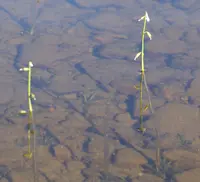
This species naturally grows in shallow water, ditches, and marshy margins of slow streams and lakes, with its rootstock anchored in saturated or submerged soils while the stems emerge above the water surface.
Among buttercups native to Europe, this species is notable for its height, with robust flowering stems that can tower over many other wetland herbs and smaller Ranunculus species.
In the wild it favors nutrient-rich, fine-textured muds and silts, and often serves as an indicator of fertile, relatively undisturbed wetland soils with stable water levels.

In parts of central and northern Europe, this species has declined or disappeared from many former sites due to drainage of wetlands and river regulation, and is now considered regionally threatened or protected in several countries as a characteristic plant of semi-natural wetland habitats.
This species spreads steadily by rhizomes and self-seeding in consistently wet ground. In small ponds or narrow bog beds, use root barriers or containers and remove unwanted seedlings to prevent it from forming dense, dominant clumps.
Keep your plants happy and healthy with plant identification, disease detection, and easy care guidance.