Water Lobelia Care (Lobelia dortmanna)

Also known as: Dortmann's cardinalflower
Water Lobelia

About Water Lobelia

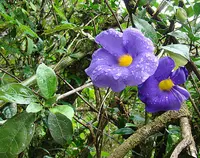
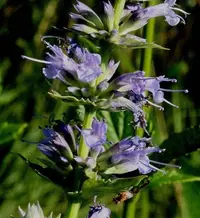
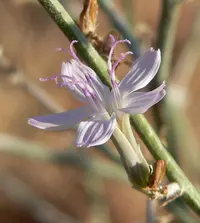
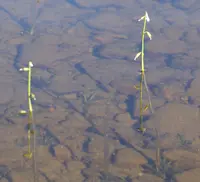
Water lobelia (Lobelia dortmanna) is a small, aquatic or semi-aquatic perennial found along clear, cool lakes and ponds, especially in nutrient-poor, sandy shallows. It forms low rosettes of narrow, tube-like leaves at the base, with simple, upright flower stalks carrying delicate pale blue to white blooms above the water surface.

This species is adapted to very clean, low-nutrient water and stable conditions, which makes it more demanding than many common pond plants. Those conditions influence how to care for Water Lobelia in naturalistic aquariums or garden ponds.

It prefers bright light, cool water, gentle water movement, and substrates low in organic matter, and it reacts poorly to pollution or heavy disturbance.

Main Plant Requirements

Care Difficulty

Hard Care

Light Preference

Partial Sun

Water Requirements

Aquatic

Temperature Preference

Cold Hardy

Hardiness Zone

3–7

Soil Texture

Sandy, Silty, Organic-rich

Soil pH

Strongly acidic (4.5–5.5)

Soil Drainage

Waterlogged tolerant

Fertilization

Minimal (feed rarely)

Get Personalized Care Plan

Scan your plant to receive care tips personalized for your specific plant

Available on iOS and Android

How to Care for the Water Lobelia

This aquatic species prefers bright, cool conditions with gentle, consistent light for steady growth.

  • Provide 4–6 hours of direct morning sun with light shade or filtered light in the afternoon to prevent leaf scorch in shallow water.
  • Plant in clear, unshaded water but avoid full harsh afternoon sun in hot climates, which can overheat roots and stress foliage.
  • If stems elongate and leaves pale, increase light exposure; in winter, shorter days slow growth but usually do not harm Water Lobelia in outdoor ponds.

This submerged plant requires stable, clean water rather than traditional surface watering.

  • Grow Lobelia dortmanna fully or mostly submerged in soft, low-nutrient water, keeping the crown just below or at the water surface depending on local practice.
  • Avoid fluctuating water levels; sudden drops that expose roots can cause wilting, while stagnant, foul-smelling water indicates poor oxygenation and root stress.
  • Leaf yellowing with mushy tissue suggests anaerobic, polluted conditions; slow growth with crisp, browning tips can indicate water that is too hard, warm, or nutrient-rich.

This cold-tolerant aquatic species prefers cool water and mild air temperatures throughout the year.

  • Aim for 50–68°F (10–20°C) water for best growth, with air temperatures around 50–72°F (10–22°C) in spring and fall.
  • The plant tolerates near-freezing water down to about 32°F (0°C) if gradually cooled, but repeated ice scouring or rapid freeze–thaw can damage crowns.
  • Prolonged heat above 77–82°F (25–28°C), especially in shallow, still water, can reduce oxygen levels, weaken roots, and encourage algae that competes with the plant.

This submerged aquatic species relies on stable, high humidity, as foliage is adapted to saturated air–water conditions.

  • Aim for 80–100% humidity by keeping foliage fully or near-fully submerged in water rather than exposed to room air.
  • Dry air causes leaf tips to pale, curl, and gradually collapse, especially on emergent or marginal growth.
  • Increase effective humidity with a covered aquarium or paludarium, limiting air movement directly over Water Lobelia shoots.

This species prefers clean, low-nutrient, sandy substrates rather than rich, organic garden soils.

  • Use fine to medium sand with minimal organic matter to mimic mineral lake bottoms suitable for Lobelia dortmanna.
  • Keep the substrate loose and 3–8 cm deep so roots can anchor without becoming compacted or anaerobic, which restricts oxygen supply.
  • Maintain slightly acidic conditions around pH 5.5–6.8, avoiding lime-based gravels or calcareous rocks that raise pH over time.
  • Do not mix heavy compost, clay, or fertilizer tablets into the root zone, as excess nutrients favor algae and competing plants.

This aquatic plant can be grown in containers if the vessel provides stable water depth and a calm, undisturbed substrate.

  • Choose a wide, shallow container so light reaches the entire rosette and water stays stable without strong currents disturbing the sand.
  • Place the sand-filled pot inside a larger aquarium or tub to keep the substrate contained while allowing easy control of water level.
  • Select a rigid, non-floating container material such as ceramic or heavy plastic to prevent tipping or shifting in deeper water.

Lobelia dortmanna is adapted to nutrient-poor, clean water and usually needs no added fertilizer in naturalistic or pond settings.

Lobelia dortmanna requires only minimal pruning, mainly to keep aquatic plantings tidy and healthy.

  • Trim spent flower stalks at the base after blooming to direct energy to roots and new rosettes.
  • Remove dead, yellowing, or damaged leaves with small, sharp scissors to limit decay in the water column.
  • Thin out overcrowded rosettes in late summer to maintain light penetration and stable submerged growth.

This aquatic species is usually transplanted in shallow ponds or water gardens rather than traditionally repotted.

  • Look for slow growth, declining vigor, or rosettes lifting from the substrate as signs it needs replanting.
  • Transplant in spring to early summer, when water temperatures are stable and daylight is increasing.
  • Gently lift clumps, rinse excess debris from roots, and replant into clean, sandy, low-nutrient substrate.
  • Keep crowns just above the sediment surface and avoid burying leaf bases to reduce rot and transplant shock.

Lobelia dortmanna plant care usually involves limited propagation, as this species spreads slowly and can be sensitive to disturbance.

  • Division is the main method, done in spring when plants start active growth in cool, clear water.
  • Lift a healthy clump, gently tease apart rosettes with intact roots, and discard weak, decaying pieces.
  • Replant divisions into low-organic, sandy substrate, spacing them 5–10 cm apart for gradual colony expansion.

In suitable climates, this aquatic perennial is cold hardy and typically needs little special winter care.

  • Established plants tolerate freezing water as long as crowns remain submerged and not exposed to ice.
  • Do not move pond-grown clumps indoors; maintain consistent water depth and avoid sudden drainage.
  • In containers, sink baskets deeper in the pond zone so crowns stay below the ice line through winter.

Care Tips

Substrate Containment

Use shallow, open-topped aquatic baskets filled with clean sand or fine gravel to confine the root zone and prevent the substrate from being disturbed by fish or water movement while still allowing water circulation around the roots.

Low-Nutrient Zoning

If the pond or tank has nutrient-rich areas, position this plant in a designated low-nutrient zone away from heavy fish feeding or fertilizer tablets, which helps keep growth compact and reduces the risk of algae overgrowth on its leaves.

Gentle Water Movement

Provide only mild water circulation around the rosette using a baffle or by directing filter outlets away from the plant so that oxygen levels remain high without uprooting the shallow root system.

Careful Transplant Handling

When moving established plants, lift them with a wide spatula or hand under the root zone to keep the sand plug intact, since breaking fine roots often causes setbacks or complete dieback in sensitive specimens.

Seasonal Depth Adjustment

In outdoor ponds, gradually lower baskets to slightly deeper, more thermally stable water for winter and raise them again in spring, helping to protect the crowns from extreme temperature swings when caring for Water Lobelia.

Common Pests and Diseases

Algal overgrowth

Symptoms include submerged leaves and stems being covered or shaded by filamentous or slimy algae in the aquarium or pond, leading to pale and weakened growth. This issue is common in very clear, nutrient-rich, shallow water where light is intense.

Solution

Reduce excess light and dissolved nutrients by shortening light duration to 6–8 hours, limiting fish feeding, and increasing partial water changes. Manually remove algae from around the rosettes with a soft brush or siphon hose and maintain good water circulation to prevent new buildup, which is a key part of Lobelia dortmanna care instructions in aquaria.

Blue-green algae (cyanobacteria)

This disease appears as dark green, blue-green, or reddish slimy sheets coating the substrate and plant bases, often with a strong earthy smell. This growth can smother rosettes and block light, causing leaves to yellow and detach.

Solution

Siphon or gently lift off the cyanobacteria mats and increase water changes while reducing organic waste in the system. Improve water movement, check that nitrate and phosphate are not extremely low, and if the bloom is severe, consider a short black-out period (2–3 days without light) combined with manual removal to suppress regrowth.

Snail herbivory

These pests feed on tender submerged leaves and new rosettes, leaving irregular holes, shredded leaf margins, or completely eaten small plants. Damage is often more intense in aquaria or small ponds with high snail populations and limited alternative food sources.

Solution

Manually remove larger snails, reduce overfeeding of fish, and use physical traps such as blanched vegetable pieces that can be lifted out with snails attached. In aquaria, introduce compatible snail-eating fish only if suitable for the setup, or use species-safe biological controls rather than broad-spectrum chemicals that may harm sensitive aquatic life.

Aquatic leaf spot

This disease causes small translucent, tan, or dark spots on submerged leaves that may expand into larger lesions, leading to tissue breakdown and leaf loss. This issue is typically linked to stress from poor water quality or sudden environmental changes that allow opportunistic fungi or bacteria to attack weakened tissue.

Solution

Remove and discard heavily spotted or decaying leaves to limit pathogen spread and organic load. Stabilize conditions by maintaining clean, well-oxygenated water, avoiding abrupt temperature or pH changes, and ensuring moderate stocking and feeding levels so the plant can regrow healthy foliage.

Interesting Facts

Roots breathe directly

This species has hollow, air-filled roots that can take up carbon dioxide directly from lake sediment, an unusual adaptation among aquatic plants adapted to very clear, low-carbon lakes.

Oligotrophic lake specialist

It is strongly associated with cold, soft, oligotrophic lakes that have very low nutrient levels and high water clarity, and it often disappears when a lake becomes enriched with nutrients from pollution or runoff.

Indicator of clean water

Because it is highly sensitive to eutrophication and turbidity, its presence is used by freshwater ecologists as an indicator of undisturbed, high-quality lake ecosystems when studying or growing Water Lobelia in conservation projects.

Botan icon

Did you know?

The species shows a disjunct, mainly boreal and temperate distribution across northern Europe and eastern North America, and many local populations are considered relicts, meaning they are remnants of a formerly wider postglacial range and are now vulnerable to habitat change.

FAQs about Water Lobelia

Poor flowering usually comes from inadequate light, unstable water level, or low nutrients in the substrate. Provide full sun to bright light, stable, clean, low-nutrient water, and avoid disturbing the roots during the growing season.

Grow Healthy Plants with Botan Care

Keep your plants happy and healthy with plant identification, disease detection, and easy care guidance.

Botan plant care app — identify plants on mobile

Explore More Plants