brownplume wirelettuce Care (Stephanomeria pauciflora)

brownplume wirelettuce

About brownplume wirelettuce

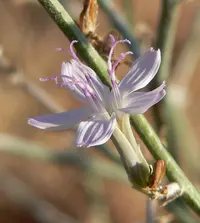
Brownplume wirelettuce (Stephanomeria pauciflora) is a perennial desert wildflower in the daisy family, forming tall, wiry stems with narrow, sparse leaves. It typically carries small, pale pink to lavender, dandelion-like flower heads that appear airy and delicate along the branching stems.

This species is native to arid regions of the southwestern United States and northern Mexico, where it grows in rocky, well-drained soils and full sun. It has deep roots and a drought-adapted growth habit, which makes it relatively easy to maintain once established.

Because it prefers dry conditions and low fertility, care for brownplume wirelettuce usually focuses on avoiding overwatering and providing bright light and sharply drained soil.

Main Plant Requirements

Care Difficulty

Easy Care

Light Preference

Full Sun

Water Requirements

Low Water

Temperature Preference

Warm Climate

Hardiness Zone

6–9

Soil Texture

Sandy, Loamy, Rocky

Soil pH

Neutral (7.0), Slightly alkaline (7.0–7.5)

Soil Drainage

Well-drained

Fertilization

Minimal (feed rarely)

Get Personalized Care Plan

Scan your plant to receive care tips personalized for your specific plant

Available on iOS and Android

How to Care for the brownplume wirelettuce

This desert perennial thrives in strong sun and handles intense light better than shade.

  • Provide 6–10 hours of direct sun daily; full, open exposure suits brownplume wirelettuce in most arid and semi-arid regions.
  • It tolerates very light afternoon shade in hotter low-desert sites, but dense shade reduces flowering and causes lanky, weak stems.
  • In winter, no special light protection is needed; in summer, seedlings benefit from brief filtered light during the hottest weeks to reduce scorch risk.

This species is highly drought-tolerant and prefers dry, fast-draining conditions.

  • Allow the soil to dry completely between waterings; in native-like ground plantings, water only after prolonged drought when foliage dulls or wilts slightly.
  • Aim for sandy or gravelly soil with excellent drainage; Stephanomeria pauciflora struggles and may rot in heavy, compacted, or waterlogged soil.
  • Reduce or stop supplemental water in cool seasons; soft, yellowing stems or a sulfur smell from the soil indicate overwatering, while crisp, shriveled leaves signal underwatering.

This plant is adapted to hot, dry climates and tolerates a wide temperature range once established.

  • Optimal growth occurs around 70–90°F (21–32°C), especially in dry air and well-drained soils typical of desert or steppe habitats.
  • Mature plants usually tolerate down to about 15–20°F (-9 to -6°C); brief colder snaps may damage top growth but roots often survive if soil drains well.
  • Heat tolerance is high up to 100–110°F (38–43°C) when soil is not waterlogged; no winter protection is needed in most USDA zones 7–10, but young plants benefit from frost-free establishment.

Humidity is not a critical factor for Stephanomeria pauciflora, which thrives in very dry air.

This desert perennial prefers lean, fast-draining mineral soil that keeps roots dry between waterings.

  • Use sandy or gravelly soil with minimal organic matter, such as 60–80% coarse sand or grit blended with a light native topsoil.
  • Aim for slightly alkaline to neutral pH around 7.0–8.0, avoiding strongly acidic mixes.
  • Improve drainage and aeration by adding small gravel or pumice rather than water-retentive components like peat or coco coir.
  • Avoid compacted, clay-heavy, or moisture-holding potting mixes, which increase root rot risk for Stephanomeria pauciflora.

This species can be grown in containers if the setup closely mimics dry, rocky ground.

  • Choose a deep, heavy pot so the tall, wiry stems do not tip the container in wind.
  • Select unglazed clay to let moisture evaporate quickly from the sides, preventing prolonged root wetness.
  • Fill the pot with a gritty, low-organic mix and raise the container on feet so drainage holes never sit in collected water.

This desert-adapted species generally needs no fertilizer in the ground, so caring for brownplume wirelettuce focuses more on light and drainage than feeding.

Pruning Stephanomeria pauciflora is mainly corrective, helping maintain a tidy, open form without reducing flowering.

  • Prune in late winter or very early spring before new growth starts, using clean, sharp hand pruners.
  • Remove dead, damaged, or crossing stems at the base to improve air flow and reduce disease risk.
  • Thin out crowded branches lightly rather than shearing, preserving the plant’s natural airy structure.
  • Deadhead spent flower stalks if desired to neaten appearance, but leave some for wildlife and reseeding.

This species is usually grown in dry gardens, with transplanting done sparingly to avoid disturbing its deep root system.

  • Transplant in late fall or early spring when temperatures are mild and soil is workable.
  • Look for signs like poor establishment or cramped nursery roots circling the container before moving young plants.
  • Handle the taproot gently, keeping the root ball intact and planting at the same depth in well-drained soil.
  • Water thoroughly after transplanting, then reduce watering as the plant resumes growth to limit root stress.

Propagation of Stephanomeria pauciflora is most reliable from seed, reflecting its natural regeneration strategy in arid habitats.

  • Collect ripe seeds from dry flower heads at the end of the blooming season.
  • Sow seeds in late fall or very early spring in a gritty, well-drained mix, either in pots or directly in the ground.
  • Lightly cover or press seeds into the surface and keep barely moist; avoid prolonged saturation.
  • Provide full sun and good air circulation; germination usually occurs with natural cool, then warming, temperatures.

This desert shrub is fairly cold hardy in its range and usually needs little special winter care in the ground.

  • Tolerates light to moderate frost when planted in sharply drained soil, especially on slopes or raised beds.
  • Apply a thin, gritty mulch around the root zone in colder areas to limit freeze–thaw heaving.
  • For container plants in regions below its hardiness, move pots to a bright, frost-free, minimally heated space.

Care Tips

Establish Deep Roots

During the first growing season, give one slow, penetrating soak every 10–14 days in dry conditions to encourage deep taproot development that improves long-term drought tolerance.

Minimize Competition Zone

Keep a 20–30 cm weed-free and mulch-free ring around the base so the plant does not compete with grasses or thick mulch for limited surface moisture in arid sites.

Avoid Summer Disturbance

Flag young plants and avoid cultivating, regrading, or trenching within 30–40 cm of the crown in late spring and summer, since root disturbance can cause sudden decline in this taprooted species.

Support Natural Reseeding

If the current plant is healthy, delay cleanup of spent flowering stems until late winter so the wind-dispersed seeds can fall nearby and create a natural staggered-age stand when growing brownplume wirelettuce.

Plan For Short Lifespan

Treat the plant as relatively short-lived and allow a few volunteer seedlings to grow each year in suitable spots, then remove extras while small to maintain spacing and population renewal.

Common Pests and Diseases

Aphids

This pest feeds on tender stems and flowering shoots, especially on young growth after seasonal rains. Symptoms include distorted tips, sticky honeydew, and sometimes sooty mold on nearby surfaces.

Solution

Spray affected stems with a firm stream of water to dislodge colonies, then spot-treat remaining clusters with insecticidal soap or a light horticultural oil, applying in the cool part of the day. Limit overhead watering and excess nitrogen in nearby plantings, which can encourage soft new growth that attracts aphids.

Spider mites

These insects thrive in hot, very dry conditions and can cause fine stippling, dull foliage, and fine webbing on stems and remaining basal leaves. Symptoms include a dusty appearance and weakened growth on stressed plants at the end of the dry season.

Solution

Rinse plants periodically with water to knock mites off and reduce dust buildup, focusing on stems and any green foliage. If populations stay high, use insecticidal soap or a light horticultural oil, and reduce heat reflection from nearby hard surfaces where possible to limit extreme dryness around the plant.

Stem canker

This disease appears as sunken, discolored lesions on woody stems, often following mechanical injury or prolonged drought stress. Symptoms include dieback of upper stems beyond the lesion and occasional cracking or roughened bark tissue.

Solution

Prune out affected stems several inches below visible damage using clean, sharp tools, and remove all pruned material from the area. Avoid wounding stems, keep the plant on an appropriate deep but infrequent watering schedule, and ensure good air circulation by avoiding overcrowding with other shrubs to reduce future infections.

Powdery mildew

This disease can appear in late season or in slightly more irrigated landscapes as white, powdery patches on leaves and young stems. Symptoms include reduced vigor, premature leaf yellowing, and a dull gray-white coating on infected tissue.

Solution

Remove the most affected shoots to improve airflow and reduce inoculum, and avoid frequent shallow irrigation on foliage. If needed, apply a sulfur or potassium bicarbonate-based product labeled for powdery mildew in dry, mild weather, focusing on thorough coverage of remaining leaves and tender growth.

Interesting Facts

Desert summer bloomer

This species often begins flowering in the heat of summer when many desert plants are dormant, producing small pale pink to whitish ray flowers on bare, wiry stems after the leaves have mostly withered away.

Deep taproot strategy

It develops a strong, deep taproot that allows access to subsurface moisture, helping it survive on dry rocky slopes and washes in the Mojave and Sonoran deserts.

Ephemeral leafy phase

The plant forms a more leafy appearance in cooler, moister seasons, then sheds most foliage as conditions dry, leaving slender, broomlike stems that continue photosynthesis and support flowering.

Botan icon

Did you know?

This species is an important early-successional colonizer in disturbed desert habitats, helping stabilize soil and quickly re-vegetate road cuts, washes, and other open sites where few other perennials can establish under intense heat and drought.

FAQs about brownplume wirelettuce

This species is highly attractive to native bees, small wasps, and some butterflies, especially in dry, open sites. Its many small, pale flowers provide nectar and pollen when other desert plants may not be blooming.

Grow Healthy Plants with Botan Care

Keep your plants happy and healthy with plant identification, disease detection, and easy care guidance.

Botan plant care app — identify plants on mobile

Explore More Plants