Allium pallens Care

Allium pallens

About Allium pallens

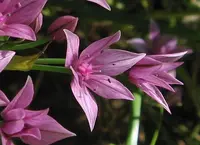
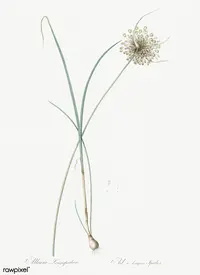
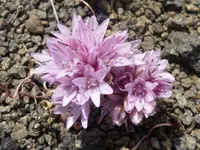
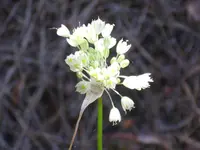
Allium pallens is a small, bulb-forming perennial in the onion family, valued for its delicate, nodding white to pale pink flower clusters. Plants usually have narrow, grass-like leaves and slender stems, giving a light and airy look in rock gardens or mixed borders.

It occurs naturally in dry, rocky habitats around the Mediterranean region, which explains its preference for well-drained soils and relatively low humidity. A. pallens is generally undemanding if kept in bright light, moderate moisture, and soils that do not stay wet. Gardeners who understand these dryland origins usually find it straightforward to care for Allium pallens.

Main Plant Requirements

Care Difficulty

Easy Care

Light Preference

Full Sun

Water Requirements

Low Water

Temperature Preference

Cold Hardy

Hardiness Zone

5–9

Soil Texture

Sandy, Loamy, Rocky

Soil pH

Slightly acidic (6.5–7.0), Neutral (7.0)

Soil Drainage

Well-drained

Fertilization

Minimal (feed rarely)

Get Personalized Care Plan

Scan your plant to receive care tips personalized for your specific plant

Available on iOS and Android

How to Care for the Allium pallens

This small bulb prefers bright conditions to flower reliably and maintain compact growth.

  • Provide 6–8 hours of direct sun daily; morning and midday sun suit Allium pallens best, with only light shade after 3–4 p.m.
  • Tolerates light partial shade, but flowering and stem strength decline noticeably with less than 4–5 hours of direct sun.
  • In very hot summers, protect from intense late-afternoon sun to reduce leaf scorch and overly rapid soil drying.

This bulb prefers dry to moderately moist soil and is sensitive to standing water.

  • Water only when the top 3–5 cm of soil are dry, letting water run through freely so the bulbs never sit in soggy ground.
  • During active growth and flowering, watch foliage for early wilting or folding as a sign the soil has stayed dry too long.
  • Reduce watering sharply once leaves yellow and die back; prolonged wetness at this stage increases bulb rot risk, especially in heavy soils.

This species is adapted to temperate climates with cool winters and mild to warm summers.

  • Active growth is strongest around 55–75°F (13–24°C), with bulbs forming and flowering best in these moderate conditions.
  • Dormant bulbs tolerate brief drops near 10–15°F (-12 to -9°C) if soil drains well and is not waterlogged in winter.
  • In hot regions, temperatures above 90°F (32°C) are tolerated if soil is not wet and the site has some late-afternoon shade to reduce stress.

This bulb tolerates typical indoor humidity and does not need special humidification.

Allium pallens prefers lean, well‑drained soil that dries slightly between waterings.

  • Use a sandy or gritty loam with 30–50% mineral material such as coarse sand or fine gravel to prevent waterlogging.
  • Aim for slightly alkaline to neutral pH around 7.0–7.8, avoiding highly acidic mixes.
  • Blend in a small amount of compost for nutrients but keep organic matter moderate so bulbs do not stay wet for long periods.
  • Improve aeration and drainage by adding perlite or horticultural grit, and avoid heavy clay or peat‑heavy mixes that compact.

This species is suitable for container growing outdoors in sunny, well‑drained conditions.

  • Choose a pot at least 20–25 cm deep so the bulbs can sit at the correct planting depth with room for root growth below.
  • Select a heavy terracotta or stone container to reduce tipping from tall flowering stems in windy conditions.
  • Raise the pot on feet or bricks so drainage holes stay clear and excess water can escape rapidly after rain or irrigation.

This small bulb generally needs minimal feeding in average garden soil, but light fertilization can support flowering in Allium pallens.

  • Use a balanced, slow-release granular fertilizer (around 10-10-10 NPK) in early spring as shoots emerge.
  • Apply once per growing season for plants in the ground; potted bulbs may benefit from a second light feeding mid-season.
  • Dilute liquid fertilizers to 1/2 strength to avoid salt buildup, especially in containers.
  • Stop feeding after foliage begins to yellow and the plant enters dormancy, typically in late summer.

Pruning needs for Allium pallens are low and focus mainly on cleanliness and allowing bulbs to recharge.

  • In late spring or early summer, remove only spent flower heads to prevent unwanted seeding and tidy the plant.
  • Allow foliage to yellow and dry naturally before cutting it to ground level so bulbs can store energy.
  • Use clean, sharp scissors or hand pruners to avoid tearing the soft leaves and stems.
  • Remove any dead, diseased, or damaged growth promptly during the season to reduce pest and disease pressure.

This bulbous species is usually grown in the ground, with transplanting focused on lifting and dividing clumps rather than frequent repotting.

  • Plan lifting and transplanting for late summer to early fall, after foliage has fully died back and bulbs are dormant.
  • Divide crowded clumps every 3–5 years, or when flowering declines and bulbs appear congested in the soil.
  • When growing Allium pallens in containers, repot if roots circle the pot or soil dries very quickly between waterings.
  • Minimize root stress by gently loosening soil around bulbs, replanting at the same depth, and watering lightly after replanting.

Propagation of this ornamental allium is straightforward and usually done through bulb division, with seed used mainly by enthusiasts.

  • Lift and divide mature clumps in late summer or early fall, separating offsets from the parent bulbs by hand.
  • Replant divisions promptly at their original depth in well-drained soil and water once to settle the soil around bulbs.
  • Sow seeds in fall in trays or outdoor seed beds, using a gritty, free-draining mix and light cover with soil.
  • Keep seed containers cool and evenly moist; germination may be slow and can take 1–2 seasons to become flowering size.

This hardy bulb typically overwinteres in the ground in temperate climates with minimal intervention needed.

  • In regions with cold winters, a light 3–5 cm layer of mulch helps insulate the root zone while allowing soil drainage.
  • Ensure planting sites do not stay waterlogged, since wet, frozen soil increases the risk of bulb rot.
  • For container-grown plants in very cold areas, move pots to an unheated garage or cold frame to reduce freeze-thaw stress.

Care Tips

Staggered Bulb Planting

Plant bulbs in small groups with 1–2 week intervals in fall so flowering is slightly staggered, extending the overall display period in the border or rock garden.

Bulb Lifting Routine

In regions with wet summers or poorly drained soil, lift bulbs once foliage has fully yellowed, dry them in a shaded, airy place for 7–10 days, then store them in mesh bags in a cool, dry location until replanting.

Targeted Slug Management

Place low, rough barriers such as sharp grit or crushed, washed gravel around planting pockets to reduce slug and snail damage on emerging shoots without relying heavily on pellets.

Companion Plant Shielding

Combine this species with low, fine-textured perennials or groundcovers that do not overshadow it to help shade the soil surface, keep bulbs slightly cooler, and visually support the delicate stems.

Labeling And Mapping

Label planting spots with discreet markers and keep a simple planting map so you do not accidentally disturb dormant bulbs when cultivating nearby areas or adding new plants, which is especially helpful when caring for Allium pallens over several seasons.

Common Pests and Diseases

Onion thrips

This pest feeds by scraping and sucking sap from leaves and scapes, causing silvery streaks, speckling, and reduced vigor. Symptoms include distorted foliage and weakened flowering in dry, warm conditions.

Solution

Monitor foliage regularly and, at early signs, spray plants thoroughly with a strong jet of water to dislodge thrips, then repeat every few days. For heavier infestations, use a low-toxicity insecticidal soap or neem oil in the evening, and reduce plant stress by watering consistently and avoiding excess nitrogen fertilization.

Allium leaf miner

This pest is a small fly whose larvae tunnel inside leaves and stems, causing mines, wilting, and sometimes collapse of the flowering stalk. Symptoms include lines of white feeding punctures and soft, damaged tissue inside the stem.

Solution

Remove and destroy affected leaves and bulbs promptly to break the life cycle, and avoid composting infested material. Use fine mesh or insect netting over plants during peak adult flight in spring and fall, and rotate planting locations to reduce carryover in the soil when growing Allium pallens repeatedly in the same bed.

Downy mildew

This disease causes pale, yellowish patches on leaves that later develop gray to purplish fuzzy growth, especially in cool, moist weather. Symptoms include leaf collapse and premature dieback, reducing bulb strength and next season’s flowering.

Solution

Improve air circulation by spacing plants properly, watering at soil level in the morning, and avoiding overhead irrigation. Remove and dispose of infected foliage, keep the bed free of plant debris, and in areas with recurring issues consider using a labeled copper-based fungicide preventively during prolonged cool, wet periods.

Botrytis leaf and scape blight

This disease develops in cool, humid conditions and causes water-soaked spots on leaves and flower stalks that turn tan to brown and may be covered with gray mold. Symptoms include bending or collapse of the scape and poor flowering.

Solution

Promptly remove and discard infected leaves, scapes, and spent flowers, and avoid wetting foliage late in the day. Ensure good drainage, reduce overcrowding, and in persistent cases apply a suitable ornamental bulb fungicide at the first signs of spotting to protect healthy tissue.

Nematode bulb damage

This disease is caused by microscopic worms that invade bulbs and basal plates, leading to swollen, spongy, or misshapen bulbs and weak, stunted shoots. Symptoms include poor emergence in spring and irregular patches of declining plants in a bed.

Solution

Discard any suspect or soft bulbs and avoid replanting in the same spot for several years to reduce nematode populations. Purchase clean, certified bulbs, plant in well-drained soil, and consider growing Allium pallens in containers or raised beds with fresh, nematode-free medium if the garden soil is known to be infested.

Interesting Facts

Mediterranean steppe specialist

This bulb species is naturally adapted to dry, rocky, often calcareous slopes and steppe-like habitats around the Mediterranean, where it survives hot summers as a dormant underground bulb.

Subtle pale flowers

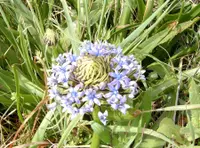
It produces small, pale cream to whitish bell-shaped flowers with a faint lilac or greenish tinge, which gives the inflorescences a delicate, translucent look compared with many more vividly colored Allium relatives.

Early summer bloomer

In its native range it typically flowers from late spring to early summer, timed to take advantage of moist cool-season soils before the hottest, driest part of the year.

FAQs about Allium pallens

Poor flowering is usually linked to insufficient sun, overcrowded or shallowly planted bulbs, or depleted nutrients. Allow foliage to die back naturally after flowering, then periodically lift and divide congested clumps to restore bloom quality when growing Allium pallens.

Grow Healthy Plants with Botan Care

Keep your plants happy and healthy with plant identification, disease detection, and easy care guidance.

Botan plant care app — identify plants on mobile

Explore More Plants