field garlic Care (Allium oleraceum)

field garlic

About field garlic

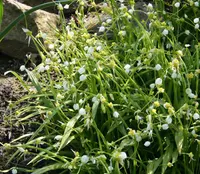
Field garlic, Allium oleraceum, is a small bulb-forming perennial from the onion family. It produces slender, grass-like leaves and wiry stems topped with loose clusters of small, pale flowers and bulbils. This species is native to Europe and parts of western Asia and often grows in dry grasslands, open woods, slopes, and roadside banks. It has a clumping, slowly spreading habit and can naturalize where conditions suit it. The plant is generally undemanding, as long as it receives sun, drainage, and not overly rich soil, which makes it relatively simple to care for field garlic in suitable climates.

Main Plant Requirements

Care Difficulty

Easy Care

Light Preference

Full Sun

Water Requirements

Moderate Water

Temperature Preference

Cold Hardy

Hardiness Zone

4–8

Soil Texture

Sandy, Loamy, Rocky

Soil pH

Slightly acidic (6.5–7.0), Slightly alkaline (7.0–7.5)

Soil Drainage

Well-drained

Fertilization

Minimal (feed rarely)

Get Personalized Care Plan

Scan your plant to receive care tips personalized for your specific plant

Available on iOS and Android

How to Care for the field garlic

This bulb prefers bright conditions similar to other wild garlic relatives.

  • Provide 6–8 hours of full sun daily, ideally with morning sun and light afternoon shade in hotter regions to reduce scorch on leaves.
  • Tolerates light to partial shade, but field garlic forms stronger, denser clumps and better flowering in open, unshaded sites.
  • Avoid dense shade from shrubs or buildings, which leads to weak, elongated foliage; in winter, full exposure is fine as plants are naturally dormant.

This species prefers evenly moist but never saturated soil during active growth.

  • From early spring to early summer, water when the top 3–5 cm of soil feels dry, then apply enough to moisten the root zone without puddling.
  • Ensure sharply drained soil; add grit or sand on heavy ground to prevent standing water, which quickly causes bulb rot in Allium oleraceum.
  • Reduce or stop watering once foliage yellows and dies back, as dormant bulbs prefer drier conditions and only need natural rainfall.

This hardy bulb tolerates a wide temperature range typical of temperate climates.

  • Active growth and flowering perform best around 55–75°F (13–24°C), which aligns with normal spring and early summer conditions outdoors.
  • Dormant bulbs survive winter cold down to about 0°F (−18°C) in well-drained soil, especially when protected by mulch or snow cover.
  • Summer heat up to 85–90°F (29–32°C) is usually tolerated if soil does not stay wet; prolonged extreme heat with high humidity can stress plants.

Humidity is rarely critical for field garlic, which handles typical outdoor air conditions well.

Allium oleraceum grows best in loose, mineral-rich soil that drains rapidly yet still holds moderate moisture.

  • Use a sandy or sandy-loam soil with 30–50% sharp sand or grit to prevent waterlogging around the bulbs.
  • Incorporate a modest amount of compost or well-rotted leaf mold (10–20%) to supply nutrients without making the mix heavy.
  • Aim for slightly alkaline to neutral pH around 6.5–7.5, avoiding strongly acidic media that can limit nutrient availability.
  • Avoid compacted clay or peat-heavy mixes; lighten them with coarse sand and fine gravel to improve aeration and bulb health.

This species can grow successfully in containers if drainage and root space are carefully managed.

  • Choose a pot at least 20–25 cm deep to allow the narrow bulbs and roots to anchor and avoid crowding.
  • Use a heavy terracotta or ceramic pot in windy sites to keep the tall, slender stems from tipping over.
  • Elevate the container on feet or bricks so drainage holes stay clear and excess water leaves the root zone quickly.

Allium oleraceum is adapted to low-nutrient soils and needs only light feeding in cultivation.

  • Use a balanced, slow-release granular fertilizer (for example 8-8-8 or 10-10-10) or a thin layer of compost in early spring.
  • Feed once at the start of active growth; in richer garden soil, skip additional applications during the season.
  • If using liquid feed, apply at 1/2 strength to avoid soft, floppy growth in field garlic plantings.
  • Stop feeding once foliage begins to yellow and enter dormancy, and do not fertilize in winter.

Allium oleraceum needs minimal pruning, focused on tidiness and bulb health rather than shaping.

  • Use clean, sharp scissors or hand pruners to remove yellowing, dead, or damaged leaves at the base.
  • After flowering, cut spent flower stalks once seeds have formed if self-seeding is not desired.
  • Thin out overcrowded flowering stems in dense clumps to improve air flow and reduce disease risk.
  • Avoid cutting healthy green foliage too early, as this reduces energy stored in the bulbs for next season.

This wild allium is usually grown in the ground, so transplanting clumps is more common than repotting.

  • Lift and transplant clumps in late summer to early fall, once foliage has died back and bulbs are dormant.
  • Choose to move plants when growth weakens, flowering declines, or bulbs crowd and form tight mats.
  • Dig widely around the clump, keeping roots and bulbs intact, and replant at the same depth in well-drained soil.
  • Water gently after transplanting, then keep soil just slightly moist for several weeks to limit transplant stress.

Allium oleraceum is most often propagated by dividing bulbs and bulbils rather than by seed.

  • Divide mature clumps in late summer or early fall, when the plant is dormant and foliage has withered.
  • Gently separate individual bulbs and any attached bulbils, keeping basal plates and roots intact.
  • Replant bulbs 5–8 cm deep in well-drained soil, spacing them to avoid future overcrowding.
  • For seed propagation, sow fresh seed in pots outdoors, exposed to winter cold to break dormancy.

This species is cold hardy in much of the US and generally needs little special winter care in the ground.

  • Established bulbs tolerate normal frost and freezing in temperate climates when soil drains well.
  • Apply a light mulch layer, such as shredded leaves, in late fall in colder regions to buffer soil temperature.
  • For containers, move pots to a sheltered, unheated spot that stays above about 20°F, avoiding waterlogged media.

Care Tips

Bulb division timing

Lift and divide crowded clumps every 3–4 years in late summer after foliage dies back, replanting only the firm, healthy bulbs at the original depth to maintain vigor and flowering.

Self-seeding control

If you want to limit spread, cut off spent flower heads before the capsules mature, since this species readily self-seeds and can naturalize more aggressively than expected in light soils.

Label and map

Mark planting spots with durable labels or a simple bed map when foliage dies back, so you avoid disturbing the dormant bulbs during other digging or planting work.

Bulb storage method

If bulbs must be lifted for construction or bed renovation, store them dry in a breathable paper bag at 40–50°F and replant within a few months to prevent desiccation and loss of viability.

Wildlife deterrence

Where deer or rabbits browse heavily, use these plants as a low border or scattered clumps around more vulnerable species, since their onion scent often discourages herbivores and supports practical strategies for caring for field garlic in mixed plantings.

Common Pests and Diseases

onion fly

This pest lays eggs at the base of the plant; larvae then tunnel into bulbs and stems, causing wilting and decay.

Solution

Use fine mesh or floating row covers during egg‑laying periods, promptly destroy infested bulbs, and avoid leaving old Allium debris in the soil; crop rotation and planting in fresh soil reduce recurring attacks when growing field garlic.

allium leaf miner

This pest creates characteristic mines and tunnels in leaves and stems, which weaken plants and can open pathways for secondary rot.

Solution

Cover plants with insect‑proof mesh in spring and autumn flights, remove and discard affected foliage, and avoid overwintering infested material in the bed; in small plantings, crush or remove mined leaves as soon as damage appears.

downy mildew

This disease causes pale or yellow patches on leaves that later develop gray‑violet, fuzzy growth, leading to leaf collapse in cool, damp weather.

Solution

Improve airflow by avoiding crowding, water at soil level rather than overhead, and promptly remove and dispose of infected leaves; in persistent cases, rotate away from Allium species for several years and use clean, disease‑free planting bulbs.

white rot

This disease leads to yellowing, wilting foliage and rotting bulbs with white, fluffy fungal growth and small black sclerotia around the base.

Solution

Immediately remove and discard all affected plants and surrounding soil, do not replant any Allium in that location for many years, and carefully clean tools and footwear to avoid spreading contaminated soil.

thrips

These insects rasp leaf surfaces, causing silvery streaks, speckling, and gradual leaf drying, especially in hot, dry weather.

Solution

Reduce plant stress with regular, moderate watering, rinse foliage with a firm water spray to dislodge insects, and use blue or yellow sticky traps nearby; for heavier infestations, apply insecticidal soap or horticultural oil, making sure to coat both sides of the leaves.

Interesting Facts

Twisting stem habit

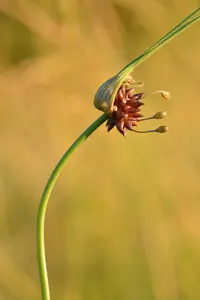
This species often develops a characteristically twisted or spiraling flowering stem, especially in exposed grasslands, which helps distinguish it from several other wild garlics.

Mixed bulb and seed

It propagates both by seed and by forming small bulbs, called bulbils, in the inflorescence, allowing a single plant to spread locally without relying only on pollination.

Preference for dry slopes

In its native range it is strongly associated with dry, base-rich grasslands, rocky slopes, and light woodland edges, often indicating well-drained, lime-rich soils.

Botan icon

Did you know?

In several European regions, this species is considered a reliable indicator of long-established semi-natural grasslands and traditional hay meadows, so its presence can be used by botanists to help identify sites with high conservation value and long habitat continuity.

FAQs about field garlic

Yellowing foliage often appears naturally as the bulbs enter dormancy after flowering. It can also result from waterlogged soil, nutrient-poor or compacted ground, or heavy shade. Check drainage, avoid overwatering, and maintain moderately fertile, well-aerated soil.

Grow Healthy Plants with Botan Care

Keep your plants happy and healthy with plant identification, disease detection, and easy care guidance.

Botan plant care app — identify plants on mobile

Explore More Plants