Tree onion Care (Allium × proliferum)

Also known as: topsetting onions, walking onions, Egyptian onions
Tree onion

About Tree onion

Tree onion, Allium × proliferum, is a hardy perennial onion grown for its unusual top‑setting bulbs that form where flowers would normally appear. These small bulb clusters give the plant a layered, architectural look.

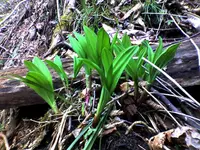
Stems are hollow and upright, with edible leaves similar to chives and shallots. The plant likely originated from hybridization between common onion and Welsh onion, and is now mainly found in gardens and small farms rather than in the wild.

It is generally easy to grow, spreading slowly by both underground bulbs and aerial bulbils, which can make it long-lasting in one spot. Tree onion prefers full sun, well-drained soil, and consistent but not excessive moisture, which simplifies how to care for Tree onion in most home gardens.

Main Plant Requirements

Care Difficulty

Easy Care

Light Preference

Full Sun

Water Requirements

Moderate Water

Temperature Preference

Cold Hardy

Hardiness Zone

3–9

Soil Texture

Sandy, Loamy, Organic-rich

Soil pH

Acidic (5.5–6.5), Slightly acidic (6.5–7.0)

Soil Drainage

Well-drained

Fertilization

Light (every 4–6 weeks)

Get Personalized Care Plan

Scan your plant to receive care tips personalized for your specific plant

Available on iOS and Android

How to Care for the Tree onion

This bulb-forming onion hybrid prefers consistent sun exposure for strong tops and flavorful bulbs.

  • Provide 6–8 hours of direct sun daily; full sun is best in most temperate gardens.
  • Tolerates light afternoon shade, especially in hotter regions, but yields may drop if sun falls below about 4–5 hours.
  • Orient rows for good light on all sides and avoid shading by taller crops to reduce weak, floppy growth and disease risk when caring for Tree onion.

This hardy allium prefers steady, moderate moisture rather than frequent, shallow watering.

  • Water when the top 3–5 cm of soil feels dry; aim to moisten soil 15–20 cm deep, then allow it to drain fully.
  • Use well-drained soil or raised beds to prevent standing water, which encourages bulb rot and yellowing, soft foliage in Allium × proliferum.
  • In cool, wet seasons reduce watering and rely more on rainfall; in hot, dry spells, increase checks for dry soil and limp, narrow leaves.

This perennial onion tolerates a wide temperature range but grows best in cool to mild conditions.

  • Optimal active growth occurs around 55–75°F (13–24°C), with strongest top growth in the cooler end of this range.
  • Mature plants tolerate down to about 14–20°F (-10 to -7°C) with mulch; repeated hard freezes without protection can damage bulbs.
  • In summer, growth may slow above 86°F (30°C); provide soil moisture and light afternoon shade to limit heat stress and tip scorch.

Humidity is not a major factor for Allium × proliferum, which prefers relatively dry air similar to outdoor garden conditions.

Allium × proliferum prefers loose, well-drained, moderately fertile soil that stays moist but never waterlogged.

  • Use a loamy or sandy-loam mix with 30–40% compost to provide nutrients and retain some moisture without compacting.
  • Aim for slightly acidic to neutral pH around 6.0–7.0, which supports root function and nutrient uptake.
  • Improve drainage and aeration by blending coarse sand or perlite at 20–30% of the mix, especially in heavy native soil.
  • Avoid dense clay, poorly drained spots, or soil that forms a hard crust, as this increases rot risk and weakens bulbs.

This species is well suited to container growing when the pot provides enough depth and drainage for its clumping bulbs and upright stems.

  • Choose a pot at least 20–25 cm deep so bulbs can sit with several centimeters of mix beneath them for insulation and anchoring.
  • Use a heavier material like ceramic or clay in windy sites to prevent top-heavy stems from tipping the container.
  • Fill the container to just below the rim so overhead watering does not wash shallow bulbs or young offsets out of the mix.

Allium × proliferum benefits from light, consistent feeding during its active growing season.

  • Use a balanced NPK fertilizer (around 10-10-10) at half strength every 4–6 weeks in spring and early summer.
  • Alternatively, work a thin layer of mature compost into the topsoil at the start of the season.
  • For Tree onion in containers, a slow-release granular fertilizer in spring supports steady growth.
  • Stop feeding in late summer and do not fertilize during dormancy or winter.

Pruning Allium × proliferum is mainly about hygiene and managing clump density.

  • Cut yellowing, dead, or diseased leaves at the base throughout the season with clean, sharp scissors or pruners.
  • Remove spent flower stalks once bulbils are harvested to direct energy back to the bulbs.
  • Thin crowded stems in the clump in late summer to maintain airflow and reduce fungal issues.
  • Avoid heavy cutting of green leaves at once, which can slow regrowth and weaken plants.

Transplanting Allium × proliferum focuses on managing crowded clumps rather than frequent pot changes.

  • Look for signs like very dense clumps, reduced stalk size, or slow growth as cues it is time to divide.
  • Plan division and transplanting for early spring or just after foliage dies back, every 3–4 years.
  • Lift clumps gently with a fork, separate bulbs and bulbils, and replant at the same depth in well-drained soil.
  • Water lightly after transplanting and provide light shade for a few days to reduce transplant shock.

Allium × proliferum is commonly propagated by bulbils and division rather than seed.

  • Harvest top-set bulbils in late summer, then plant them 2–3 cm deep in loose, well-drained soil.
  • Space bulbils or divisions 15–20 cm apart to allow clump development and airflow.
  • Divide established clumps in early spring or after dormancy, replanting firm, healthy bulbs only.
  • Keep soil lightly moist, not waterlogged, until new roots and shoots are established.

Allium × proliferum is generally cold hardy and needs minimal winter care in most temperate climates.

  • In ground, the bulbs tolerate freezing temperatures once established in well-drained soil.
  • Apply a 3–5 cm layer of straw or shredded leaves over the root zone in colder regions for insulation.
  • For container-grown plants, move pots to a sheltered, unheated area to avoid repeated freeze–thaw cycles.

Care Tips

Staggered Harvesting

Cut individual leaves and young topsets progressively instead of taking whole plants, which keeps the clump productive longer and encourages a steady supply of usable greens.

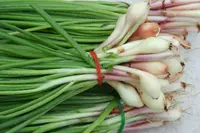
Topset Propagation

After the aerial bulbils mature and the stems start to bend, cut the topsets and plant them 2–3 cm deep and 10–15 cm apart to quickly expand your patch with genetically identical plants.

Simple Row Support

In windy or exposed sites, run a low string or soft wire along the row at about 20–25 cm height and lightly tie leaning stems to prevent lodging and rotting where they touch wet soil.

Rotation For Longevity

Move the planting to a fresh bed every 3–4 years, following a crop rotation that avoids other alliums, to reduce soil-borne disease buildup and maintain vigorous growth when growing Tree onion.

Winter Mulch Management

In cold climates, apply a loose mulch of straw or shredded leaves after the ground cools, then pull it back slightly in early spring so emerging shoots are not smothered but roots stay insulated.

Common Pests and Diseases

Onion thrips

This pest feeds on leaves, causing silvery streaks, tiny white patches, and gradual leaf drying that can reduce bulb and top set size.

Solution

Monitor plants regularly, then spray foliage thoroughly with a strong jet of water to dislodge thrips and apply an insecticidal soap or neem oil, repeating every 5–7 days as needed; remove plant debris after harvest to reduce overwintering sites and avoid planting near grain or alfalfa fields that harbor thrips.

Onion maggot

This pest is the larval stage of a fly that tunnels into developing bulbs, leading to yellowing, wilting, and eventual collapse of the stalks.

Solution

Use floating row covers from early spring to prevent egg-laying around the base of plants, practice strict crop rotation of at least 3–4 years, promptly remove and destroy infested plants, and avoid leaving cull bulbs or onion waste in the bed that can attract adult flies.

Downy mildew

This disease causes pale, slightly sunken lesions on leaves that develop into purple-gray, fuzzy growth in cool, moist conditions, often leading to leaf collapse.

Solution

Increase spacing for better airflow, water at soil level early in the day, remove infected leaves promptly, and in humid regions consider preventive use of copper-based fungicides according to label directions when cool, wet weather is forecast.

Neck rot

This disease appears after harvest as softening and collapse of tissue around the neck of stored bulbs, often with gray mold and concentric rings of fungal growth.

Solution

Cure bulbs thoroughly in a warm, dry, well-ventilated area before storage, avoid injuring necks during harvest, keep storage conditions cool and dry, and discard any bulbs showing soft or moldy neck tissue to prevent spread to healthy bulbs.

Botrytis leaf blight

Symptoms include small, white to straw-colored spots on leaves with light green halos that can expand and merge, causing premature leaf death and reduced vigor.

Solution

Remove infected foliage and plant debris, avoid overhead irrigation, improve spacing for airflow, and in persistent cases use a labeled fungicide in rotation while also following general Allium × proliferum care instructions focused on good sanitation and dry foliage conditions.

Interesting Facts

Unique bulb formation

Tree onion forms small bulbils at the top of its flowering stalks instead of typical showy flowers, giving it a distinctive tiered or branching appearance compared with other onions.

Vegetative self‑propagation

The heavy top bulbils can bend the stalks to the ground, where they root and form new clumps, a growth habit that explains the common name walking onion.

Hybrid, not a species

Allium × proliferum is a stable hybrid, usually considered to be between Allium cepa (common onion) and Allium fistulosum (Welsh onion), which explains its perennial nature and strong onion flavor.

Botan icon

Did you know?

Historical records indicate that so‑called Egyptian onions grown in Europe and North America were already recognized by the 18th–19th centuries, yet the plant has no direct connection to Egypt; the name likely arose from earlier confusion with other old onion types or from seed trade marketing rather than true geographic origin.

FAQs about Tree onion

All parts are edible, including bulbs, topsets, and hollow leaves. Flavor is similar to a strong scallion or shallot. Use fresh in salads, stir-fries, and omelets, or cook bulbs like small onions in soups and roasts.

Grow Healthy Plants with Botan Care

Keep your plants happy and healthy with plant identification, disease detection, and easy care guidance.

Botan plant care app — identify plants on mobile

Explore More Plants