Yellow Garlic Care (Allium moly)

Also known as: Yellow Onion, Lily Leek, Moly
Yellow Garlic

About Yellow Garlic

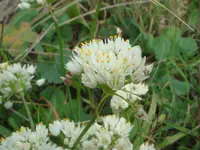
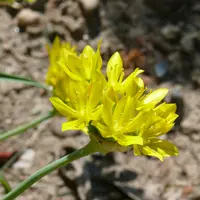
Yellow garlic (Allium moly) is a small bulb-forming perennial grown mainly for its bright yellow, star-shaped flower clusters. It forms low clumps of narrow, gray-green leaves and sends up short stems topped with dense umbels in late spring to early summer.

This species is native to southern Europe, especially Spain and surrounding regions, where it grows in rocky, well-drained sites. It is considered easy to grow in temperate gardens because it tolerates poor soil, resists drought once established, and usually has few pest problems.

Gardeners who want to care for Yellow Garlic should know it prefers full sun, moderately dry conditions, and soil that drains freely to prevent bulb rot.

Main Plant Requirements

Care Difficulty

Easy Care

Light Preference

Full Sun

Water Requirements

Moderate Water

Temperature Preference

Cold Hardy

Hardiness Zone

3–9

Soil Texture

Sandy, Loamy, Rocky

Soil pH

Slightly acidic (6.5–7.0), Slightly alkaline (7.0–7.5)

Soil Drainage

Well-drained

Fertilization

Minimal (feed rarely)

Get Personalized Care Plan

Scan your plant to receive care tips personalized for your specific plant

Available on iOS and Android

How to Care for the Yellow Garlic

This bulb prefers bright outdoor conditions to form sturdy leaves and abundant yellow flowers.

  • Provide 6–8 hours of direct sun daily; morning sun with light afternoon shade is ideal in hot summer regions.
  • Tolerates light partial shade, but flowering of Yellow Garlic may decrease if it receives under 4–5 hours of direct sun.
  • In very hot, dry climates, protect from intense midafternoon sun to prevent leaf scorch, using neighboring plants or light shade cloth.

This bulb prefers moderately dry conditions and is sensitive to excess moisture around the roots.

  • Allow the top 3–5 cm of soil to dry before watering; soil should feel dry to the touch rather than cool and damp.
  • During active growth and flowering, water deeply but infrequently, then reduce watering sharply once foliage starts yellowing and dying back.
  • Use sharply drained, gritty soil; signs of overwatering include yellow, limp leaves and soft bulbs, while underwatering shows as early leaf collapse and stunted flower stalks.

This hardy bulb tolerates a wide range of outdoor temperatures when planted in the ground.

  • Optimal growth occurs in spring with cool to mild conditions around 55–70°F (13–21°C).
  • Dormant bulbs in the soil usually withstand winter down to about 0°F (−18°C) if drainage is good and soil does not stay waterlogged.
  • In summer, established plants tolerate up to about 90°F (32°C), but prolonged heat combined with wet soil increases rot risk, so dry conditions are important.

Allium moly, commonly called yellow garlic, grows best in relatively dry air and does not need elevated humidity.

Allium moly bulbs need lean, fast-draining soil to avoid rot and support firm, upright growth.

  • Use sandy or gritty loam with low to moderate organic matter so water drains quickly yet roots anchor well.
  • Aim for slightly alkaline to neutral soil, around pH 6.8–7.5, which supports healthy foliage and flowering.
  • Blend coarse sand or fine grit with garden soil and a small amount of compost to improve drainage and root aeration.
  • Avoid heavy clay, compacted beds, or mixes that stay wet for more than 1 day after watering, as bulbs decay easily.

This species grows well in containers when drainage and bulb spacing are carefully managed.

  • Choose a wide, shallow pot that allows bulbs to sit with their tips just below the mix surface while still providing 8–10 cm of root depth.
  • Fill the container with a gritty mix (for example 50% potting soil, 30% coarse sand, 20% fine gravel) to keep water moving past the bulbs quickly.
  • Raise the pot on feet or bricks so drainage holes stay clear and excess water escapes freely after rain or irrigation.

Allium moly benefits from light, targeted feeding but does not need heavy fertilization.

  • Apply a balanced slow-release fertilizer (around 10-10-10) at half strength once in early spring as shoots emerge.
  • For container-grown Yellow Garlic, use a diluted liquid balanced feed every 4–6 weeks during active growth only.
  • Avoid high-nitrogen products that promote soft foliage at the expense of flowers and bulb strength.
  • Stop feeding after flowering, and do not fertilize during dormancy in late summer and winter.

Allium moly needs only minimal pruning to keep clumps tidy and support good flowering.

  • In late spring to early summer, deadhead spent flower stalks at the base to prevent unwanted self-seeding.
  • Remove yellowing or damaged leaves with clean, sharp scissors to limit disease and improve appearance.
  • Allow healthy foliage to die back naturally, as it feeds the bulbs for next year’s blooms.
  • Avoid cutting green leaves too hard, which can reduce bulb vigor and future flowering.

Allium moly is usually grown in the ground and only needs infrequent lifting or transplanting.

  • Plan to lift and divide clumps every 3–5 years when flowering declines or bulbs become crowded.
  • Carry out transplanting in late summer to early fall, after foliage has fully died back.
  • Gently lift bulbs with a fork, separate offsets by hand, and replant at the same depth in well-drained soil.
  • Water lightly after replanting to settle soil, then keep soil just barely moist to limit transplant shock.

Allium moly is commonly propagated by bulb division and, less often, by seed.

  • Divide mature clumps in late summer to early fall after foliage has withered completely.
  • Lift bulbs, separate firm offsets, discard any soft or diseased ones, and replant promptly in well-drained soil.
  • Space bulbs 8–10 cm apart, at a depth of about 2–3 times their height, for stable, even clumps.
  • For seed propagation, sow fresh seed in pots outdoors, keep evenly moist, and expect variable germination times.

Allium moly is cold hardy in much of the US and usually needs little specific winter care.

  • Established in-ground bulbs tolerate typical frosts in USDA zones 4–8 without extra protection.
  • In colder or exposed sites, apply a light mulch layer after the ground cools to buffer freeze–thaw cycles.
  • For containers, move pots to a sheltered, unheated area to reduce root freezing and excessive winter wet.

Care Tips

Bulb Clump Division

Lift and divide overcrowded clumps every 3–4 years in late summer after the foliage has fully died back to maintain flowering strength and prevent self-sown seedlings from becoming too dense.

Flower Stalk Removal

Cut spent flower stems at the base as soon as blooms fade to reduce seed production and help the bulbs conserve energy for next year’s growth.

Bulb Marking Strategy

Mark planting spots with discreet labels or small stones right after planting so you can avoid disturbing dormant bulbs during later digging or replanting in the same bed.

Targeted Rodent Protection

In areas with vole or squirrel activity, plant bulbs inside fine metal mesh baskets or line the planting hole with hardware cloth to reduce losses without affecting drainage.

Companion Plant Shielding

Combine bulbs with low, fine-textured perennials or groundcovers that leaf out slightly later, so their foliage hides yellowing allium leaves while still allowing enough light to reach the bulbs when growing Yellow Garlic.

Common Pests and Diseases

Onion fly

This pest lays eggs at the base of the bulbs and the larvae tunnel into the tissue, causing yellowing and collapse of foliage. Symptoms include stunted growth and soft, rotting bulbs with small white maggots inside.

Solution

Use fine mesh or insect netting over the bed from early spring to prevent egg laying, and rotate plantings away from previous allium beds for at least 2–3 years. Remove and destroy affected bulbs, keep the area free of plant debris, and consider using horticultural nematodes in soil where infestations recur.

Leek moth

This pest’s caterpillars mine into leaves and sometimes bulbs, leaving pale, papery patches and droppings inside the tunnels. Symptoms include distorted, weakening foliage and reduced flowering or bulb size.

Solution

Inspect plants regularly and remove and destroy mined leaves before larvae complete their life cycle. Use floating row covers during peak moth activity, avoid nearby volunteer alliums that can host larvae, and clean up all plant material after dieback to reduce overwintering sites.

Allium rust

This disease causes orange to rusty-brown pustules on leaves and flower stalks, often leading to premature yellowing and dieback. Symptoms include scattered raised spots that release powdery spores when touched.

Solution

Remove and discard heavily infected leaves as soon as symptoms appear, and avoid overhead watering to keep foliage as dry as possible. Improve spacing and airflow around clumps, water at soil level, and rotate plantings away from previously infected beds for several years.

White rot

This disease attacks the bulbs and roots, leading to wilting, yellowing foliage and white, fluffy fungal growth with small black sclerotia on the bulb base. Symptoms include plants that pull up easily with decayed roots and a foul smell from rotting tissue.

Solution

Remove and destroy all infected plants and surrounding soil, and do not plant any alliums in the contaminated area for many years because the fungus persists in soil. Focus on clean, disease-free planting stock, very well-drained soil, and careful sanitation of tools and footwear to avoid spreading the pathogen.

Narcissus bulb fly

This pest’s large larvae bore into bulbs, hollowing them out and causing sudden collapse of leaves and failure to flower. Symptoms include a single large maggot inside a soft, rotten bulb and occasionally entry holes near the neck of the bulb.

Solution

Lift and inspect bulbs during dormant periods, discarding any soft or damaged ones before replanting. In regions where this fly is common, plant bulbs a little deeper, cover newly planted areas with fine mesh in spring to reduce egg laying, and promptly remove any plants that show unexplained sudden collapse.

Interesting Facts

Bright sulfur-yellow umbels

This species produces dense, star-shaped flower clusters in a clear sulfur-yellow tone, which is unusual in a genus better known for purple and white blooms.

Weak onion fragrance

Unlike culinary garlic or chives, this ornamental allium has only a mild onion-like scent, enough to hint at its genus but not strong enough to dominate a garden space.

Mediterranean rock specialist

Allium moly is naturally native to rocky and mountainous areas in southwestern Europe, where it is adapted to thin, well-drained soils and dry summer conditions.

Botan icon

Did you know?

Bulbs and leaves of Allium moly have historically been used in some European folk traditions as protective charms, which likely stems from its association with mythical garlic and the broader cultural symbolism of alliums as warding plants.

FAQs about Yellow Garlic

The bulbs and leaves are technically edible and have a mild garlic flavor, but this ornamental species is usually grown for its flowers. Many gardeners prefer culinary garlic varieties, which have stronger flavor and more predictable culinary qualities.

Grow Healthy Plants with Botan Care

Keep your plants happy and healthy with plant identification, disease detection, and easy care guidance.

Botan plant care app — identify plants on mobile

Explore More Plants