largeflower onion Care (Allium macropetalum)

largeflower onion

About largeflower onion

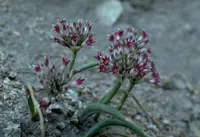
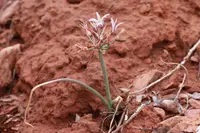
Largeflower onion, Allium macropetalum, is a small perennial bulb from arid regions of the southwestern United States and northern Mexico. It naturally grows on rocky, well-drained slopes and desert grasslands.

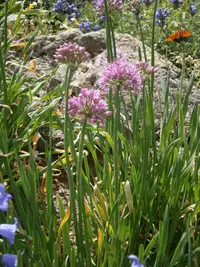
The plant forms slender, grass-like leaves and sends up wiry stems topped with relatively large, starry pink to lavender flowers. It stays compact and does not form dense clumps.

This species suits rock gardens, xeric plantings, and naturalistic plantings where soils are gritty and moisture is limited. Understanding how to care for largeflower onion starts with providing full sun, sharp drainage, and relatively dry conditions outside its brief active season.

Main Plant Requirements

Care Difficulty

Easy Care

Light Preference

Full Sun

Water Requirements

Low Water

Temperature Preference

Cold Hardy

Hardiness Zone

4–8

Soil Texture

Sandy, Loamy, Rocky

Soil pH

Slightly acidic (6.5–7.0), Slightly alkaline (7.0–7.5)

Soil Drainage

Well-drained

Fertilization

Minimal (feed rarely)

Get Personalized Care Plan

Scan your plant to receive care tips personalized for your specific plant

Available on iOS and Android

How to Care for the largeflower onion

This desert bulb prefers bright, direct sun for strong flowering and compact growth.

  • Provide 6–8 hours of direct sun daily; full sun exposure suits largeflower onion in most temperate and arid climates.
  • Allow light afternoon shade in very hot regions, especially on south- or west-facing sites, to reduce leaf scorch and premature dieback.
  • Avoid deep shade, which leads to weak, floppy stems and poor blooming; in winter, ensure the site is not shaded by buildings or evergreen trees.

This species prefers dry, fast-draining conditions and is highly sensitive to excess moisture.

  • Water established clumps only when the top 5–7 cm of soil are completely dry, using a deep soak rather than frequent light splashes.
  • Ensure gritty, sharply draining soil or a raised bed so water runs through quickly; standing water around the bulbs greatly increases rot risk.
  • Reduce or stop watering after flowering when foliage begins to yellow, then resume light watering in active growth; shriveling, papery leaves suggest sustained drought.

This hardy allium tolerates significant cold and heat if soil stays well drained.

  • Active growth is strongest around 55–75°F (13–24°C), with flowering reliable in typical spring conditions of many temperate regions.
  • Dormant bulbs tolerate winter lows near 0°F (−18°C) in dry soil; prolonged wet cold is more damaging than low temperature alone.
  • In summer, plants handle dry heat up to about 95°F (35°C) if roots are not waterlogged; sustained extreme heat with high humidity can shorten bloom life.

This species is adapted to arid climates, so humidity is rarely a concern for largeflower onion in typical indoor or outdoor conditions.

Allium macropetalum prefers mineral, fast-draining soil that mimics its native desert and rocky habitats.

  • Use sandy or gravelly loam with at least 40–60% coarse material such as horticultural grit, pumice, or sharp sand to prevent water retention around bulbs.
  • Incorporate a small amount of compost or leaf mold (10–20%) for structure, but avoid peat-heavy, moisture-holding mixes that stay wet for long periods.
  • Aim for slightly alkaline to neutral pH around 7.0–7.8, avoiding strongly acidic conditions that can weaken bulb scales and roots.
  • Plant bulbs on a slight slope or in raised beds so excess water drains away quickly, reducing the risk of basal rot in prolonged wet weather.

This species can be grown in containers if the pot and substrate are chosen to keep the bulbs dry around the base.

  • Select a deep pot that allows 10–15 cm of substrate beneath the bulbs so roots can anchor and access a stable moisture zone below the rapidly drying top layer.
  • Choose unglazed terracotta over plastic where possible, as its porous walls help excess moisture evaporate in cool or wet spells.
  • Add a 2–3 cm layer of coarse gravel above the drainage holes before filling to reduce fine particles clogging the exits and slowing water escape.

This drought-adapted bulb needs only light feeding, so focus on supporting soil health rather than heavy fertilization when caring for largeflower onion.

  • Apply a thin layer of compost or well-rotted manure over the planting area once in early spring before active growth.
  • In poorer soils, use a balanced slow-release granular fertilizer (around 10-10-10) at half label rate in early spring.
  • Avoid mid- to late-summer feeding so bulbs can harden off and prepare for dormancy.
  • Do not fertilize during dormancy or winter, as inactive bulbs cannot use added nutrients and may rot.

Allium macropetalum requires minimal pruning, mainly to keep the planting area tidy and reduce disease risk.

  • Cut spent flower stalks at the base after blooming if seed is not desired, using clean, sharp scissors or pruners.
  • Remove only yellowed or fully dry foliage, leaving green leaves to photosynthesize and recharge the bulb.
  • Avoid cutting healthy leaves early, as this can reduce bulb strength and flowering the following season.

This species is usually grown in the ground; focus on occasional lifting and replanting rather than frequent repotting.

  • Transplant or divide clumps every 3–5 years if flowering declines or bulbs become crowded.
  • Choose late summer to early fall, after foliage has fully died back and bulbs are dormant.
  • Lift bulbs gently with a fork, keep tunics (dry skins) intact, and separate offsets by hand.
  • Replant in well-drained, sandy or gritty soil at the same depth, water once to settle soil, then keep on the dry side.

Allium macropetalum is commonly propagated by bulb division and sometimes from seed for larger drifts.

  • Divide mature clumps in late summer to early fall when bulbs are dormant and foliage is dry.
  • Lift bulbs carefully, separate offsets by hand, discarding any soft or diseased material.
  • Replant offsets in sharp, well-drained soil, spacing 10–15 cm apart, and water lightly once.
  • For seeds, sow fresh in trays outdoors, keep evenly moist, and allow natural winter chilling to break dormancy.

This bulb is quite cold hardy in much of the US and usually needs little winter care in the ground.

  • In regions colder than its usual range, add a light 5–7 cm mulch layer after soil freezes to insulate bulbs.
  • Keep mulch loose and dry, using materials like straw or shredded leaves to avoid trapping excess moisture.
  • For containers, move pots to a sheltered, unheated area where soil stays cold but does not stay waterlogged.

Care Tips

Bulb clump management

Lift and divide crowded clumps every 3–5 years in late summer after foliage has fully died back, spacing bulbs so they are not touching to maintain strong flowering and reduce disease pressure.

Dry rest protection

In regions with summer rain, place a flat stone or piece of flagstone over the planting area after foliage dies back to shed excess water from the bulbs while still allowing some air movement.

Gravel surface mulch

Top-dress the planting zone with a 1–2 in layer of coarse grit or pea gravel to keep the bulb necks dry, discourage rot, and provide better drainage around the crown.

Seed propagation practice

If you want to grow largeflower onion from seed, collect seed heads as they dry, sow fresh seed in a well-drained tray outdoors, and allow natural winter chilling to break dormancy for more reliable germination.

Rodent and pest deterrence

In areas with rodent or rabbit pressure, plant bulbs in groups inside buried wire baskets or hardware cloth cylinders so roots can grow out while the bulbs remain protected from chewing.

Common Pests and Diseases

Onion thrips

These insects feed on leaf surfaces, causing silvery streaks, tiny black specks, and gradual leaf yellowing on the narrow foliage. This pest is more common in dry, exposed plantings and can reduce flowering if populations are high.

Solution

Rinse foliage with a firm stream of water to dislodge insects, then use insecticidal soap or a spinosad-based spray, focusing on the leaf bases and undersides. Reduce dust, avoid heavy nitrogen fertilization, and rotate allium plantings to limit buildup in dry, windy sites where caring for largeflower onion is otherwise straightforward.

Allium leaf miner

This pest creates pale mines or blotches in leaves, and larvae tunnel inside the foliage and stalks, which can weaken flowering stems. Symptoms include distorted growth and small maggots inside hollow leaves and scapes.

Solution

Remove and dispose of infested leaves and flowering stems before larvae complete development, and avoid composting them. Use fine insect netting over plantings during adult flight periods, and practice crop rotation by not planting alliums in the same bed in consecutive seasons.

Downy mildew

This disease produces pale yellow patches on leaves that later develop a grayish-purple, fuzzy growth in cool, moist weather. Symptoms include premature leaf collapse, which can reduce bulb vigor and flowering the following season.

Solution

Improve air circulation by avoiding overcrowding, watering early in the day, and keeping irrigation at soil level rather than on leaves. Remove and destroy infected foliage, and in regions with recurrent problems consider applying a labeled copper or phosphorous acid fungicide preventively during cool, damp periods.

Botrytis leaf blight

This disease causes small, water-soaked spots on leaves that turn tan or brown, often with a slightly sunken center, eventually leading to blighted leaf tips. In humid or wet conditions, a gray mold can appear on affected tissue.

Solution

Remove and discard affected leaves promptly to reduce spore spread, and avoid overhead watering when possible. Space plants to dry quickly after rain, clean up all allium debris after flowering, and if outbreaks are severe in a region, consider using a registered fungicide at the first signs of spotting.

Interesting Facts

Desert onion specialist

This species is native to arid regions of the American Southwest, where it grows in sandy or rocky soils and tolerates intense sun and low rainfall better than many other ornamental onions.

Delicate pale flowers

Its nodding, star-shaped flowers are usually pale pink to whitish with darker midveins, giving the umbels a soft, bicolored appearance that contrasts with the harsher desert landscape.

Rocky slope microhabitats

In the wild, it often anchors in crevices and gravelly slopes, using cracks in rock and thin soil pockets that provide both drainage and slight protection from temperature extremes.

FAQs about largeflower onion

Lack of flowering usually comes from insufficient sun, bulbs planted too shallow or deep, or overcrowding that reduces energy reserves. Mature bulbs also need a cool, dry rest after foliage dies back to set next season’s flower buds.

Grow Healthy Plants with Botan Care

Keep your plants happy and healthy with plant identification, disease detection, and easy care guidance.

Botan plant care app — identify plants on mobile

Explore More Plants