Spring division timing
Lift and divide clumps only in early spring just as new shoots emerge, so the bulbs re-establish quickly and suffer minimal stress in the new site.

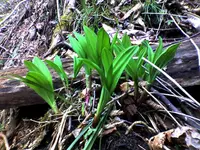
Siberian onion, Allium ochotense, is a hardy, bulb-forming perennial from cold regions of northeastern Asia. It belongs to the same genus as common culinary onions. The plant forms clumps of broad, green leaves and slender flower stalks with small, pale blooms, giving a tidy, compact look in the garden or container. In the wild it grows in cool, open mountain or forest-edge habitats, often in moist but well-drained soils. It is generally robust and long lived if kept in cool conditions and protected from extreme heat and waterlogging. For those learning how to care for Siberian onion, it prefers bright light, moderate moisture, and loose, fertile soil.

Care Difficulty
Moderate Care

Light Preference
Partial Sun

Water Requirements
Moderate Water

Temperature Preference
Cold Hardy

Hardiness Zone
3–7

Soil Texture
Sandy, Loamy, Organic-rich

Soil pH
Acidic (5.5–6.5), Slightly acidic (6.5–7.0)

Soil Drainage
Well-drained

Fertilization
Minimal (feed rarely)
Scan your plant to receive care tips personalized for your specific plant
Available on iOS and Android
Allium ochotense forms stronger leaves and bulbs with cool, bright outdoor light in open beds or woodland edges.
This species prefers moist, well-drained soil and reacts quickly to both drought and waterlogging.
This cold-tolerant wild onion handles cool climates well but still benefits from moderate growing temperatures.
Humidity is not a critical factor for Allium ochotense, which handles typical indoor and outdoor air well.
Allium ochotense prefers loose, well-drained, moderately fertile soil that never stays waterlogged.
This species grows reliably in containers when given a deep, freely draining setup.
Allium ochotense grows well in lean soils but benefits from light, targeted feeding in cultivation.
Pruning needs for Allium ochotense are low and mainly focus on hygiene and appearance.
This species is usually grown in the ground, so focus on careful transplanting rather than frequent repotting.
Allium ochotense is most reliably propagated by division, with seed used mainly for longer projects or breeding.
This cold-hardy species usually needs minimal winter care in the ground once established in temperate climates.

Plant Health Check
Not sure what's wrong with your plant? Check your plant's health inside the app.
This species is a wild Allium native to cold, northern regions of East Asia, where it grows in cool forests and mountain slopes emerging soon after snowmelt.
The leaves and bulbs release a strong onion or garlic-like scent when crushed, reflecting high levels of sulfur-containing compounds typical of the onion family.
It is a geophyte, meaning it survives winter as an underground bulb and sends up leaves very early in spring to take advantage of strong light before trees fully leaf out.
Yellowing leaves usually indicate natural dieback after the growing season, bulb crowding, or stress from water imbalance. Check drainage, avoid waterlogged soil, and divide congested clumps every few years to maintain vigor.
Keep your plants happy and healthy with plant identification, disease detection, and easy care guidance.