Encourage Runner Control
Pinch off most runners during the first year so the plant puts energy into a strong crown and root system, then allow a few runners in later seasons to root in place and renew the patch.

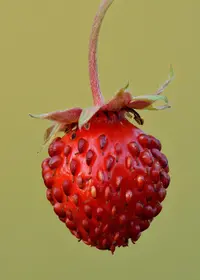
Wild strawberry, Fragaria vesca, is a low-growing perennial herb that forms small clumps and spreads with short runners. It usually stays compact, making it suitable for groundcover or small garden spaces.
Plants have trifoliate leaves with softly toothed edges and produce small white flowers, followed by tiny but flavorful red berries. In the wild, it occurs across much of Europe, Asia, and North America, often in woodland edges, meadows, and light shade.
It is generally easy to grow, as long as it has reasonably moist, well-drained soil and moderate light. These traits make it straightforward to learn how to care for wild strawberry in home gardens.

Care Difficulty
Easy Care

Light Preference
Full Sun

Water Requirements
Regular Water

Temperature Preference
Cold Hardy

Hardiness Zone
3–9

Soil Texture
Sandy, Loamy, Organic-rich

Soil pH
Acidic (5.5–6.5), Slightly acidic (6.5–7.0)

Soil Drainage
Moist but well-drained

Fertilization
Light (every 4–6 weeks)
Scan your plant to receive care tips personalized for your specific plant
Available on iOS and Android
Fragaria vesca performs best with consistent direct light but tolerates some shade, especially in warmer regions.
Fragaria vesca prefers evenly moist, well-drained soil that never stays soggy or bone dry for long periods.
This species grows best in mild conditions and tolerates cool weather better than intense heat.
This species grows well in typical outdoor humidity but benefits from slightly moist air in hot, dry weather.
This species prefers loose, fertile, evenly moist soil with reliable drainage.
This species is well suited to container growing when root space and drainage are managed carefully.
Fragaria vesca benefits from modest, consistent feeding rather than heavy fertilization.
Light, timely pruning keeps Fragaria vesca productive and reduces disease pressure.
Transplanting or repotting helps maintain vigorous growth and fruiting in container or bed-grown plants.
Fragaria vesca is commonly propagated by runners, division, and seeds for larger plantings.
This species is generally cold hardy, but light winter care maintains plant health and yield.

Plant Health Check
Not sure what's wrong with your plant? Check your plant's health inside the app.
This species is native across much of Europe and parts of western Asia, where it has grown in forest clearings, woodland edges, and grasslands since long before modern cultivated strawberries were developed.
Fragaria vesca contributed genetically to early breeding work that led to modern large-fruited garden strawberries, and its genomes are still used as a model in strawberry genetics research because they are relatively small and well mapped.
Unlike many larger-fruited cultivated strawberries that fruit mainly once, many wild populations of this species are naturally remontant, meaning they can flower and produce small crops of berries several times in a single growing season under suitable conditions.

In parts of Central Europe, some traditional meadow and forest management practices were historically timed to avoid mowing or heavy grazing during the main fruiting period of this species, because its intensely aromatic berries were considered a valued seasonal wild food that communities did not want to disturb.
The fruits and leaves are edible for most people and often used fresh, dried, or in teas. Some individuals with strawberry allergies may react, so introduce small amounts first and monitor for itching, swelling, or digestive discomfort.
Keep your plants happy and healthy with plant identification, disease detection, and easy care guidance.