alpine aster Care (Aster alpinus)

Also known as: Тагийн гол гэсэр, Гол гэсэр, blue alpine aster
alpine aster

About alpine aster

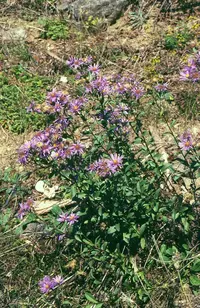
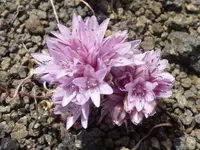
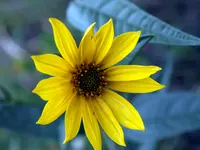
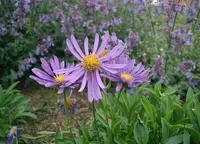
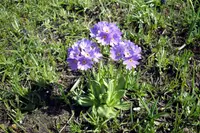
Alpine aster (Aster alpinus) is a compact, perennial daisy-like plant valued for its early summer flowers and tidy, clumping growth. It typically forms low mounds topped with single, star-shaped blooms in shades of violet, pink, or white with yellow centers.

This species is native to mountain regions of Europe and Asia, where it grows in rocky, well-drained soils and cool conditions. It is generally considered easy to grow in temperate climates if given sun, good drainage, and moderate moisture.

Gardeners who care for alpine aster appreciate its hardiness, cold tolerance, and ability to provide reliable color in rock gardens, borders, and containers.

Main Plant Requirements

Care Difficulty

Moderate Care

Light Preference

Full Sun

Water Requirements

Moderate Water

Temperature Preference

Cold Hardy

Hardiness Zone

3–7

Soil Texture

Sandy, Loamy, Rocky

Soil pH

Acidic (5.5–6.5), Slightly acidic (6.5–7.0)

Soil Drainage

Well-drained

Fertilization

Minimal (feed rarely)

Get Personalized Care Plan

Scan your plant to receive care tips personalized for your specific plant

Available on iOS and Android

How to Care for the alpine aster

This compact mountain perennial needs bright, cool conditions to flower well.

  • Provide 6–8 hours of direct sun daily, ideally with strong morning sun and lighter afternoon exposure to prevent heat stress in warmer climates.
  • Tolerates light partial shade, especially in hot summers, but too much shade leads to floppy stems and fewer blooms on alpine aster.
  • In cooler regions, full sun all day is ideal; in regions with intense summers, give midday protection using taller plants or light dappled shade.

This species prefers steady moisture in well-drained soil rather than frequent, shallow watering.

  • Water when the top 3–5 cm of soil feels dry, soaking the root zone once rather than applying small daily amounts.
  • During cool spring and fall, watering needs are modest; in hot, dry spells, monitor closely and increase frequency while still allowing the surface to dry slightly.
  • Signs of overwatering include yellowing lower leaves and limp, soft stems; dry, crispy foliage and drooping during cool times suggest underwatering for Aster alpinus.

This hardy perennial is adapted to cool summers and cold winters.

  • Active growth and best flowering occur around 55–70°F (13–21°C), reflecting its origin in alpine and subalpine climates.
  • Mature plants tolerate down to about -30°F (-34°C) in the ground with good drainage, making them suitable for many cold-winter regions.
  • Heat tolerance is moderate; above 85°F (29°C) for extended periods, flowering may slow, so combine sun with cooler airflow and avoid reflected heat from pavement.

This species prefers relatively dry air and usually does not need special humidity management outdoors.

  • Aim for 30–50% humidity, which matches typical outdoor and indoor household conditions in most temperate regions.
  • Plants tolerate dry air well, but prolonged hot winds can cause crisping leaf edges and quicker flower fade.
  • Increase local humidity slightly in extreme heat by grouping pots together or placing a shallow pebble tray nearby, without wetting foliage.

This alpine perennial needs lean, sharply drained soil to avoid root and crown rot.

  • Use a sandy or gritty loam with coarse texture; mix roughly 50–60% mineral material (sand or grit) with 40–50% compost.
  • Ensure rapid drainage by planting on a slope, raised bed, or in a mound so water does not sit around the crown.
  • Aim for slightly acidic to neutral soil, around pH 6.0–7.2, as Aster alpinus performs poorly in very acidic or strongly alkaline ground.
  • Avoid heavy clay or compacted soils; lighten them with sharp sand and fine gravel to improve aeration and prevent winter wetness.

This species can be grown successfully in containers if drainage and root space are carefully managed.

  • Choose a pot wider than it is deep to match the fibrous, spreading root system and prevent the crown from crowding the rim.
  • Select a heavy, stable container material such as ceramic if the plant is exposed to wind, as flower stems can make it top-heavy.
  • Elevate the pot on feet or bricks so drainage holes stay clear and water can exit quickly after rain or irrigation.

This alpine aster benefits from light, balanced feeding during its active growing season.

  • Use a balanced, slow-release fertilizer (for example 10-10-10) or a light top-dressing of compost in early spring.
  • Feed every 6–8 weeks through flowering, keeping soil slightly moist before and after application.
  • Dilute liquid feeds to 1/2 strength to avoid salt buildup and lush, floppy growth.
  • Stop feeding Aster alpinus in late summer so growth hardens before winter dormancy.

Thoughtful pruning keeps Aster alpinus compact and encourages repeat or stronger flowering.

  • In late spring to early summer, deadhead spent blooms down to the first healthy leaves to extend flowering.
  • After flowering finishes, shear back the foliage by about one-third to tighten shape and promote fresh growth.
  • Remove dead, damaged, or crowded stems at the base using clean, sharp scissors or hand pruners.
  • In late fall, cut back browned stems close to ground level to tidy the clump and reduce disease carryover.

This species is most often grown in beds or rock gardens, where occasional division and transplanting maintain vigor.

  • Transplant in early spring or early fall, when temperatures are mild and soil is workable.
  • Look for signs such as congested clumps, weak flowering, or roots circling a container as indicators that moving is needed.
  • Lift the plant carefully, keep as much root ball intact as possible, and replant at the same soil depth in well-drained ground.
  • Water thoroughly after planting, then keep soil evenly moist for 1–2 weeks to limit transplant shock and support root recovery.

New plants are commonly produced by division, with seeds also used for larger batches of Aster alpinus.

  • Divide mature clumps in early spring or early fall, separating sections with several shoots and healthy roots.
  • Replant divisions immediately into well-drained soil, water in, and keep evenly moist until growth resumes.
  • Sow seeds on the surface of a gritty mix, barely covering, at 60–68°F with bright light for germination.
  • Provide good air circulation and avoid waterlogging to reduce damping-off in seedlings and rotting of divisions.

This alpine perennial is quite cold hardy and usually needs only minimal winter care in most temperate climates.

  • After hard frost, allow foliage to die back, then cut stems close to ground level if desired.
  • Apply a light mulch layer (2–5 cm) over the root zone to moderate freeze–thaw cycles.
  • In very cold or exposed sites, use extra mulch or gravel to insulate crowns while keeping drainage high.
  • Move container-grown plants into a sheltered, unheated area to prevent repeated freeze–thaw of the potting mix.

Care Tips

Encourage Dense Clumps

After flowering, shear back spent stems by about one-third to stimulate compact new growth and reduce gaps in the clump the following season.

Controlled Self-Seeding

If you want a naturalized look, leave a few faded flower heads to set seed, then lightly rake the soil around them in fall to help the seed make contact and improve germination when you grow alpine aster in drifts.

Winter Drainage Check

Before winter, ensure the planting site is not in a depression; if water pools, lightly mound soil around the crown to keep it slightly elevated and reduce crown rot risk.

Targeted Pest Monitoring

Inspect the undersides of leaves and flower stalks every 1–2 weeks in spring and early summer for aphids and mites, and use a strong water spray or insecticidal soap at first sight to prevent distortion of new growth.

Divide With Precision

Every 3–4 years, lift and divide clumps in early spring, discarding woody or dead centers and replanting only vigorous outer sections to maintain flowering performance and overall plant vigor.

Common Pests and Diseases

Powdery mildew

This disease causes a white, powdery coating on leaves, stems, and sometimes flower buds, especially in warm, dry conditions with poor air movement. Symptoms include distorted growth and early leaf yellowing or drop.

Solution

Remove and discard heavily affected leaves to reduce spore load, then improve spacing and airflow around plants and avoid overhead watering. For recurring problems, apply a sulfur or potassium bicarbonate fungicide labeled for ornamentals at the first sign of infection and keep foliage as dry as possible.

Leaf spot

This disease produces small brown, purple, or tan spots on leaves that may enlarge and merge, causing foliage to yellow and die back from the bottom of the plant. Symptoms include reduced vigor and poor flowering in severe cases.

Solution

Cut off and discard affected leaves and any dead plant debris around the clump to remove sources of infection. Improve drainage and airflow, water at soil level, and, if needed, use a copper- or chlorothalonil-based fungicide at label rates during prolonged wet weather to protect new foliage.

Aphids

These insects cluster on young stems, buds, and leaf undersides, sucking sap and causing curling, distortion, and sticky honeydew deposits. This pest can also attract sooty mold and reduce flower quality.

Solution

Dislodge colonies with a strong stream of water from a hose and pinch off heavily infested shoot tips. If populations persist, treat with insecticidal soap or a light horticultural oil, ensuring thorough coverage of leaf undersides and repeating as needed according to label directions.

Spider mites

These pests feed on the undersides of leaves, causing fine stippling, bronzing, and eventual leaf drop, often in hot, dry weather. Symptoms include fine webbing between leaves and stems in advanced infestations.

Solution

Increase humidity around outdoor plantings with regular overhead rinsing in the morning and gently wash foliage to remove mites and webbing. For ongoing issues, apply insecticidal soap or horticultural oil to both upper and lower leaf surfaces and maintain plants well watered but not soggy to reduce stress.

Crown rot

This disease affects the base of the plant where stems meet the roots, causing yellowing, wilting, and collapse of entire clumps, often in poorly drained or waterlogged soil. Symptoms include dark, mushy tissue at the crown and poor overwinter survival.

Solution

Dig up and discard severely affected plants and avoid replanting asters in the same poorly drained spot. Improve drainage with raised beds or amended soil, plant A. alpinus at the correct depth with the crown above saturated zones, and water deeply but infrequently so the soil dries between waterings to support long-term Aster alpinus care instructions.

Interesting Facts

True alpine specialist

This species is naturally restricted to high-elevation habitats in European mountain ranges such as the Alps, Carpathians, and Pyrenees, where it grows in rocky grasslands and scree. Its compact rosette and low stature help it withstand strong winds and short growing seasons typical of alpine environments.

Early-season pollinator resource

In its native range, it flowers relatively early in the short alpine summer, providing nectar and pollen for bees, butterflies, and other insects when few other blooms are available. The daisy-like flower heads are structured to make landing and feeding easy for a variety of pollinators.

Long-lived root system

Although the above-ground rosette looks small, it develops a durable, branching rootstock that can persist for many years in the same spot. This allows the plant to survive repeated freezing, snow cover, and nutrient-poor soils common in high mountain terrains.

Botan icon

Did you know?

Aster alpinus was among the early alpine ornamentals introduced into European gardens during the 18th and 19th centuries, valued because it could be moved from harsh mountain habitats into rock gardens at lower elevations while maintaining its characteristic compact, cushion-like growth and vivid flower color.

FAQs about alpine aster

Lack of flowers usually comes from too much shade, excess nitrogen fertilizer, or young plants not yet mature. Ensure full sun, well‑drained soil, and avoid high‑nitrogen feeds. Dividing overcrowded clumps every few years can also restore flowering.

Grow Healthy Plants with Botan Care

Keep your plants happy and healthy with plant identification, disease detection, and easy care guidance.

Botan plant care app — identify plants on mobile

Explore More Plants