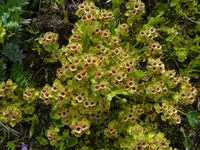
European Michaelmas-daisy Care (Aster amellus)

Also known as: Italian Aster
European Michaelmas-daisy

About European Michaelmas-daisy

European Michaelmas-daisy (Aster amellus) is a compact, clump-forming perennial from dry, sunny slopes and open woods in central and southern Europe. It belongs to the daisy family and produces neat mounds of upright stems.

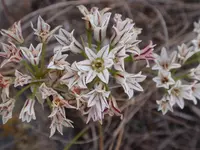
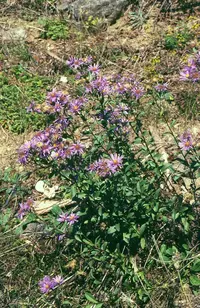
Plants carry many star-shaped flowers with yellow centers and lilac to purple or sometimes pink ray petals, giving a fine-textured, airy look in late summer to fall. Foliage is simple, narrow, and typically forms a dense base.

This species is generally considered easier to grow than many taller asters because it stays compact, resists flopping, and tolerates poorer soils. It prefers full sun, moderately moist but well-drained soil, and benefits from basic knowledge of how to care for European Michaelmas-daisy.

Main Plant Requirements

Care Difficulty

Easy Care

Light Preference

Full Sun

Water Requirements

Moderate Water

Temperature Preference

Cold Hardy

Hardiness Zone

4–8

Soil Texture

Sandy, Loamy, Clay

Soil pH

Acidic (5.5–6.5), Slightly acidic (6.5–7.0)

Soil Drainage

Well-drained

Fertilization

Minimal (feed rarely)

Get Personalized Care Plan

Scan your plant to receive care tips personalized for your specific plant

Available on iOS and Android

How to Care for the European Michaelmas-daisy

Aster amellus grows best in bright, direct sun for strong stems and abundant flowers.

  • Provide 6–8 hours of direct sunlight daily; morning sun with light afternoon shade reduces stress in hot summers.
  • Plant European Michaelmas-daisy where it receives at least 4 hours of unshaded morning sun if full-day exposure is not possible.
  • Watch for leggy, flopping growth and sparse blooms as signs of too little sun, and scorched, crispy leaves as a sign of excessive intense afternoon sun.

Aster amellus prefers evenly moist but not waterlogged soil, especially during active growth and flowering.

  • Water when the top 3–5 cm of soil feels dry, applying a slow soak at the base so moisture reaches the root zone without leaving standing water.
  • Use well-drained soil or beds; persistent sogginess, yellowing lower leaves, and soft stems indicate overwatering and possible root rot.
  • In spring and summer, check moisture more often during hot, dry spells; in cooler or rainy periods, extend intervals and rely on soil feel rather than a fixed schedule.

This species is a hardy perennial that tolerates cool conditions but performs best in moderate temperatures.

  • Optimal growth occurs around 60–75°F (16–24°C), supporting sturdy stems and reliable late-summer to autumn flowering.
  • Established plants typically survive down to about 0–5°F (-18 to -15°C) in the ground, with crowns insulated by soil and mulch.
  • During heat above 85–90°F (29–32°C), flowering may slow; provide mulch to keep roots cooler and ensure adequate soil moisture to limit stress.

This species is adapted to outdoor conditions and usually does not need special humidity control.

Aster amellus prefers mineral, free-draining soil that never stays waterlogged.

  • Use a sandy or loamy mix with 30–40% grit or coarse sand to keep the root zone aerated.
  • Aim for slightly alkaline to neutral pH, roughly 6.8–7.5, which supports flowering and healthy growth.
  • Incorporate modest amounts of compost, avoiding heavy peat that can hold excessive moisture around the roots.
  • Avoid compacted clay and low-lying, wet spots, which increase the risk of root rot and winter losses.

This species can grow well in containers when drainage and stability are carefully managed.

  • Choose a pot at least 25–30 cm wide to allow clump expansion without crowding the root system.
  • Select a heavier container material, such as ceramic, to prevent tall flowering stems from tipping the pot in wind.
  • Fill the pot with a gritty, fast-draining mix and raise it slightly on pot feet so excess water clears quickly.

Aster amellus benefits from light, consistent feeding during the active growing season to support flowering without forcing soft, weak growth.

  • Use a balanced NPK granular or liquid fertilizer at half strength every 4–6 weeks from spring to mid-summer.
  • Alternatively, work a thin layer of compost into the soil surface in early spring for slow nutrient release.
  • Stop feeding by late summer so shoots harden before winter and to avoid lush, frost-sensitive growth.
  • Reduce or skip fertilizer during winter dormancy, especially for established European Michaelmas-daisy clumps.

Pruning Aster amellus keeps clumps dense, reduces flopping, and encourages more flowering stems.

  • In late spring, pinch or lightly trim shoot tips when 10–15 cm tall to promote branching and compact shape.
  • From late summer through fall, deadhead spent flower stems to extend blooming and maintain a neat appearance.
  • In late fall or very early spring, cut back dead, brown stems to 2–5 cm above soil level.
  • Use clean, sharp hand pruners and remove damaged, crossing, or crowded stems to improve air flow and reduce disease.

Aster amellus is usually grown in garden beds, where occasional lifting and division keeps plants vigorous and flowering well.

  • Check for slow growth, woody centers, or congested clumps as signs that division or transplanting is due, usually every 3–4 years.
  • Carry out transplanting in early spring or early fall when temperatures are mild and soil is evenly moist.
  • Lift the clump carefully, tease or cut it into sections with healthy roots and several shoots, and discard weak, dead centers.
  • Replant divisions at the same depth, water thoroughly, and shade lightly for a few days to limit transplant stress.

Aster amellus is commonly propagated by division, basal cuttings, or seed, allowing gardeners to renew old clumps and increase stock.

  • Divide established clumps in early spring or early fall, replanting vigorous outer sections with strong roots and multiple buds.
  • Take non-flowering basal cuttings in late spring, insert into a free-draining mix, and keep lightly moist in bright, indirect light.
  • Sow fresh seed in late fall or early spring, barely covering it and keeping the surface evenly moist until germination.
  • Label new plants and grow them on in a low-stress site for 1 season before moving them into exposed, sunny borders.

Aster amellus is generally cold hardy in temperate climates and needs only modest winter care in the ground.

  • After hard frost, allow stems to die back, then cut to 2–5 cm above soil in late fall or very early spring.
  • Apply a 5–8 cm layer of organic mulch around, but not over, the crowns to insulate the root zone and reduce heaving.
  • In colder regions or exposed sites, container plants benefit from moving to a sheltered, unheated but frost-sheltered area.

Care Tips

Pinch Young Stems

Lightly pinch back the soft tips of new shoots in late spring to encourage shorter, bushier plants with more flowering stems later in the season.

Timed Deadheading

Remove spent flower heads promptly but leave the last flush of blooms in late fall so seeds can feed birds and help the clump self-sow modestly.

Airflow Spacing

Space plants so foliage just touches at maturity and thin out a few crowded stems in midseason to improve airflow and reduce foliar mildew problems.

Three-Point Staking

For taller cultivars in windy sites, place 2–3 discreet stakes around the clump early in the season and loop soft twine loosely around the stems for hidden support.

Regular Clump Division

Divide clumps every 3–4 years in early spring, replanting only the vigorous outer sections to maintain strong flowering and long-term health when growing European Michaelmas-daisy.

Common Pests and Diseases

Powdery mildew

This disease often appears in late summer to autumn, especially in dense clumps or dry, stagnant air. Symptoms include white, powdery patches on upper leaf surfaces and sometimes on stems and buds.

Solution

Improve air circulation by thinning crowded stems and avoid overhead watering, especially in the evening. Remove and dispose of heavily infected leaves, then apply a sulfur or potassium bicarbonate fungicide labeled for ornamentals if the problem is progressing, following the product directions carefully.

Aster yellows

This disease causes yellowing, stunted growth, distorted leaves, and deformed, greenish flowers that fail to develop normal color. Symptoms include plants that look weak and misshapen while nearby plants may still appear healthy.

Solution

Promptly remove and destroy symptomatic plants, including roots, since there is no cure once infected. Reduce populations of leafhoppers, which spread the pathogen, by controlling weeds around the planting area and using row covers or insecticidal soap on nearby susceptible ornamentals if pressure is high.

Aphids

These insects cluster on soft stems and flower buds, sucking sap and causing curling or distorted foliage and sticky honeydew. This pest can also promote sooty mold growth on leaves and attract ants.

Solution

Spray colonies off with a firm stream of water, then treat remaining clusters with insecticidal soap or a neem oil product, making sure to coat the undersides of leaves and new growth. Encourage natural predators such as lady beetles by avoiding broad-spectrum insecticides nearby.

Leafhoppers

These insects are agile, wedge-shaped pests that feed on leaves, causing pale speckling, leaf tip browning, and a general faded appearance. This pest can also transmit aster yellows, increasing disease risk in plantings of A. amellus.

Solution

Remove plant debris and weeds that shelter leafhoppers and use reflective mulch or fine mesh row covers early in the season if infestations are recurring. For active outbreaks, apply insecticidal soap or a pyrethrin-based product labeled for ornamentals in the evening, targeting the undersides of leaves where insects rest.

Botrytis blight

This disease develops in cool, humid weather and affects flower buds, petals, and sometimes leaves and stems. Symptoms include brown, water-soaked spots and a gray, fuzzy mold on dead or dying tissues, especially within dense clusters of blooms.

Solution

Remove spent flowers and any soft, rotting tissue promptly, disposing of it in the trash rather than compost. Improve air movement, avoid wetting flower heads, and if conditions remain very humid, use a fungicide labeled for botrytis on ornamentals as a preventive measure, following all label directions for growing European Michaelmas-daisy.

Interesting Facts

Calcareous grassland specialist

This species naturally occurs on sunny, dry, lime-rich grasslands and rocky slopes in central and southern Europe, where many other asters struggle to thrive, making it an indicator of low-nutrient, calcareous soils.

Extended late-summer bloom

In its native range, it typically flowers from late summer into early autumn, providing one of the more reliable late nectar sources for bees, hoverflies, and butterflies when many other wildflowers have already finished.

Compact, clump-forming habit

Unlike many North American asters that spread aggressively by rhizomes, this species forms relatively tight clumps and expands slowly, which makes Aster amellus plant care in gardens more predictable and easier to manage over time.

Botan icon

Did you know?

Carl Linnaeus validly described Aster amellus in the 18th century, and it became one of the classic European species used to define the traditional aster group in early botanical taxonomy, long before many related species were reassigned to other genera.

FAQs about European Michaelmas-daisy

Lack of flowers often comes from too much shade, overly rich nitrogen fertilizer, or plants that are still juvenile. Crowded clumps may also bloom poorly and benefit from lifting and dividing every 3–4 years.

Grow Healthy Plants with Botan Care

Keep your plants happy and healthy with plant identification, disease detection, and easy care guidance.


Botan plant care app — identify plants on mobile

Explore More Plants