Bird's Eye Primrose Care (Primula algida)

Bird's Eye Primrose

About Bird's Eye Primrose

Bird's eye primrose (Primula algida) is a small, cold-hardy perennial from alpine and arctic regions of Europe and Asia. It naturally grows in damp meadows, tundra, and rocky slopes where summers are cool.

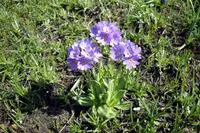
Plants form low rosettes of bright green leaves with short stems topped by clusters of lilac to pink flowers with a yellow eye. The compact size and slow, clumping habit make it suitable for rock gardens and troughs.

This species prefers cool conditions, constant moisture, and humus-rich, sharply draining soil, which can be challenging to provide in warm climates. Gardeners who care for Bird's Eye Primrose usually succeed in cooler regions or in carefully controlled spots.


Main Plant Requirements

Care Difficulty

Moderate Care

Light Preference

Partial Shade

Water Requirements

Keep Soil Moist

Temperature Preference

Cold Hardy

Hardiness Zone

2–6

Soil Texture

Loamy, Silty, Organic-rich

Soil pH

Acidic (5.5–6.5)

Soil Drainage

Moist but well-drained

Fertilization

Minimal (feed rarely)

Get Personalized Care Plan

Scan your plant to receive care tips personalized for your specific plant

Available on iOS and Android

How to Care for the Bird's Eye Primrose

Primula algida prefers bright, cool conditions that mimic open alpine habitats.

  • Provide 3–5 hours of gentle morning sun with light or dappled shade for the rest of the day, especially in warmer regions.
  • Avoid strong midday and afternoon sun, which can scorch leaves and dry the soil too fast; use taller plants or shade cloth to filter light if needed.
  • In early spring and late fall, allow more open sun, but in summer give Bird's Eye Primrose partial shade to prevent stress and leaf scorch.

Primula algida needs consistently moist but not waterlogged soil to stay healthy.

  • Water when the top 2–3 cm of soil feels slightly dry, aiming to keep the root zone evenly damp rather than wet or soggy.
  • Ensure sharp drainage with gritty, humus-rich soil so excess water runs off; yellowing, limp leaves often signal overwatering and root stress.
  • In cool spring and fall, moisture evaporates slowly, so check by touch before watering; in warmer, windy periods, monitor more often to prevent wilting and crisp leaf edges.

This alpine primrose is strongly cold-tolerant and prefers cool growing temperatures.

  • Optimal growth occurs around 45–60°F (7–16°C), matching cool spring and early summer conditions in its native range.
  • Plants tolerate drops close to 20°F (-6°C) under snow cover or mulch, but repeated freeze–thaw without protection can damage crowns and roots.
  • Heat above 70°F (21°C), especially with strong sun, can cause stress and reduced flowering, so provide extra shade and soil moisture during hot spells.

This alpine primrose prefers moderately moist, cool air rather than high humidity.

  • Aim for 40–60% humidity, which suits most cool, bright outdoor spots and unheated indoor areas.
  • It tolerates slightly drier air if soil moisture is kept steady, but prolonged very dry air can crisp leaf edges.
  • Humidity stress shows as limp, dull leaves and browning margins; cluster pots, use a pebble tray, or humidify a nearby area when caring for Bird's Eye Primrose.

Primula algida performs best in moist, sharply drained, humus-rich soil that mimics alpine slopes.

  • Use a loose mix such as 40% compost, 40% fine bark or leaf mold, and 20% coarse sand or grit to keep roots cool and aerated.
  • Ensure drainage is fast; water should seep through within seconds, never pooling around the crown, which is the stem base.
  • Target a slightly acidic to neutral pH around 6.0–7.0, avoiding strongly alkaline or saline substrates that restrict nutrient uptake.
  • Avoid heavy clay, peat-only mixes, or compacted beds; incorporate grit and organic matter thoroughly to improve structure and oxygen flow around roots.

This species can grow well in containers, especially cool, shallow troughs and pots that mimic alpine conditions.

  • Choose a broad, relatively shallow pot so the fibrous root system spreads laterally without sitting in deep, wet compost.
  • Use a rigid, frost-tolerant material like stoneware or hypertufa to buffer temperature swings and keep the root zone cooler.
  • Fill the bottom 2–3 cm with coarse grit to speed drainage away from the crown and prevent water from lingering at the base.

Primula algida grows in lean, alpine soils and only needs light, targeted feeding during active growth.

  • Apply a weak balanced liquid fertilizer (around 10-10-10) at 1/4–1/2 strength every 4–6 weeks in spring–early summer.
  • Use a thin top-dressing of fine compost around plants instead of heavy granular products.
  • Stop feeding in late summer as growth slows and avoid fertilizer in winter dormancy.
  • Water before and after feeding to limit root burn and maintain even moisture for Bird's Eye Primrose.

Primula algida benefits from light, precise pruning to maintain vigor and flowering.

  • Deadhead spent flower stems in late spring–summer by cutting them at the base to encourage continued blooming.
  • Remove yellowing, dead, or diseased leaves promptly with clean, sharp scissors to limit rot and fungal spread.
  • Thin out crowded rosettes after flowering to improve air flow and reduce moisture-related problems.
  • Avoid heavy cutting; focus on tidying and health rather than reshaping the plant.

This alpine primrose is usually grown in rock gardens or beds, so focus on careful transplanting rather than frequent repotting.

  • Transplant in early spring or early fall when temperatures are cool and soil stays evenly moist.
  • Move plants when growth slows, clumps become crowded, or roots fill and circle a small container.
  • Lift with a wide soil ball, disturb roots as little as possible, and replant at the same depth in gritty, well-drained soil.
  • Water gently after transplanting, then keep soil lightly moist and shaded for 7–10 days to reduce root stress.

Primula algida is commonly propagated by division or seed under cool, moist conditions.

  • Divide mature clumps in early spring or after flowering, keeping several healthy buds and roots on each portion.
  • Sow fresh seed in late summer–fall, using a moist, gritty mix and cool temperatures for better germination.
  • Lightly cover seeds, keep evenly moist, and provide bright, indirect light until seedlings establish.
  • Replant divisions and seedlings into sharply drained soil, shading lightly until new growth appears.

This species is very cold hardy and typically needs little special winter care in the ground.

  • In colder regions, apply a light mulch of fine gravel or leaf mold to buffer freeze–thaw cycles at the root zone.
  • Ensure soil drains well so crowns do not sit in waterlogged conditions that can freeze and damage tissues.
  • For container plants, move pots into a sheltered, unheated area to prevent roots from freezing solid.

Care Tips

Snowmelt irrigation

In late winter or very early spring, apply a slow, deep watering that mimics snowmelt by letting cool water soak through the root zone once, which helps break dormancy and supports strong early growth for Primula algida in cold climates.

Alpine-style mulching

Use a thin, 1–2 cm layer of fine grit or sharp sand around the crown to keep the neck of the plant dry, reduce crown rot, and stabilize soil temperatures in exposed rock garden or trough plantings.

Summer shading screen

In regions with hot summers, set up a temporary shade cloth or use the north side of a larger perennial to shield plants from intense afternoon sun, which reduces stress and prolongs flowering when growing Bird's Eye Primrose.

Snow cover management

In very cold regions, encourage an even snow cover over the planting area by using low windbreaks or placing the plant in a sheltered rock crevice, since stable snow insulation protects crowns from freeze–thaw damage.

Careful division timing

Divide clumps only right after flowering while the soil is cool and moist, and replant divisions at the same depth with crowns just above the surface to minimize transplant shock and maintain long-term clump vigor.

Common Pests and Diseases

Botrytis gray mold

This disease often develops in cool, moist conditions around dense Primula foliage and flower clusters. Symptoms include gray, fuzzy mold on leaves, flower stalks, and fading blooms, followed by soft, rotting tissue.

Solution

Remove and discard all affected leaves and flowers, then thin overcrowded plants to improve airflow and reduce surface moisture. Water at soil level in the morning, keep foliage as dry as possible, and in persistent cases use a fungicide labeled for Botrytis on ornamentals, following all label directions.

Powdery mildew

This disease appears during cool, humid periods with poor air circulation, forming white, powdery patches on leaves and sometimes on flower stems. Symptoms include leaf distortion, yellowing, and a general decline in vigor if left unmanaged.

Solution

Remove heavily infected leaves and increase spacing and air movement around plants, avoiding overhead watering. If needed, apply a sulfur or potassium bicarbonate fungicide labeled for powdery mildew on ornamentals, starting at the first signs of infection.

Aphids

These insects gather on young Primula leaves, buds, and flower stalks, feeding on sap and excreting sticky honeydew. Symptoms include curled or distorted growth, sticky residue, and sometimes sooty black mold growing on the honeydew.

Solution

Wash colonies off with a firm stream of water and pinch off heavily infested shoot tips. For ongoing problems, introduce or encourage natural predators like lady beetles, or use an insecticidal soap or horticultural oil, ensuring thorough coverage of leaf undersides and young growth.

Slugs and snails

This pest group is attracted to the cool, moist sites where Primula algida is often grown, especially in rock gardens and alpine beds. Symptoms include irregular holes in leaves, shredded edges, and slime trails on soil or foliage, often appearing overnight.

Solution

Hand-pick slugs and snails in the evening, and reduce hiding places such as dense debris and boards around plants. Use barriers like copper tape or sharp grit, and where necessary apply iron phosphate slug bait according to label directions, placed away from children and pets.

Leaf spot (Alternaria/Cercospora)

This disease causes small, dark, often circular spots on leaves that may develop pale centers and yellow halos, especially in prolonged damp weather. Symptoms include premature leaf drop and gradual thinning of the plant canopy if infections are repeated.

Solution

Remove and dispose of spotted leaves promptly and avoid wetting the foliage when watering. Improve drainage and spacing, rotate plantings if outbreaks recur, and in severe or repeated cases apply a preventive ornamental leaf spot fungicide at the start of cool, wet periods as part of broader Primula algida plant care.

Interesting Facts

High Arctic specialist

This species is native to high Arctic and subalpine zones across northern Eurasia, often growing on wind-exposed tundra slopes, moist rocky ledges, and snowbed margins where only a short, cool summer is available for growth and flowering.

Snowmelt timing strategy

Populations often occur near late-lying snow patches, taking advantage of cold but moisture-rich soils released by melting snow, which helps the plants complete their life cycle quickly before the next winter.

Compact rosette morphology

The plant forms low, tight leaf rosettes with short flower stalks, a growth form that reduces exposure to strong winds and cold in its harsh native habitats and helps retain a slightly warmer boundary layer of air around the foliage.

Botan icon

Did you know?

In parts of its range, this species contributes to early-season nectar resources for cold-adapted pollinators such as high-latitude bumblebees and flies, playing a disproportionate ecological role in very species-poor Arctic and alpine plant communities.

FAQs about Bird's Eye Primrose

This species usually blooms in late spring to early summer. Flowering often lasts 3–5 weeks, depending on temperature and soil moisture. Cooler conditions and consistent moisture help the blooms stay colorful a little longer.

Grow Healthy Plants with Botan Care

Keep your plants happy and healthy with plant identification, disease detection, and easy care guidance.

Botan plant care app — identify plants on mobile

Explore More Plants