Stable water depth
Maintain the crown 5–20 cm below the water surface using bricks or aquatic baskets, and adjust the planting height slowly in spring so stems do not weaken from sudden depth changes.

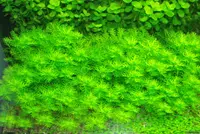
Water violet, Hottonia palustris, is an aquatic perennial often used in garden ponds and naturalistic water features. It forms feathery submerged foliage and sends up delicate pale lilac flower spikes above the water surface.
This species is native to still or slow-moving waters across parts of Europe and western Asia, where it grows in shallow, cool, nutrient-poor conditions. It suits gardeners who want low, decorative vegetation that also provides shelter for aquatic life.
The plant prefers full sun to light shade, clean water, and a silty or sandy base. Once established in suitable water conditions, it is generally undemanding, and learning how to care for water violet mainly involves keeping the water clear and not overly enriched with nutrients.

Care Difficulty
Moderate Care

Light Preference
Partial Sun

Water Requirements
Aquatic

Temperature Preference
Cold Hardy

Hardiness Zone
4–8

Soil Texture
Loamy, Silty, Organic-rich

Soil pH
Acidic (5.5–6.5), Slightly acidic (6.5–7.0)

Soil Drainage
Waterlogged tolerant

Fertilization
Minimal (feed rarely)
Scan your plant to receive care tips personalized for your specific plant
Available on iOS and Android
This aquatic perennial thrives in bright, cool conditions with gentle, indirect sun.
This species is adapted to constant saturation and should not experience drying of its root zone.
This cool-temperate aquatic plant prefers mild conditions and tolerates cold better than heat.
This aquatic species needs consistently saturated conditions rather than typical room humidity management.
Hottonia palustris prefers submerged or saturated, fine-textured, organic-rich substrates that hold water yet allow some oxygen movement.
This species can be grown in containers placed in ponds or water features with careful attention to stability and water depth.
This aquatic perennial benefits from modest feeding in nutrient-poor ponds or containers.
Pruning helps keep Hottonia palustris vigorous, tidy, and flowering well in managed ponds.
This species is usually grown in pond baskets, which benefit from periodic division and transplanting.
New plants are commonly produced from divisions and stem cuttings taken from healthy pond specimens.
In most temperate climates, this hardy aquatic survives winter with minimal intervention if crowns stay submerged.

Plant Health Check
Not sure what's wrong with your plant? Check your plant's health inside the app.
This species produces finely divided, feathery leaves only under water, while the emergent flower stalks carry simple bracts instead of true aerial leaves, showing clear separation between submerged and above-water structures.
It typically flowers in late spring to early summer, sending up tiered whorls of pale lilac to white blooms from still or slow-moving water when many other aquatic species are still in vegetative growth.
Populations are usually found in unpolluted, moderately nutrient-poor ponds, ditches, and slow streams, so its presence can indicate relatively good water quality in lowland wetland systems in Europe.

This species is native to much of central and northern Europe and has declined in parts of its range due to drainage, eutrophication, and habitat modification, so in several countries it is now considered a conservation concern and is monitored as part of wetland protection programs.
Lack of flowers often results from shallow water, poor light, or nutrient imbalance. Ensure stems are submerged, provide bright conditions, and avoid excessive nitrogen fertilizers. Stable, cool water and seasonal temperature changes also support reliable flowering.
Keep your plants happy and healthy with plant identification, disease detection, and easy care guidance.