Early weed control
Suppress competing weeds during the first growing season with shallow hand weeding or a light mulch of clean, coarse sand or fine gravel so the fine roots can establish without disturbance.

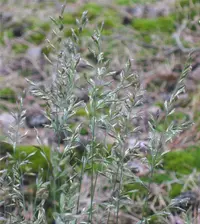
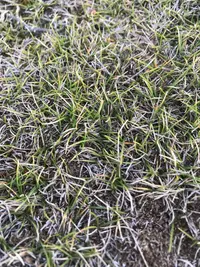
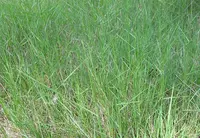
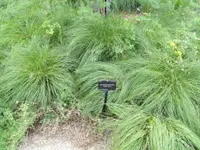
Sheep fescue (Festuca ovina) is a cool-season perennial grass forming dense, fine-textured clumps. It stays relatively low and creates neat, tufted mounds of blue-green to gray-green foliage.
This grass is native to Europe and parts of Asia but is widely used in North America for low-maintenance lawns, meadows, and erosion control. It is valued for good drought tolerance and the ability to grow in poor, sandy, or rocky soils.
Sheep fescue grows slowly, needs little mowing, and competes fairly well with weeds, which makes it easier to manage than many turf grasses. It prefers full sun, well-drained soil, and moderate moisture, which are key points when learning how to care for sheep fescue.

Care Difficulty
Easy Care

Light Preference
Full Sun

Water Requirements
Low Water

Temperature Preference
Cold Hardy

Hardiness Zone
3–9

Soil Texture
Sandy, Loamy, Rocky

Soil pH
Acidic (5.5–6.5), Slightly acidic (6.5–7.0)

Soil Drainage
Well-drained

Fertilization
Minimal (feed rarely)
Scan your plant to receive care tips personalized for your specific plant
Available on iOS and Android
This cool-season grass prefers bright, open conditions for dense, fine-textured growth.
Festuca ovina prefers evenly moist, well-drained soil and is more tolerant of dryness than excess water.
This hardy grass thrives in cool to mild conditions and tolerates a wide temperature range once established.
This cool-season grass prefers relatively dry air and rarely needs special humidity control.
Festuca ovina thrives in lean, well-drained mineral soils rather than rich, heavy substrates.
This species is suitable for container growing when the pot is set up to mimic a dry, free-draining site.
Festuca ovina is adapted to lean soils and generally needs minimal fertilization once established.
Festuca ovina benefits from light, periodic pruning to maintain a dense, tidy mound.
This grass is more often transplanted in the landscape than repotted, as Festuca ovina is usually grown outdoors in clumps or turf.
Festuca ovina is most commonly propagated by division or seed to expand plantings or rejuvenate older clumps.
Festuca ovina is a cold-hardy cool-season grass that usually needs little special winter care in most temperate climates.

Plant Health Check
Not sure what's wrong with your plant? Check your plant's health inside the app.
This species forms narrow, thread-like leaves that are tightly rolled, which reduces water loss and helps it tolerate dry, exposed sites in its native grasslands and heathlands.
Sheep fescue grows as dense, tufted clumps rather than spreading aggressively by runners, so it often creates small hummocks that increase microhabitat diversity for insects and soil organisms.
It thrives on low-fertility, often acidic or rocky soils where many other grasses decline, which is why it is frequently used in low-input lawns, erosion control, and ecological restoration projects.

Sheep fescue has been used as a model species in grassland ecology research, helping scientists understand plant competition, grazing impacts, and how grassland communities respond to climate and soil changes.
Brown tips or patches usually come from drought stress, excessive heat, or compacted soil. Dog urine and high foot traffic also scorch foliage. Lightly irrigate in dry spells, reduce wear, and trim damaged clumps to encourage fresh growth.
Keep your plants happy and healthy with plant identification, disease detection, and easy care guidance.