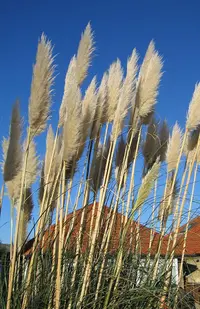
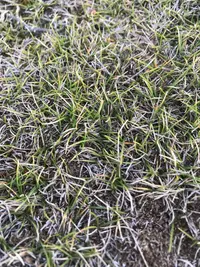
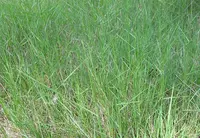
slender false brome Care (Brachypodium sylvaticum)

Also known as: false broom, False-brome
slender false brome

About slender false brome

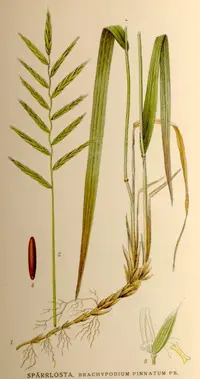
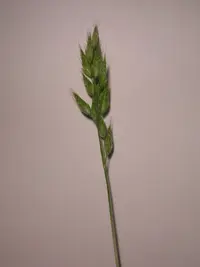
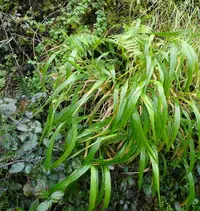
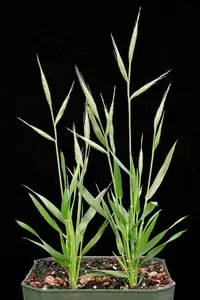
Slender false brome (Brachypodium sylvaticum) is a cool-season perennial grass with arching, loose clumps and narrow, bright green leaves. It often forms soft, fountain-like tufts that move easily in the wind.

In nature, it occurs in woodlands, forest edges, and shaded slopes across Europe and parts of western Asia, and is naturalized in some North American regions. It tolerates shade, uneven moisture, and a range of soils, which makes it relatively easy to establish.

Its ability to self-seed and spread is a key trait, so it can become invasive in suitable climates if not monitored. Gardeners who want to know how to care for slender false brome should focus on controlled placement and regular observation of spread.

Main Plant Requirements

Care Difficulty

Easy Care

Light Preference

Partial Shade

Water Requirements

Moderate Water

Temperature Preference

Cold Hardy

Hardiness Zone

4–8

Soil Texture

Loamy, Silty, Organic-rich

Soil pH

Acidic (5.5–6.5), Slightly acidic (6.5–7.0)

Soil Drainage

Moist but well-drained

Fertilization

Minimal (feed rarely)

Get Personalized Care Plan

Scan your plant to receive care tips personalized for your specific plant

Available on iOS and Android

How to Care for the slender false brome

This woodland grass prefers bright, filtered conditions that mimic light under open tree canopies.

  • Provide dappled or light shade with 2–4 hours of gentle morning sun; avoid strong afternoon sun in hot regions to prevent leaf scorch.
  • It tolerates partial shade and can grow with as little as 2–3 hours of indirect light, though denser shade reduces vigor and flowering in slender false brome.
  • In summer, protect from reflected heat near walls or paving, and in winter ensure sites are not in deep, sunless corners for months.

This species prefers evenly moist, but not saturated, soil, especially during active growth.

  • Water when the top 3–5 cm of soil feels slightly dry, aiming for soil that is moist through the root zone but never soggy.
  • Use well-drained soil or a site that does not stay waterlogged; yellowing, limp foliage often indicates overwatering, while browning tips suggest drought stress.
  • Reduce watering in cool autumn and winter conditions, relying more on rainfall, and increase again in late spring as temperatures rise and growth resumes.

This cool-season grass handles a wide range of outdoor temperatures when established.

  • Optimal growth occurs around 55–70°F (13–21°C), when Brachypodium sylvaticum produces the most lush foliage and steady new shoots.
  • Established plants tolerate winter lows near 5–10°F (-15 to -12°C) with mulch, but young plants benefit from protection from severe, exposed frost and drying winds.
  • In summer, it copes with short spells up to about 85–90°F (29–32°C) if soil remains moist; prolonged heat and drought can cause leaf browning and dormancy.

This grass handles a broad humidity range and usually does not need special humidity management outdoors.

This woodland grass prefers moist, well-drained, humus-rich soil that stays evenly damp but not waterlogged.

  • Use a loamy soil with plenty of organic matter, such as garden loam blended with leaf mold or compost, to mimic a woodland floor.
  • Ensure free drainage; soil should feel moist after watering but excess water must drain away within minutes, not sit around the roots.
  • Aim for slightly acidic to neutral pH around 6.0–7.0, avoiding highly alkaline or strongly acidic conditions that restrict nutrient uptake.
  • Improve aeration and structure in heavier clay by mixing in coarse sand or fine gravel plus compost, avoiding compacted or puddling sites.

This species can be grown in containers if the pot and substrate support its fibrous, spreading root system.

  • Choose a deep, heavy container to keep the clump stable as foliage mass increases and to reduce tipping in wind-exposed spots.
  • Use a free-draining potting mix and line the base with a thin layer of coarse grit so water exits quickly through drainage holes.
  • Position the container where runoff cannot pool under it to prevent roots sitting in residual water that seeps back into the pot.

This woodland grass, often known as slender false brome, needs only modest feeding in average garden soil.

  • Use a light top-dressing of compost or leaf mold in early spring to support steady growth.
  • In poor soils, apply a balanced slow-release fertilizer (around 10-10-10) once in spring at half label rate.
  • Avoid midsummer and late-fall feeding to prevent weak, lush growth before cold weather.
  • Container plants may need a half-strength balanced liquid feed every 4–6 weeks in active growth only.

Pruning Brachypodium sylvaticum is mainly about light grooming to keep the clump tidy and healthy.

  • Cut back dead or winter-damaged foliage in late winter or very early spring before new shoots emerge.
  • Shear back untidy or flopping stems by up to one-third to maintain a compact, arching form.
  • Remove crowded or congested shoots at the base with clean hand shears to improve air flow.
  • Deadhead spent flowering stems if self-seeding is not desired, cutting them close to the base.

Transplanting this woodland grass focuses on managing spreading clumps rather than frequent container repotting.

  • Look for crowded clumps, dieback in the center, or slow vigor as signs it needs lifting and dividing.
  • Transplant or divide in early spring or early fall, when temperatures are mild and soil is moist.
  • Plan on lifting and thinning every 3–4 years in beds or naturalistic plantings to prevent excessive spread.
  • Dig widely around the root zone, keep roots shaded and moist, then replant divisions promptly and water well.

Brachypodium sylvaticum is commonly propagated by division or seed under simple outdoor conditions.

  • Divide established clumps in early spring or early fall, replanting firm, rooted sections immediately.
  • Sow ripe seeds outdoors in fall, allowing natural winter cold to break dormancy and improve germination.
  • For indoor seed starting, provide 4–6 weeks of cold stratification at 35–40°F before moving to 60–68°F light.
  • Keep new divisions and seedlings evenly moist, not waterlogged, until roots anchor and new growth appears.

This grass is generally cold hardy in temperate climates and needs only minimal winter attention.

  • Leave most foliage standing over winter to shelter the crown and provide some insulation.
  • In colder regions, apply a thin mulch layer around the base after the ground cools but before hard freeze.
  • For container plants in zones colder than the planting recommendation, move pots into a sheltered, unheated space.

Care Tips

Containment edging

Install a shallow root barrier or mow a narrow strip around plantings 2–3 times per season to prevent this grass from creeping into beds or natural areas.

Seed head management

Shear or rake off seed heads just as they finish flowering if you want to limit self-seeding, then remove the debris from the site rather than mulching it in place.

Divide for vigor

Lift and split older clumps every 3–4 years in early spring, replanting only the healthiest outer sections to maintain strong growth and reduce thatch buildup.

Targeted weed suppression

Use a 5–7 cm layer of coarse organic mulch between clumps to suppress competing weeds while still allowing the basal shoots of this grass to emerge freely.

Monitor spread annually

Map or photograph the planting edge once a year and remove any outlying seedlings promptly, which simplifies caring for slender false brome in mixed borders and naturalized areas.

Common Pests and Diseases

Leaf spot fungi

This disease causes small tan to brown lesions on leaves that can merge into larger dead patches, especially in dense, moist stands. Symptoms include premature browning and thinning of foliage in mid to late season.

Solution

Remove and destroy heavily spotted foliage and any dense thatch to reduce inoculum. Improve air circulation, avoid overhead watering, and if problems persist in high-value plantings, use a registered fungicide labeled for leaf spots on ornamental grasses, following label directions carefully.

Powdery mildew

This disease appears as a white to gray powdery coating on leaves and stems, often in shaded, humid sites. Symptoms include reduced vigor and distorted or stunted new growth when infections are heavy.

Solution

Increase sun exposure and airflow where possible, thin or divide crowded clumps, and remove badly affected leaves. In persistent cases, apply a sulfur or potassium bicarbonate fungicide labeled for ornamental grasses, ensuring thorough coverage of both leaf surfaces.

Rust

This disease produces orange to brown powdery pustules on leaf surfaces that can rub off on fingers, followed by yellowing and early leaf drop. Symptoms include a generally weakened plant and reduced ornamental quality in late summer to fall.

Solution

Cut back and remove infected foliage at the first sign of pustules and at season’s end to break the disease cycle. Keep plants on the dry side at the leaf surface by watering at soil level, and use a grass-appropriate rust fungicide if the problem recurs and plants are being maintained as ornamentals.

Aphids

These insects cluster on young shoots and undersides of leaves, sucking sap and excreting sticky honeydew that can attract sooty mold. Symptoms include curled or distorted new foliage and reduced growth vigor.

Solution

Rinse colonies from stems and leaves with a firm stream of water and encourage natural predators such as lady beetles by avoiding broad-spectrum insecticides. For persistent infestations, use insecticidal soap or a light horticultural oil, applied in the early morning and repeated as needed.

Grass-feeding caterpillars

This pest group includes larvae that chew elongated notches or ragged edges into leaves and, in high numbers, can skeletonize foliage. Symptoms include irregular leaf damage and visible green or brown larvae on or near the clump, often hiding during the day.

Solution

Handpick and remove visible larvae where practical and reduce nearby weedy grasses that shelter them. For heavier damage, apply a biological control such as Bacillus thuringiensis var. kurstaki (Bt) in the evening, coating foliage thoroughly so feeding caterpillars ingest it while growing slender false brome in ornamental plantings.

Interesting Facts

Model grass species

This woodland grass is a widely used model organism in plant biology because it has a small genome, short life cycle, and is easy to grow in controlled conditions, making it useful for studying grass evolution and genetics.

Shade-tolerant woodland grass

In its native European range, it thrives on the floor of deciduous forests, showing high tolerance to shade compared with many other grasses and often forming loose, persistent tufts under tree canopies.

Problematic invasive grass

Outside its native range, including parts of the Pacific Northwest in the United States, it behaves as an invasive species that can outcompete native understory plants, alter forest floor structure, and interfere with tree seedling establishment.

Botan icon

Did you know?

This species can hybridize with certain close relatives within the Brachypodium genus, which has made it especially valuable for comparative genomics studies that explore how grass genomes diversify and adapt to different habitats.

FAQs about slender false brome

This grass spreads by both seed and short rhizomes, forming loose colonies over time. In suitable climates it can self-seed freely and escape garden beds, so monitor seedlings, remove unwanted clumps, and avoid planting near sensitive natural areas.

Grow Healthy Plants with Botan Care

Keep your plants happy and healthy with plant identification, disease detection, and easy care guidance.

Botan plant care app — identify plants on mobile

Explore More Plants