Timed sowing cycles
Sow small batches every 2–3 weeks in spring so flowering and decorative seed heads are staggered, giving a longer display for bouquets and borders.

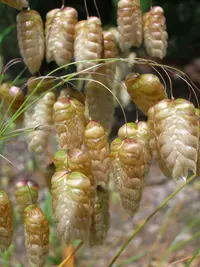
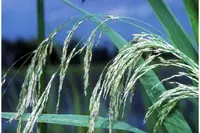
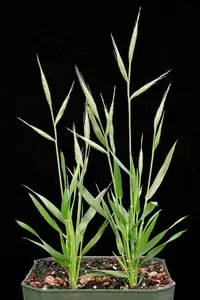
Big quakinggrass (Briza maxima) is an annual ornamental grass grown mainly for its decorative seed heads. It forms loose clumps of slender, upright stems that sway easily in the wind. The plant produces flat, heart-shaped spikelets that dangle on fine stalks, giving a distinctive trembling effect.
Briza maxima is native to the Mediterranean region but is widely grown in temperate gardens and used in dried flower arrangements. It is generally easy to grow, adapting well to sunny, open spots and moderately fertile, well-drained soil. Those who care for big quakinggrass often appreciate its low maintenance needs and good performance in both borders and naturalistic plantings.

Care Difficulty
Easy Care

Light Preference
Full Sun

Water Requirements
Moderate Water

Temperature Preference
Cool Climate

Hardiness Zone
6–9

Soil Texture
Sandy, Loamy, Silty

Soil pH
Slightly acidic (6.5–7.0), Neutral (7.0)

Soil Drainage
Well-drained

Fertilization
Minimal (feed rarely)
Scan your plant to receive care tips personalized for your specific plant
Available on iOS and Android
This cool-season annual grass prefers bright, open conditions to form strong, arching flowering stems.
This grass prefers consistent, lightly moist soil but does not tolerate standing water.
This cool-season grass grows best in mild conditions and declines in strong summer heat.
This grass tolerates a wide humidity range and usually does not need special adjustments in typical home or outdoor conditions.
This annual grass prefers light, free-draining soil that does not stay wet after watering or rain.
This species is suitable for container growing and often performs well in patio pots or balcony boxes.
This annual grass needs only light feeding in average garden soil.
Pruning is mainly used to tidy plants and manage self-seeding.
This annual grass is usually direct-sown, with transplanting done only when necessary.
Briza maxima is most often propagated from seed rather than vegetative methods.
This cool-season annual typically completes its life cycle before winter and needs minimal cold-weather care.

Plant Health Check
Not sure what's wrong with your plant? Check your plant's health inside the app.
The inflated spikelets of Briza maxima contain loose seeds that rattle audibly in the wind, which helps shake out mature seeds and may slightly increase dispersal distance around the parent plant.
This grass is native to Mediterranean regions, where it behaves as a cool-season annual, germinating in mild, moist weather and completing its life cycle before the intense summer heat.
The papery, heart-shaped seed heads keep their structure and pale color when dried, so the species is widely used in floristry as a long-lasting element in dried and preserved arrangements.

In some coastal Mediterranean habitats, large, dense stands of Briza maxima can act as a pioneer cover on disturbed sandy soils, temporarily stabilizing the surface and reducing erosion until longer-lived perennial species establish.
Lack of flowers usually comes from too much shade, excess nitrogen fertilizer, or cutting stems too early. Ensure full sun, modest feeding, and avoid heavy trimming until seed heads form. Stress from drought or poor soil can also reduce blooming.
Keep your plants happy and healthy with plant identification, disease detection, and easy care guidance.